A conditional pardon shouldn’t lead to a conditional resignation
If there is chagrin and dismay and one is unable to appreciate the ecosystem which allows for convictions and subsequent pardons, irrespective of the reasons, then resignation should be immediate.
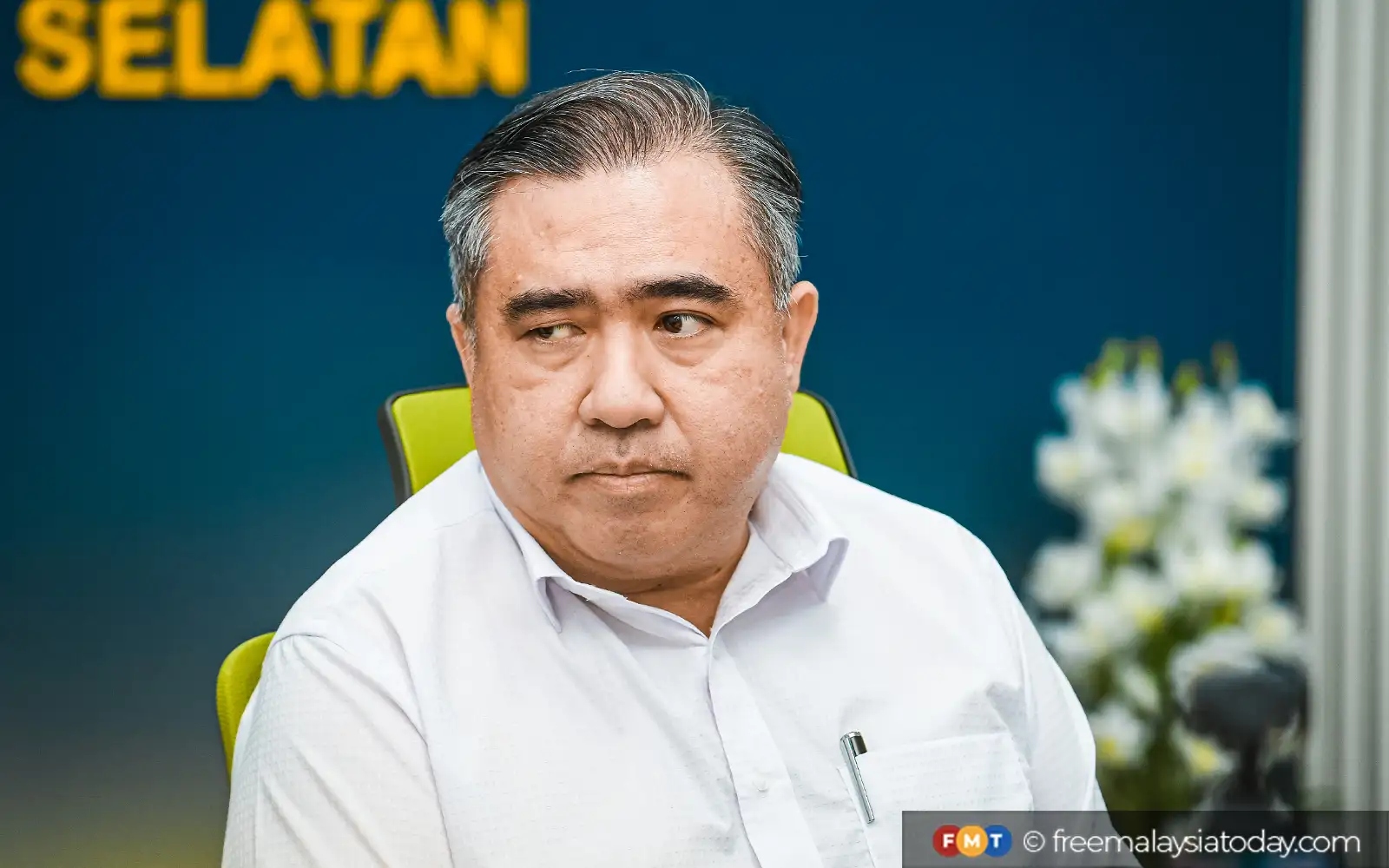
A minister's decision to resign has been questioned due to corruption and theft allegations. However, the focus should be on the broader institutional ecosystem rather than the individual. The Pardons Board, chaired by the monarch, grants pardons to those found guilty, with the monarch having absolute discretion. Section 40A of the Federal Constitution and court rulings on this provision must be considered.
The Pardons Board's politicization is concerning, as it is a matter of public record which political party the minister belongs to. Pressure groups seeking the board's minutes should instead focus on the internal investigation into Azam Baki. The debate on the monarch's obligation to follow the board's advice should not distract from the importance of respecting the institution's role.
A conditional pardon has already been granted, and resignation should be immediate if the minister cannot appreciate the institutional framework. Other groups should find more productive ways to spend their time, especially retired civil servants receiving taxpayer-funded pensions.
Written by urgent.news from Free Malaysia Today's reporting — not their text. Machine-written — may contain errors; check the original before relying on it.
This story
This is one outlet's version. Read the fullest account.
- A conditional pardon shouldn’t lead to a conditional resignation freemalaysiatoday.com