48 hours in Tashkent: How best to explore the Uzbekistan capital
Tashkent, the capital of Uzbekistan and its largest city, has stood at the crossroads of the Silk Road for centuries. It has also been destroyed and rebuilt several times. Once a caravanserai, a roadside inn that offered lodging for merchants primarily along the Silk Road , much of the city was destroyed by Genghis Khan in 1219. Centuries later, in 1966, an earthquake left large parts of Tashkent…
Tashkent, Uzbekistan's capital and largest city, sits at the crossroads of the historic Silk Road. In its centuries-long history, the city has been destroyed and rebuilt multiple times, most notably by Genghis Khan in 1219. Following reconstruction in 1966, Tashkent underwent significant changes, featuring wide avenues, expansive public spaces, and imposing Soviet-era structures.
Today, the city showcases a unique blend of Soviet modernist buildings, Islamic monuments, lush green spaces, and a contemporary identity influenced by creative designers, artists, and hoteliers.
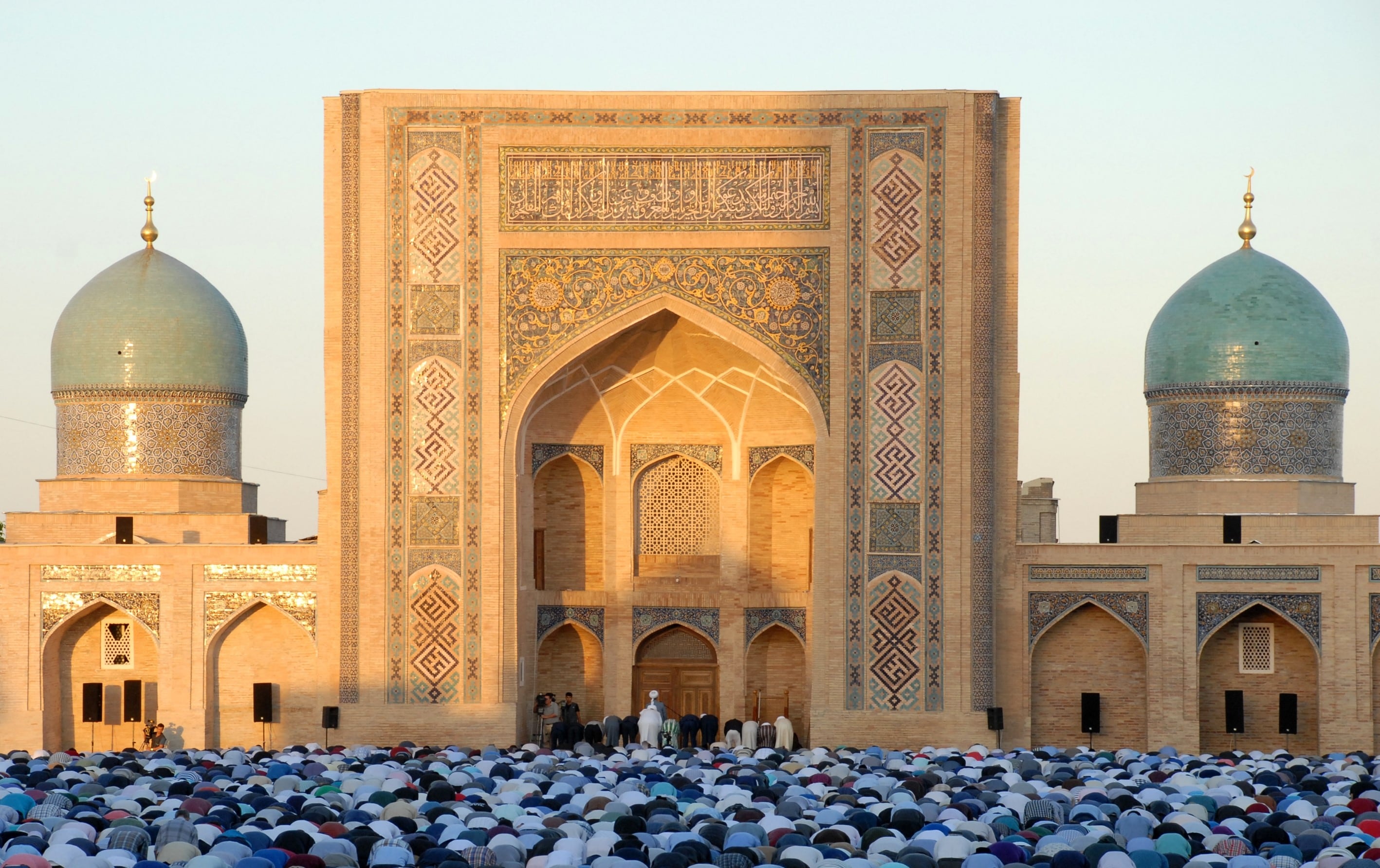
On the first day of a 48-hour itinerary to explore Tashkent, visitors can start their day at the Farovon Tashkent hotel by 9am. A 10-minute walk from the hotel leads to the old part of Tashkent, where one can admire the Hazrati Imam Complex, a 16th-century Islamic shrine featuring turquoise domes, sand-colored brickwork, carved wooden doors, and intricate tile work.
This complex, built around the grave of a revered Islamic scholar, has replaced the modern concrete architecture of the city center. Visitors are advised to dress modestly, particularly women, who must cover their heads when entering religious sites.
After visiting the Hazrati Imam Complex, the next stop is the Centre for Islamic Civilisation, opened in March 2026. This expansive site explores the history of Islamic civilization through faith, science, art, literature, and craftsmanship. Exhibits include early Quranic manuscripts adorned with gold, ceramics, metalwork, calligraphy, and miniature paintings. Open daily from 9am to 10pm, the center charges $25 for foreign visitors.
Around 1pm, a visit to Besh Qozon, a renowned restaurant near the Tashkent Television Tower, allows one to savor the country's popular one-pot rice dish, plov. Prepared in giant kazan cauldrons, plov consists of rice, carrots, onions, chickpeas, meat, and cooked in sheep fat and vegetable oil. The dish is served on plates with a garlic bulb or quail egg on top.
By 3pm, visitors can explore Tashkent's Soviet legacy in its architecture. The city's blend of brutalist forms, grand modernist structures, and Uzbek Islamic motifs, known as Tashkent modernism, is particularly evident in Hotel Uzbekistan, a 15-minute drive away. Established in the 1970s, the hotel's honeycomb-like facade, along with the Tashkent State Circus nearby, exemplifies the era's architectural style.
For a glimpse of contemporary Uzbek fashion and design, a visit to the Teplo shop on Nukus Street is recommended. This concept store and cultural space displays the work of young Uzbek designers alongside traditional crafts, with Uzbek motifs reinterpreted in a modern context on various items such as jackets and dresses.
At 8pm, visitors can enjoy an Uzbek feast at Lali Lali, a new boutique restaurant opened in 2024. Located 15 minutes from the hotel, the restaurant offers a diverse menu that combines old recipes with modern culinary traditions. Situated in azure, blue tones, and local ikat fabric-covered sofas, Lali Lali features an open kitchen and serves iconic dishes such as Samarkand plov, manty with beef, and shashlik.
Written by urgent.news from The National UAE's reporting — not their text. Machine-written — may contain errors; check the original before relying on it.
Also reported by 1 other outlet
- 48 hours in Tashkent: How best to explore the Uzbekistan capital thenationalnews.com