18 Kwangwoon University professors included in World's Top 2% Scientists list
Eighteen professors at Kwangwoon University have been named among the World’s Top 2% Scientists, highlighting the research excellence and international academic influence of the university’s faculty. The World’s Top 2% Scientists list for 2026 was recently released by Stanford University and Elsevier, a global provider of academic information. It evaluates researchers’ scientific impact using…
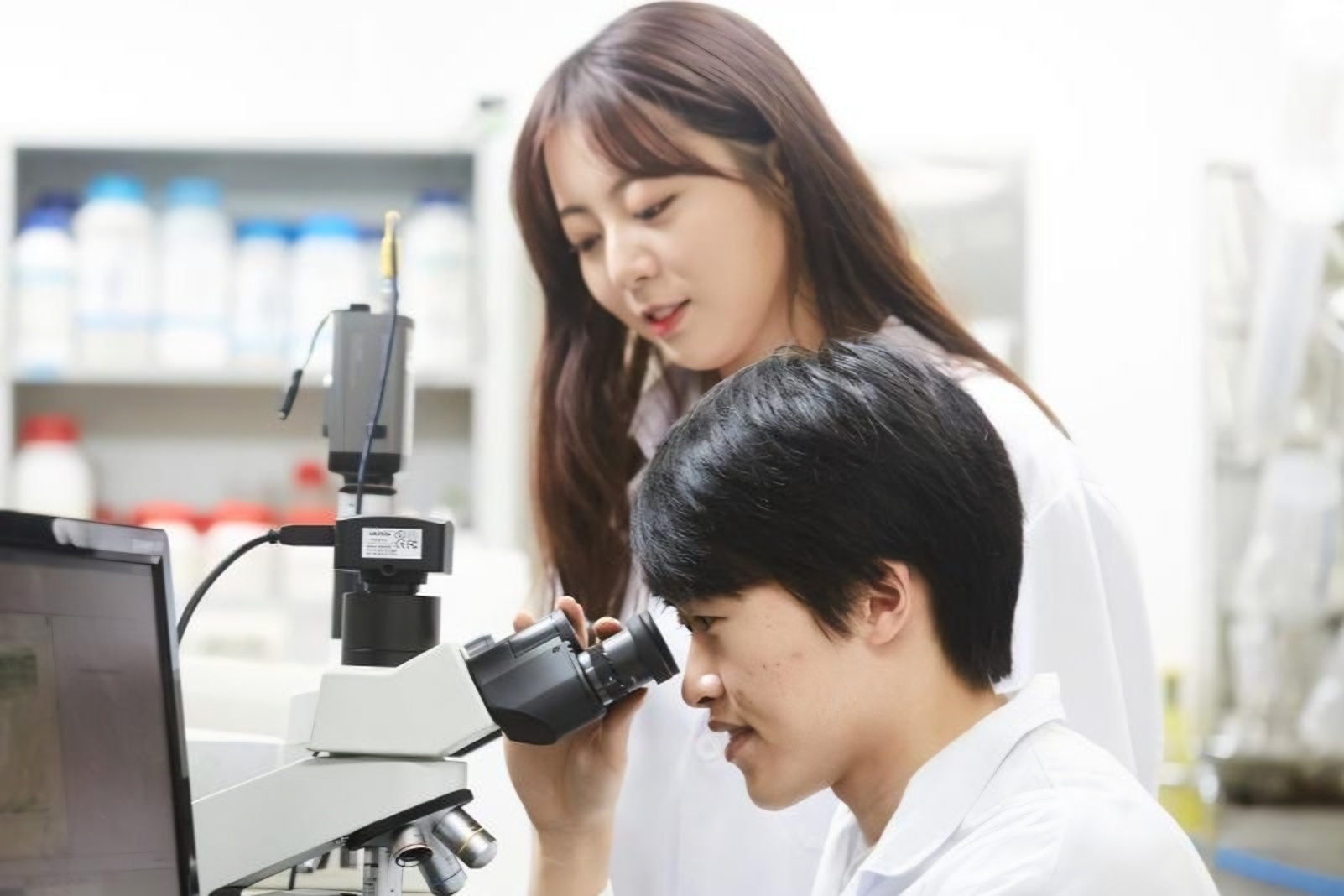
Eighteen professors at Kwangwoon University have been recognized as part of the World's Top 2% Scientists, according to a list recently released by Stanford University and Elsevier. This prestigious ranking highlights the exceptional research excellence and global academic influence of the university's faculty members. The list for 2026 was recently published, utilizing citation data up to the end of 2025 from Elsevier's Scopus database.
The ranking considers two distinct categories: career-long citation impact, which assesses the cumulative impact of a researcher's work throughout their entire career, and single-year scientific impact, which reflects the citation impact during the year 2025. Ten Kwangwoon University professors were included in the career-long category, with their expertise spanning various disciplines including chemical engineering, mathematics, electronics convergence engineering, electronic engineering, and environmental engineering.
Additionally, fourteen professors were recognized for their outstanding single-year scientific impact in 2025.
Written by urgent.news from The Korea Times's reporting — not their text. Machine-written — may contain errors; check the original before relying on it.