Women in power, corruption and the limits of affirmative action
Affirmative action can open the corridors of power to women, but it was never meant to be an immunity card against the corrupting machinery of Indonesian politics.
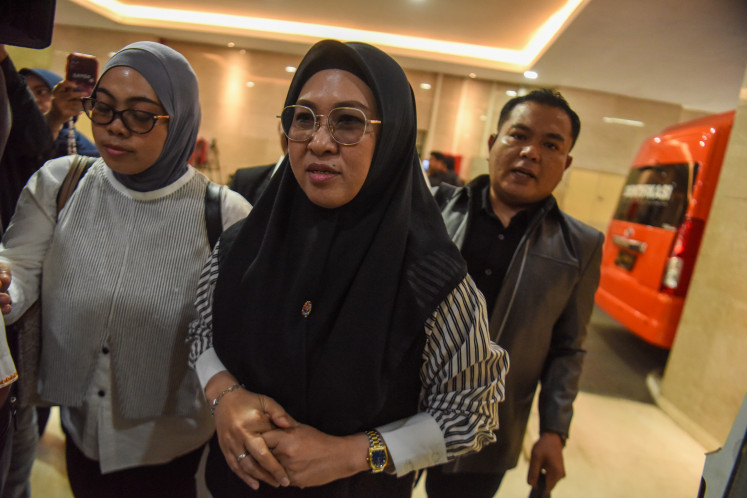
The Indonesian public has recently been shaken by a corruption scandal implicating Sitti Husniah Talenrang, the regent of Gowa in South Sulawesi. Husniah is suspected of involvement in graft and money laundering cases related to building permits and licensing procedures. The case raises important questions about the role of women in power and the limitations of affirmative action in Indonesian politics.
While affirmative action has opened corridors of power to women, it is not an immunity card against the corrupting forces in Indonesian politics. Husniah's case must not be used to question the capacity of women for leadership, but rather to examine whether Indonesia can create a political environment where women enjoy equal access to power while adhering to the same standards of integrity and accountability as their male counterparts.
Despite progress in women's inclusion in national political institutions, regional politics remains heavily male-dominated, with only 10.66 percent of gubernatorial, regent, and mayoral candidates in the 2024 elections being women. Affirmative action remains essential, but it must not be seen as a get-out-of-jail-free card for political leaders.
A female regent, minister, or party leader must face the same anticorruption statutes, conflict of interest scrutiny, and transparency standards as their male counterparts. True equality necessitates both equal opportunity and equal accountability for all political leaders, regardless of gender.
Brief written by urgent.news from The Jakarta Post's own syndicated text. Machine-written — may contain errors; check the original before relying on it.