Will Colombia Limit Cash Payments for Buying Homes and Cars?
Colombia could restrict large cash payments for transactions such as the purchase of homes, cars and land under a new Anti-Terrorism Statute being prepared by the government of President Abelardo De la Espriella. The proposal seeks to strengthen controls over the origin of funds used in high-value transactions as part of a broader strategy to […]
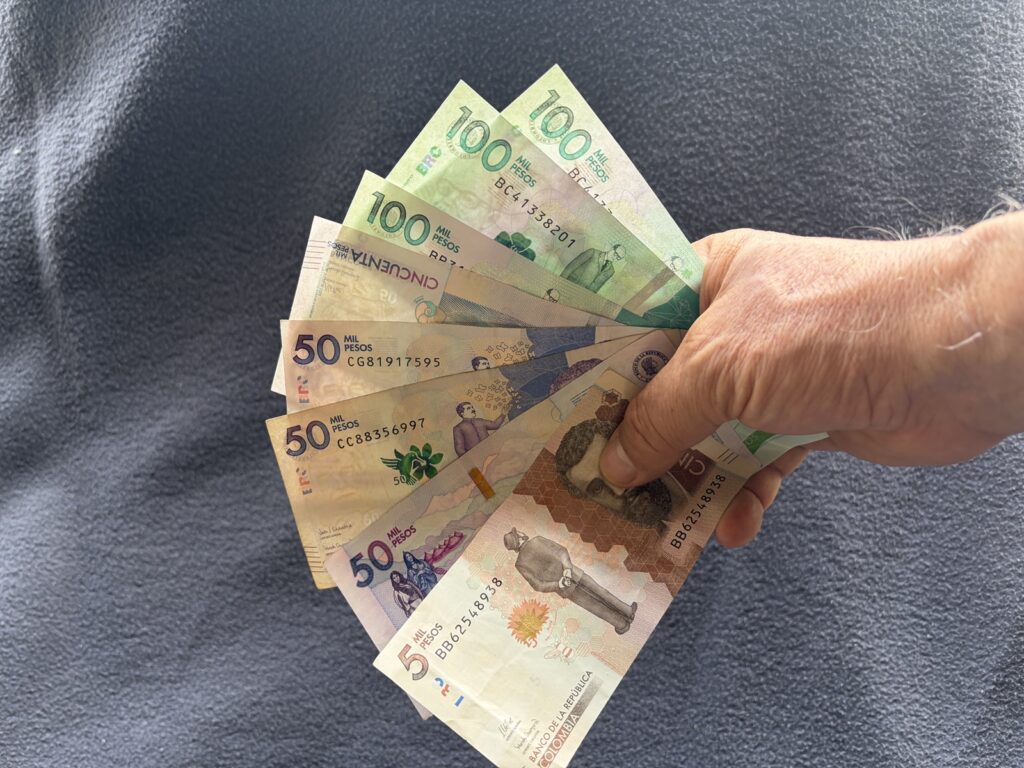
Colombia is considering imposing limits on large cash payments for significant purchases such as homes, cars and land as part of a new Anti-Terrorism Statute being drafted by the government. The proposal aims to enhance controls over the provenance of funds utilized in high-value transactions as part of a broader approach to curb money laundering and terrorist financing.
Trade association Asobancaria, representing Colombia's financial institutions, has expressed support for the initiative, emphasizing the necessity of establishing mechanisms to trace the source of funds in such transactions. However, key details like the specific monetary thresholds, extent of restrictions, and necessary conditions remain undefined, and the measure currently awaits congressional approval before July next year.
Asobancaria President Jonathan Malagon endorsed the proposal, stating that real estate, vehicle, and land purchases should undergo mechanisms enabling the tracing of the involved funds. The financial sector views the proposed limits on cash payments for high-value transactions as a measure to bolster efforts in combating money laundering and terrorist financing.
The Colombian government seeks to impede criminal organizations from channeling illicit proceeds into the formal economy, targeting sources such as drug trafficking and illegal mining. If enacted, the law could necessitate buyers using alternative payment methods, like bank transfers, for transactions above certain limits. This shift could enable authorities to scrutinize transactions more effectively and cross-reference payments with sales records, potentially helping identify suspicious activities and verifying the legitimacy of the funds used.
However, several aspects of the proposed regulation remain unclear, including the exact trigger amount for the restrictions, the specific categories of sales subject to the controls, and the possibility of exemptions for certain transactions. The proposed anti-terrorism measures are part of a larger strategy to enhance the government's ability to tackle criminal organizations' financing networks.
The bill, expected to be presented to Congress by Interior Minister Rodrigo Lara, will undergo legislative review before being fully implemented. While traceability of funds is a crucial step in the fight against money laundering, it does not necessarily confirm the legal origin of the money. Additional controls and investigations may be required to ascertain the source of funds.
As the bill progresses through Congress, Colombians will wait to learn whether cash payments for significant purchases will continue to be an option and what restrictions may apply.
Written by urgent.news from Colombia One's reporting — not their text. Machine-written — may contain errors; check the original before relying on it.