Why your health insurance is dropping GLP-1 coverage
The promise of GLP-1 drugs has always depended on people being able to afford them. These drugs still cost hundreds of dollars per month if you’re paying cash, at which point access becomes a privilege: The higher-income executive who wants to trim a few pounds might be able to afford them either way, but the […]
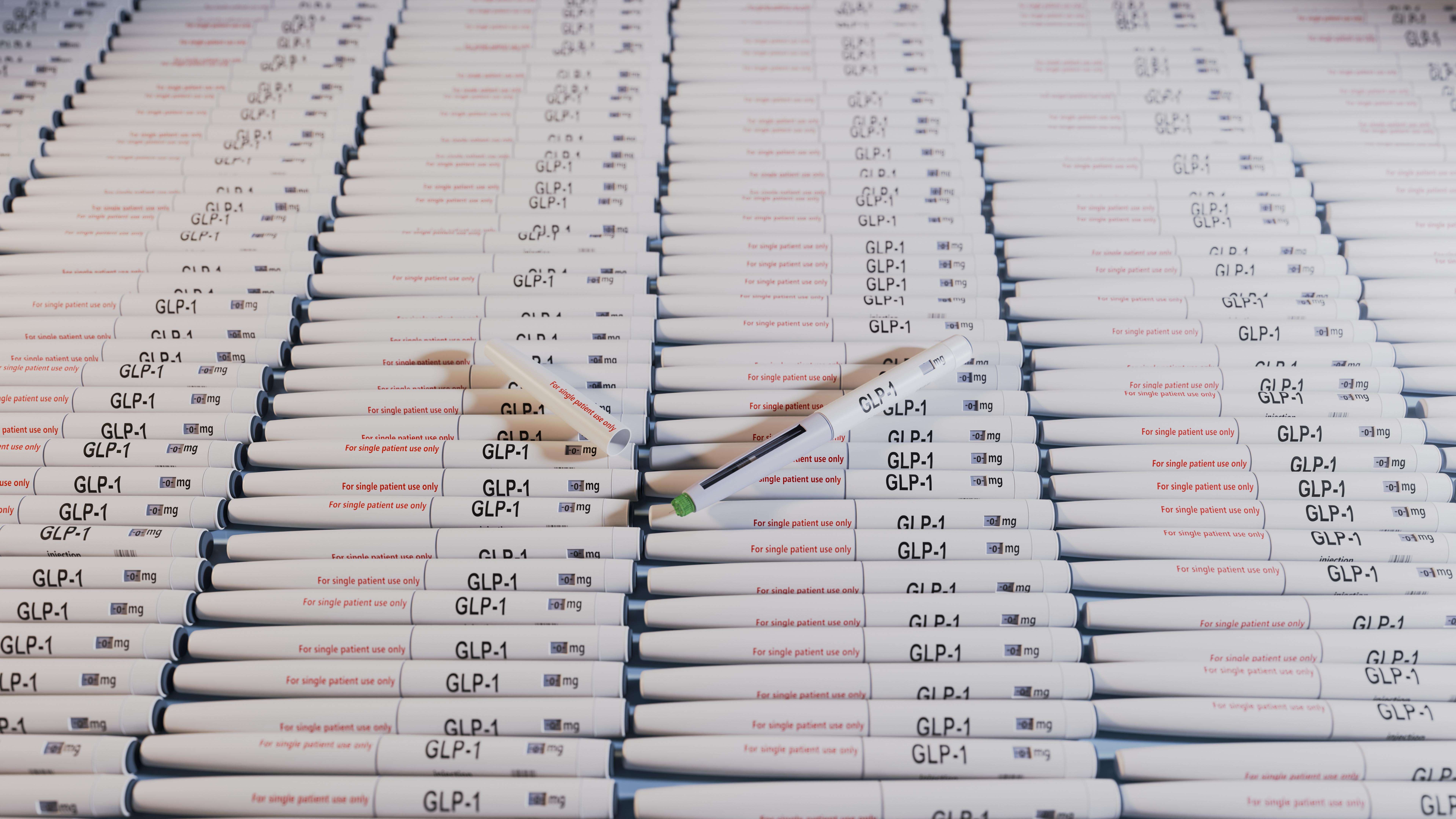
Your health insurance may soon be dropping coverage for GLP-1 drugs, a development with significant implications for your health and finances. GLP-1 medications, which are effective in treating obesity, were once widely covered by private employer health plans, with roughly two-thirds of such plans providing coverage as of 2026. However, recent trends suggest that this coverage is beginning to shrink.
The issue stems from a fundamental flaw in the American healthcare system: insurance coverage is heavily influenced by an employer's finances rather than the long-term health benefits for employees. As people frequently change jobs, employers have little incentive to invest in long-term employee health, even though such investments could yield substantial cost savings down the line by reducing chronic health problems.
The high cost of GLP-1 drugs, around $600 for a 30-day supply, compounds this problem. With a substantial portion of the American adult population suffering from obesity, the potential for widespread use of these drugs could lead to significant healthcare cost increases. To mitigate these costs, employers are increasingly looking for ways to limit GLP-1 coverage, such as raising out-of-pocket expenses for employees or discontinuing coverage altogether.
Major companies like PepsiCo, Starbucks, and Lowe’s have already reported reducing or eliminating their GLP-1 coverage for employees, citing the high costs of these medications. This shift is not only detrimental to the health of millions of Americans but also represents a missed opportunity for significant long-term savings for both individuals and the healthcare system as a whole.
Written by urgent.news from Vox's reporting — not their text. Machine-written — may contain errors; check the original before relying on it.