Why is the haze so bad in Southeast Asia this year?
MONTHS of sustained wildfires in Indonesia have caused a spike in respiratory illnesses and blanketed several Southeast Asian countries in hazardous haze, with Singapore and Malaysia also hit badly over the last week.
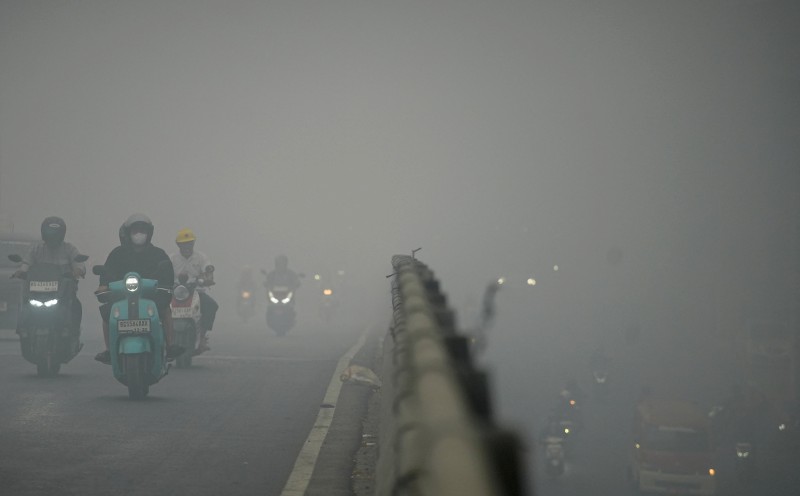
In Southeast Asia, the haze has grown particularly severe this year due to months of relentless wildfires in Indonesia. The resulting air pollution has plagued several countries, including Singapore and Malaysia, over the past week. This has not only exacerbated health concerns but has also ignited political discord, with officials questioning Indonesia's fire management strategies and its hesitance to accept aid from neighboring nations.
The haze originates from forest and peatland fires that are mostly concentrated in the dense forests of Borneo and Sumatra. These regions are particularly susceptible to fires during the dry season, typically from April to October. A powerful super-El Niño weather phenomenon has further aggravated the situation by introducing extreme heat and dryness, which has led to the rapid spread of wildfires.
While official reports on the extent of land damage due to fires were last updated in July, they indicated that approximately 202,000 hectares had been burned. However, independent organizations such as Auriga and Nusantara Atlas have estimated that more than 637,000 and nearly 900,000 hectares, respectively, have been affected from January to August, a staggering nine times the size of Singapore.
Emissions from Indonesia's fires have reached unprecedented levels, representing nearly half of the global total over the past week, as per data from the European Union's Copernicus climate monitoring service. In areas of Borneo and Sumatra, pollution levels have soared above 1,000, with readings of 300 already classified as hazardous. Singapore's air quality reached a new high of 284 micrograms per cubic meter, entering the "very high" range for the first time this year.
The number of respiratory illness cases linked to the fires has skyrocketed to 283,270 in seven Indonesian provinces alone as of October 13, more than double the 113,336 reported in mid-September. Schools in Indonesia, East Timor, and some Malaysian states were compelled to close, while nearly 2,000 flights in Indonesia were impacted between August 11 and October 12.
Indonesia has mobilized over 60,000 personnel to combat the fires and employed around 50 aircraft for water bombing and cloud seeding operations. The government aims to bolster forest ranger presence and restore the degraded peatland ecosystem, which can smolder underground for extended periods at lower temperatures. The authorities have also targeted law-breaking enterprises and restricted fire usage for land clearing. Police have indicted 223 individuals and nine companies for their roles in initiating forest fires.
The international community has been increasingly vocal in demanding that Indonesia take more decisive action to curb the fires. Jakarta's attempts to address the issue have been criticized for falling short. Deforestation for the expansion of crops, primarily palm oil production, has exacerbated the risk of fires by depleting underground water reserves and drying the soil.
Critics have also questioned Jakarta's reluctance to declare the situation a national disaster, which would enable the deployment of resources more swiftly. Indonesian authorities predict that the fires and haze will only be contained when the region experiences consistent rainfall, which is typically expected to begin in October but may be delayed until November.
The effects of El Niño are anticipated to persist until early 2027, but the upcoming rainy season will help mitigate the impact of the fires, according to Indonesia's weather agency.
Written by urgent.news from New Straits Times's reporting — not their text. Machine-written — may contain errors; check the original before relying on it.