Which everyday foods can help keep blood pressure in check?
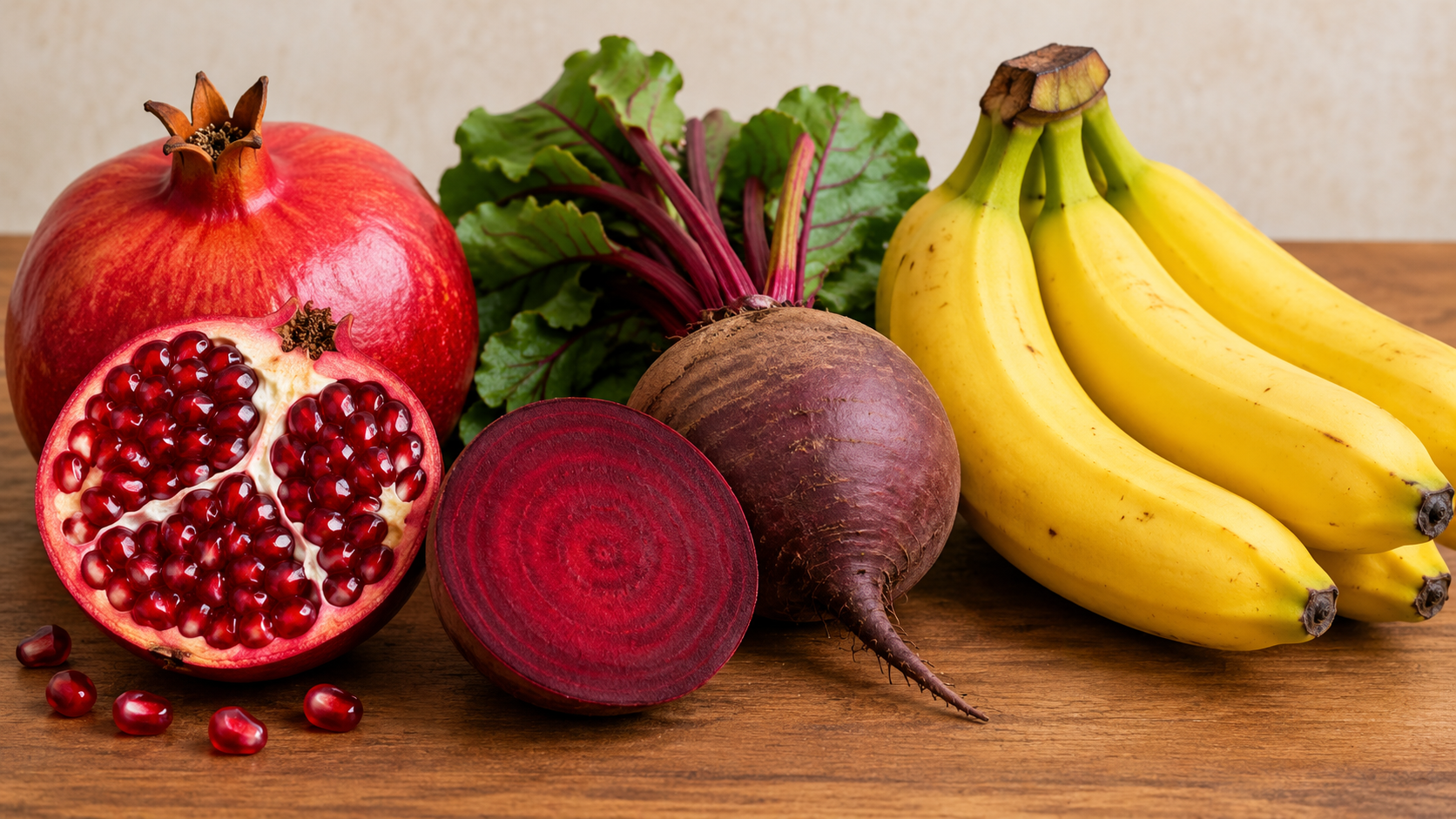
Certain everyday foods can aid in managing blood pressure, but they are not miracle cures. A balanced diet remains the cornerstone. High blood pressure often shows no symptoms, yet it raises the risk of heart disease, stroke, and kidney problems. Medication may still be required.
Pomegranate is rich in antioxidants like polyphenols that protect cells. Some studies suggest pomegranate juice may slightly lower blood pressure, but more research is needed to confirm this. Eating the whole fruit is better than drinking juice because it provides more fibre. Choose unsweetened varieties and limit juice intake to about 150 ml.
Beetroot contains nitrates that convert into nitric oxide, a compound that relaxes and widens blood vessels, improving blood flow. A 2022 study found that nitrate-rich beetroot juice reduced systolic blood pressure by about 5 mmHg, but diastolic pressure was not significantly affected. One small beetroot (75-100g) or about 150-200ml of juice is a reasonable serving. Those with kidney stones should seek dietary advice due to oxalate content. Beetroot should enhance, not replace, existing treatments.
Bananas are a good source of potassium, a mineral that helps regulate fluid balance and counteract sodium's blood pressure-raising effects. One medium banana provides around 400-450mg of potassium. Eating one banana daily contributes to daily potassium intake, especially when combined with vegetables, pulses, and other fruits. However, a banana alone cannot lower blood pressure.
The benefits accrue from an overall healthy dietary pattern. Those with kidney disease or certain medications should consult a doctor before increasing potassium-rich foods. Variety matters more than relying on specific "superfoods".
While pomegranate, beetroot, and bananas can support heart health, none acts as a standalone cure for hypertension. A varied, balanced diet rich in fruits, vegetables, whole grains, pulses, nuts, and low-fat dairy, while limiting excess salt and processed foods, offers greater benefits. Regular physical activity, maintaining a healthy weight, adequate sleep, and limiting alcohol also aid blood pressure management.
Regularly monitor your blood pressure, follow your doctor's advice, and take prescribed medication as directed. Healthy eating complements medical treatment; it does not replace it.
Written by urgent.news from The Indian Express's reporting — not their text. Machine-written — may contain errors; check the original before relying on it.