Where are all the mid-range, affordable cameras?
There’s a big price jump between a Kodak FZ45 or FZ55 and a Canon PowerShot G7 X or Panasonic TZ300. Why have major manufacturers abandoned the middle ground once populated by well specified, affordable cameras? The post Where are all the mid-range, affordable cameras? appeared first on Amateur Photographer .
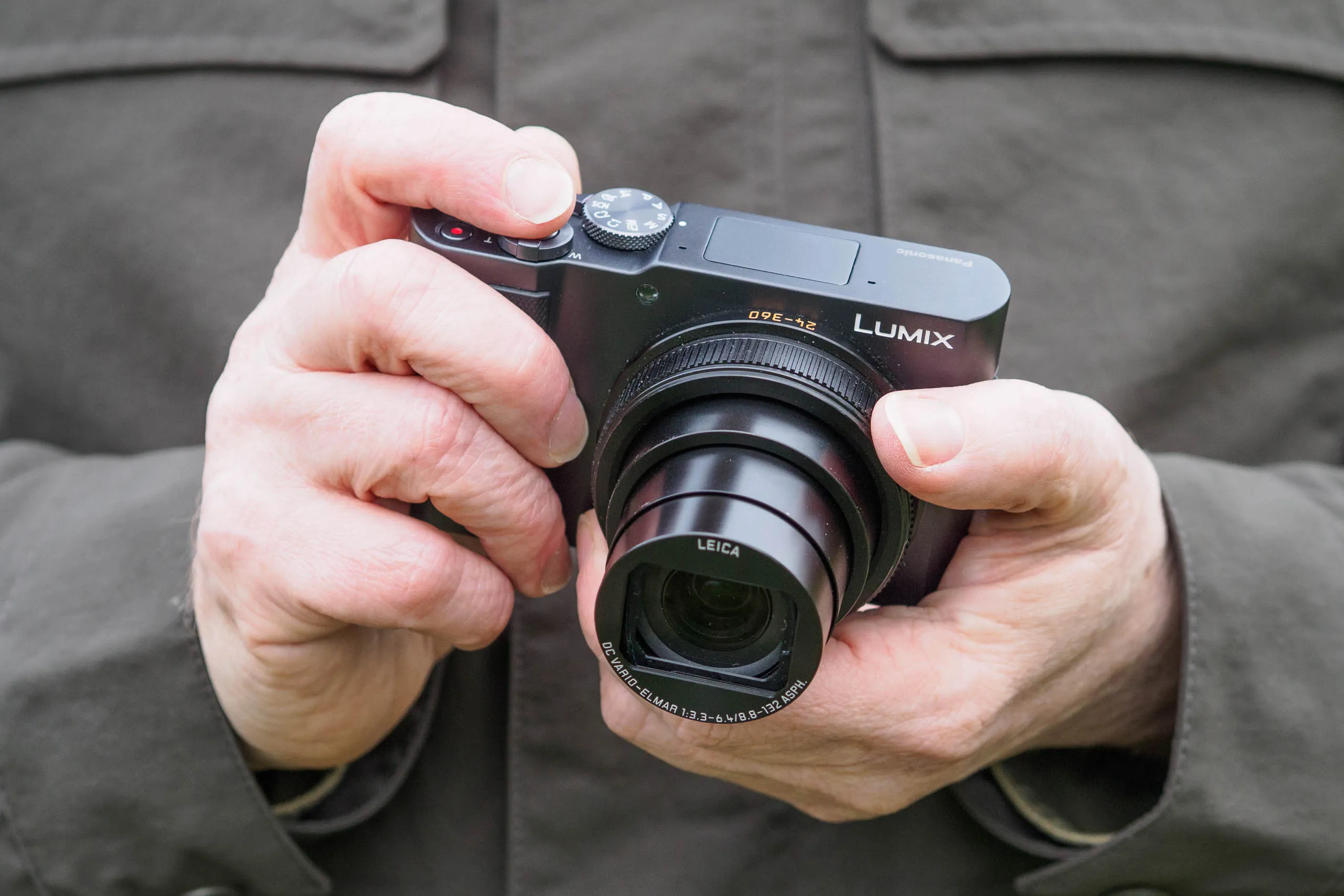
Compact cameras are making a comeback, but there is a significant price gap between budget point-and-shoots and cameras from established heritage brands like Canon and Panasonic. This gap can be as much as $700 / £600, which is the price of an entirely different camera. This lack of mid-range cameras may be due to the decline in compact sales due to smartphones.
Major camera manufacturers have shifted their focus to higher-end, higher-margin cameras. As a result, major brands don't offer budget models anymore, and the current camera market consists of pricing extremes.
At the lower end, there are plastic-bodied cameras with licensed brands and older technology, such as the Kodak Pixpro FZ45 or FZ55, priced around $100-$130. The jump to premium devices with 1-inch sensors, such as the Canon PowerShot G7X III or Panasonic Lumix TZ300, can cost up to $900. There are other mid-range options, but they often feature small sensors, like the retro Yashica FX-D 100 or the Canon IXUS 285 HS. However, the competition between these cameras and smartphones remains unclear.
The issue of smartphones' quality is a concern, as today's budget cameras offer images that are no better and sometimes worse than those produced by average smartphones. However, budget cameras appeal to a younger generation of users, often looking for a "retro" look. Spending $800-$1000 for a premium camera, on the other hand, is a deliberate choice for a larger sensor and better results.
Mid-tier cameras with larger sensors that sit between smartphones and high-end cameras are scarce. The price gap between smartphones and premium compact cameras makes investing in a mid-tier camera questionable. Memory chip shortages and global economic crises have also increased production costs, making it less profitable to produce lower-margin models.
Major brands have avoided losses by not developing mid-tier cameras, leaving the lower end of the market open to third-party licensees with no competition. As a result, consumers face a choice between modestly priced, plastic-bodied cameras with tiny sensors or more expensive enthusiast models with larger sensors. Alternatively, they can stick with their smartphones.
Written by urgent.news from Amateur Photographer's reporting — not their text. Machine-written — may contain errors; check the original before relying on it.