What you need to know about Ebola and the current situation
Following reports of Ebola cases in parts of East Africa and Democratic Republic of Congo (DRC), public concern is growing about how the virus spreads, what symptoms to look for, and what to do after a suspected exposure. Understanding the facts is the first step in protecting yourself and your community. Here is what you need to know. […] The post What you need to know about Ebola and the…
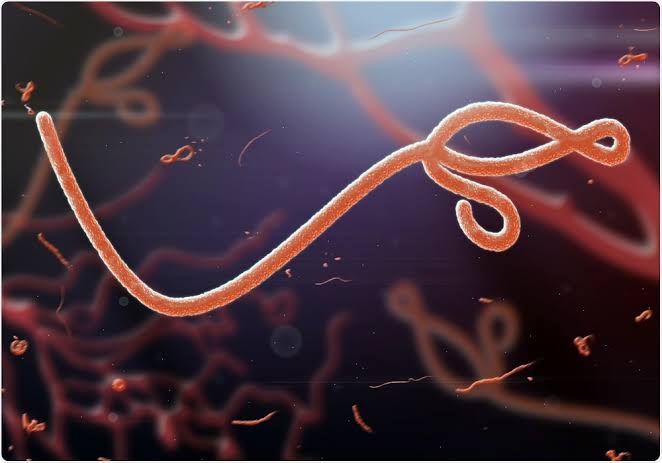
Ebola virus disease (EVD) is a severe illness that emerges when a person contracts the Ebola virus. Originating in bats, the virus occasionally affects humans in West, Central, and East Africa. Infection primarily occurs via direct contact with bodily fluids of an infected individual, such as blood, saliva, vomit, and other fluids.
The virus can also penetrate the body through breaks in skin or through the eyes, nose, or mouth. Indirect transmission can happen through contaminated clothing, unsterilized medical equipment, and handling live or dead wildlife.
Initial symptoms of EVD include fever, weakness, tiredness, and muscle aches, which manifest around 4-10 days after exposure. Three days later, vomiting, diarrhea, and abdominal pain may arise. After one week, infected individuals might experience severe illness with bleeding from various sites, shock, and organ failure.
In East Africa, a current outbreak began in May 2026 in Ituri province, DRC, and has since spread to surrounding areas. Uganda experienced an outbreak in May, with 20 cases and two fatalities, which have since resolved. In contrast, the DRC situation is worsening, with over 8,400 cases reported as of early October and a fatality rate nearing 50%.
Kenya has reported a single confirmed case linked to the regional outbreak, a Kenyan who traveled to Nairobi and died two days later after hospitalization. Quarantine measures are being implemented to prevent further transmission.
Currently, there are no vaccines or treatments specifically developed for the Bundibugyo virus. Previous vaccine trials focused on other Ebola viruses, making it uncertain whether existing vaccines are effective against this strain. A study is underway in Uganda to assess the efficacy of a vaccine candidate. Effective supportive care is crucial, as demonstrated by the lower fatality rate in Uganda (10%) compared to the DRC (50%), likely due to superior supportive care and potential underreporting of cases in the DRC.
If you suspect contact with an Ebola-infected person, contact your healthcare provider by phone to limit exposure and avoid direct hospital visits. Depending on the suspected exposure, quarantine may be recommended or required. If you believe you might have Ebola, contact your healthcare provider initially by phone for evaluation and guidance.
Notify the hospital in advance if hospitalization is necessitated. To prevent contracting the virus, avoid traveling to areas with confirmed cases and refrain from contact with suspected Ebola patients.
Written by urgent.news from KBC's reporting — not their text. Machine-written — may contain errors; check the original before relying on it.