What if reality is a simulated dream?
Can your brain distinguish reality from a dream? Explore the psychology of lucid dreaming, déjà vu, and the possibility of simulated reality.
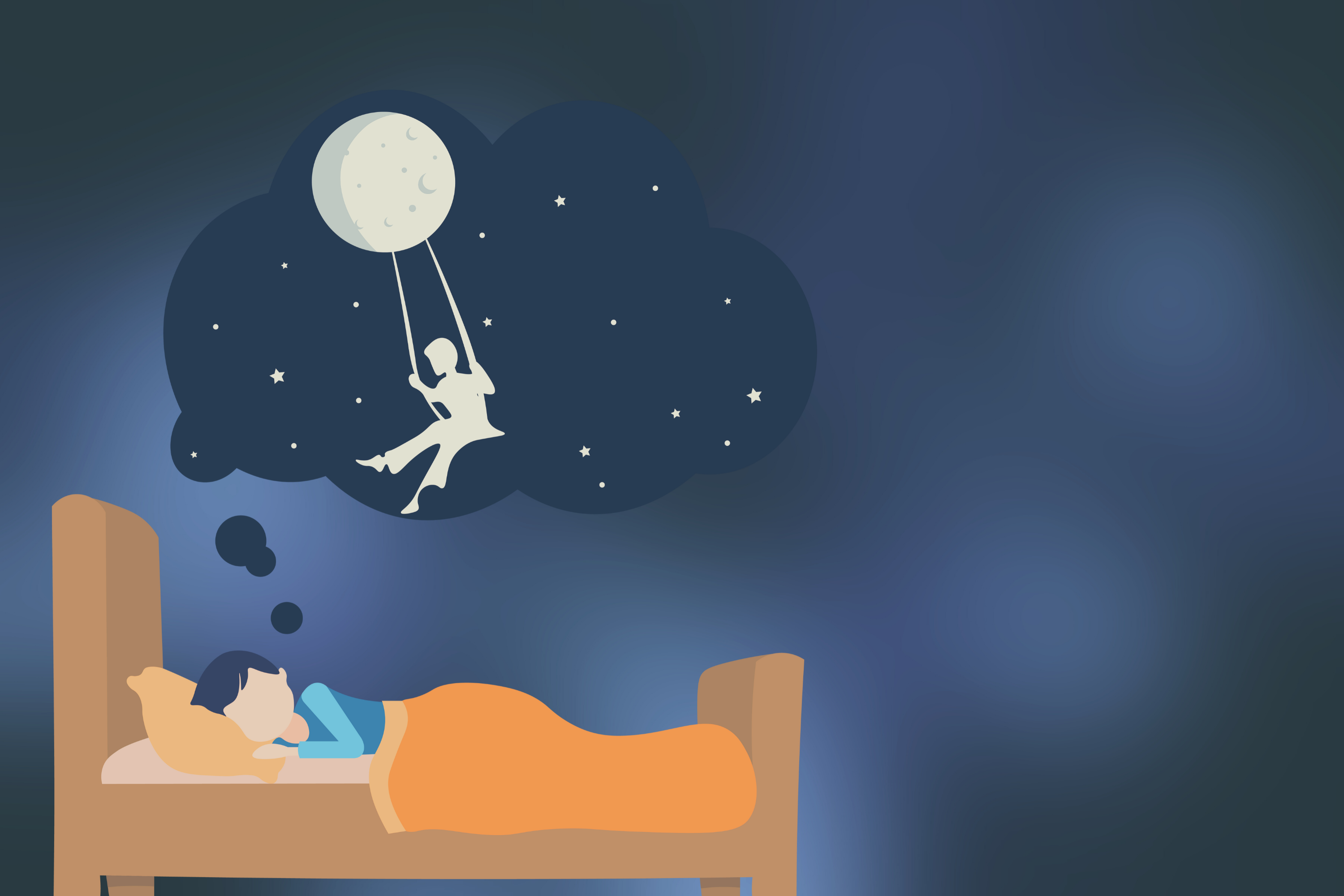
The idea that our reality may be a simulated dream is a thought-provoking concept. When we are in a dream, we are typically unaware that we are dreaming, as our brain focuses solely on the present moment. Occasionally, a fleeting awareness may occur, revealing that we are indeed in a dream. This brief glimpse of consciousness allows us to recognize the abnormality of the situation, but only after we awaken and compare the dream to our known reality.
One key difference between dreams and reality is the ability to lucid dream, where dreamers become conscious of their dream state and can even control it. This phenomenon relies on the sudden realization of the dream through a reality check, a technique that involves periodically questioning the reality of one's surroundings throughout the day. However, lucid dreaming cannot exist without this moment of awareness within the dream itself.
If our reality were a simulation, it raises the question of why there haven't been more individuals who could perceive and manipulate this facade. In the movie "The Matrix," the protagonist Neo experiences a moment of clarity, realizing that "there is no spoon," signifying his understanding that the world around him is not what it seems. This realization is made possible by Neo's knowledge of what reality truly looks like, having gained this context from his previous life within the simulated environment.
Imagine placing a video game character like Mario into the real world. He would struggle to comprehend the difference between his fabricated reality and the mundane world of taxes, biology, and physics. If Mario were to return to his simulated realm, he would possess knowledge that would be incomprehensible within his own reality. This disparity in understanding is also present in our current situation, where we may have difficulty describing a simulated reality if we were to break free from it.
Dreams often contain bizarre and seemingly disconnected elements that defy the boundaries of our perceived reality. This discrepancy between dreams and conscious experiences may be attributed to the brain's detachment from a physical environment during dreaming. When we enter a dream state, our brain silences our body's reactions to prevent injury and maintain our sleep. Occasionally, this detachment can result in sleepwalking, where individuals appear to be conscious yet actively engage with their dream environment.
Deja Vu, a phenomenon characterized by the feeling of having already experienced a current moment, may also be linked to dreams. This intriguing notion suggests that our dreams could have an influence on our waking reality, even if we are not fully aware of it. Deja Vu could be a result of our brain's attempt to reconcile a memory with its familiarity, or it might be a product of our subconscious interpreting dream scenarios as familiar events.
In either case, Deja Vu serves as a reminder that our perception of reality may be more fluid and interconnected than we realize.
Written by urgent.news from HackerNoon's reporting — not their text. Machine-written — may contain errors; check the original before relying on it.