Welttag der Wiederbelebung: Angst vor Fehlern bei Wiederbelebung - Was helfen kann
Eine Herzdruckmassage kann abschrecken – Blut, Ekel und die Angst vor Fehlern spielen eine Rolle. Training und Telefonanleitung sollen Hemmungen abbauen.
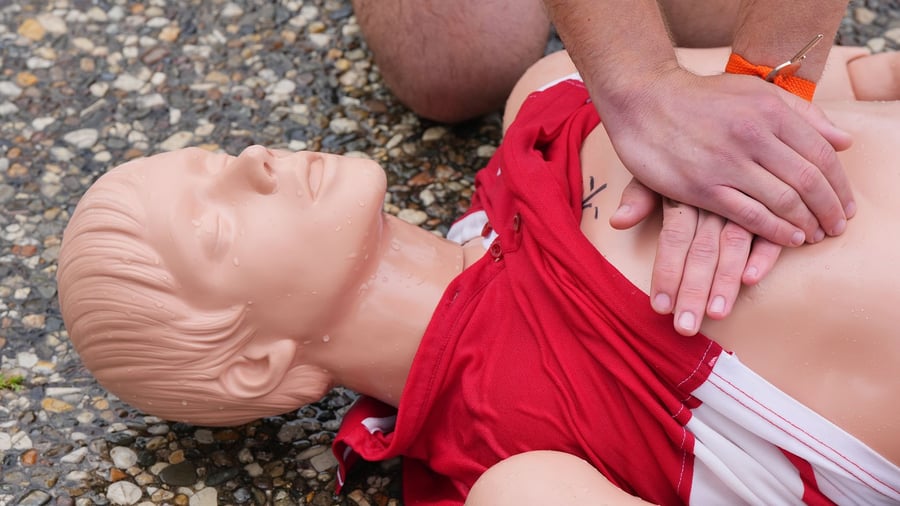
On October 16th, World Day of Resuscitation raises awareness about the fear many people feel when faced with the daunting task of reviving someone who has collapsed. The German Resuscitation Council reports that nearly 70% of resuscitation attempts occur in the home, often due to the common concern of causing more harm. In many cases, laypeople, or "Laien," begin CPR before emergency services arrive, with the German Resuscitation Register stating that 53.5% of cases saw Laien initiate resuscitation in 2025 when the emergency services had not yet arrived.
Jan-Thorsten Gräsner, spokesperson for the German Resuscitation Register, explained that resuscitation can still be improved. Training plays a crucial role, and schools and emergency centers can make a significant difference. One of the key issues hindering immediate action is the fear of making mistakes, with the German Resuscitation Council identifying this as the most frequent reason for not intervening.
To address this, the council recommends teaching resuscitation in schools starting from the seventh grade, with two sessions per year. However, full implementation of this recommendation has not been achieved in all educational systems. Additionally, knowledge can fade over time, necessitating regular refresher courses to maintain proficiency.
Emergency services are another approach, providing step-by-step guidance over the phone. In 2025, 38.4% of cases had telephone support from the emergency services, up from 40.4% in 2024. Moreover, there are around eleven digital emergency responder systems in Germany, including Mobile Rescuers, Region of Lifesavers, and KatRescuers, which can alert helpers via app during a suspected cardiac arrest.
Denmark serves as a prime example of a long-term strategy to strengthen lay assistance, incorporating resuscitation education in schools and a nationwide register of publicly accessible defibrillators. This approach has resulted in a significant increase in the percentage of lay rescuers, from 20% in 2001 to 77% in 2018. Gräsner emphasized the importance of choosing 112 and immediately beginning CPR.
Written by urgent.news from Handelsblatt's reporting — not their text. Machine-written — may contain errors; check the original before relying on it.