‘We cannot wait 75 years’: ANRF CEO Shivkumar Kalyanaraman on scaling India’s research multiplier
To boost India’s R&D spend toward 3% of GDP, ANRF CEO Shivkumar Kalyanaraman revealed a patient-capital architecture combining private investment, open IP licensing, and national mission programmes.
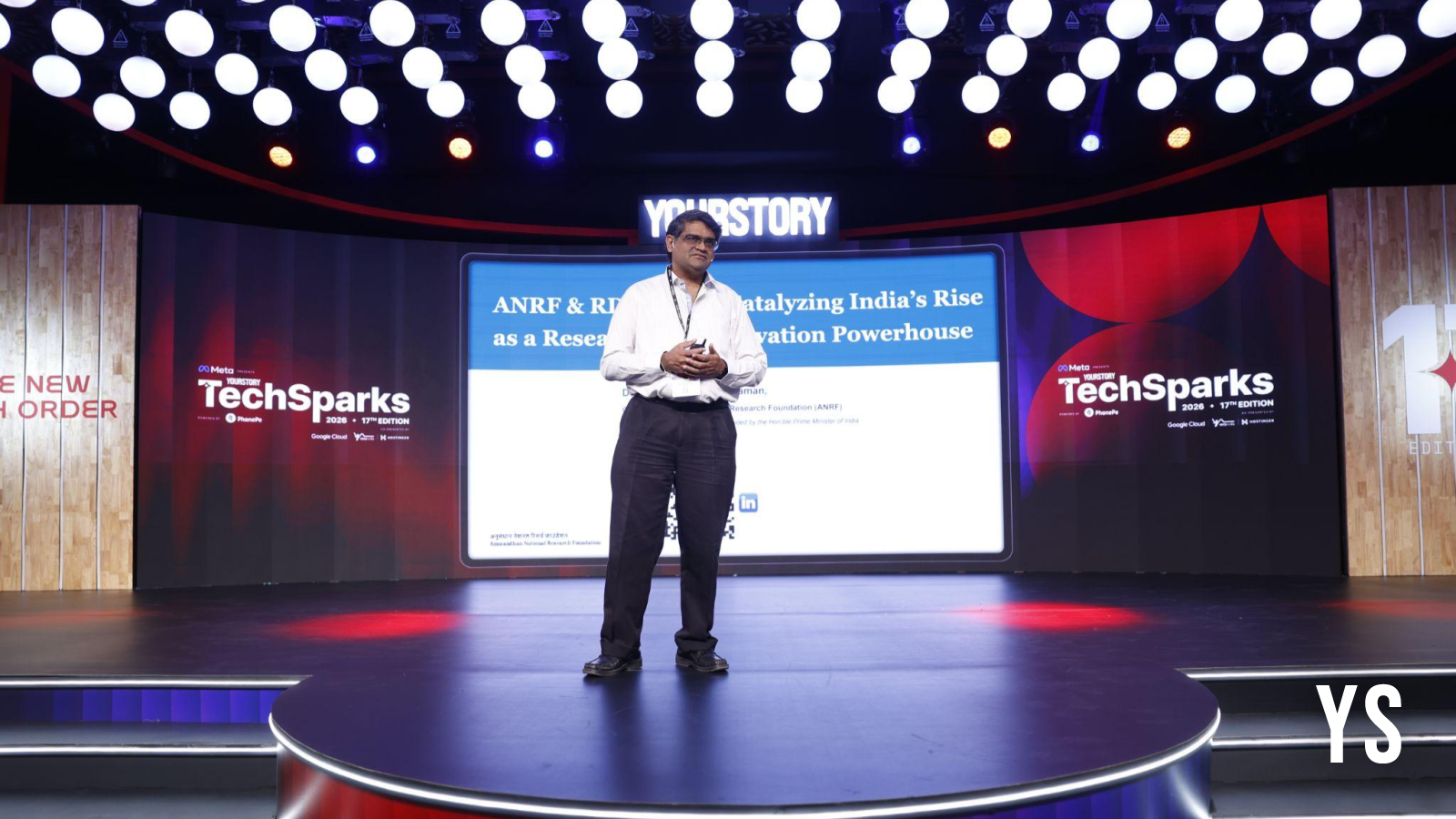
Shivkumar Kalyanaraman, CEO of the Anusandhan National Research Foundation (ANRF), highlighted the urgent need for India to accelerate its scientific research timelines to avoid the 75-year lag faced by Western institutions like the US National Science Foundation or DARPA. Speaking at TechSparks 2026, Kalyanaraman emphasized that ANRF's mission is to bypass bureaucratic hurdles and swiftly translate scientific discoveries into real-world applications.
ANRF operates as an autonomous statutory body, founded by parliament in 2023 as part of the National Education Policy 2020, with the goal of fostering a global innovation powerhouse in India. At the heart of this transformation is the Research, Development, and Innovation fund, a Rs 1 lakh crore patient capital instrument designed to provide long-term financial support to research-intensive and deep-tech enterprises requiring extended development cycles.
Instead of direct funding to individual businesses, ANRF functions as a primary fund manager routing money through secondary fund managers, creating a financial multiplier effect that expands capital reaching real-world technology ventures.
To bolster funding, ANRF aggregates corporate social responsibility grants, diaspora contributions, and global philanthropic partnerships. The foundation aims to increase national research and development expenditure from below 1% of GDP to 3% or more, targeting a compound annual growth rate of 20 to 25%. Kalyanaraman also addressed the disparity in research excellence, noting that India currently has a limited number of elite institutions leading in scientific research.
To address this, ANRF launched the Partnerships for Accelerated Innovation and Research initiative, a hub-and-spoke mentorship model connecting top research universities with regional institutions across the country. This framework ensures that academic research translates into practical benefits and commercialization. To expedite intellectual property transfer from universities to startups, ANRF adopts open licensing models, such as the MIT licence, facilitating rapid adoption of university research by commercial ventures.
Written by urgent.news from YourStory's reporting — not their text. Machine-written — may contain errors; check the original before relying on it.