Wallace & Gromit maker Aardman falls short of return to profit
Animation studio narrows annual loss to £1.1m amid ‘challenging market’ in children’s content Don’t break out the celebratory Wensleydale just yet. Aardman, the British animation studio behind the cheese-loving inventor Wallace and his beloved dog Gromit, has fallen short of a target to get back in the black, its accounts show. The employee-owned business was aiming to record a small profit in…
Aardman, the British animation studio behind Wallace and Gromit, has missed its goal of turning a profit in 2025, its accounts reveal. Despite a 8% increase in revenue to £20.4m, the employee-owned business reported a loss of £1.1m, an improvement from the previous year's £4.1m loss. The company faced production delays and a tough market for children's content, which dented its bottom line.
Aardman, also known for the popular Shaun the Sheep series, attributes the shortfall to some significant deals not coming through and weaker income in certain business areas. The studio remains optimistic, with new projects like a Lightroom exhibition chronicling its 54-year history and a third Shaun the Sheep film set to release.
This month, Gromit will also get a voice, as an audiobook of his autobiography, narrated by Martin Freeman, launches. In 2024, Aardman launched a five-year plan focused on investing in intellectual property and reducing costs. This year, the studio conducted a business review, leading to redundancies and a workforce reduction from 297 to 230 employees.
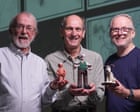
The company also recognizes artificial intelligence as a major risk, emphasizing the need for responsible and ethical use of this technology to support human creativity. Aardman, founded by Peter Lord and David Sproxton in the 1970s, gained prominence with Wallace and Gromit and the beloved character Morph, which they created for the children's show Take Hart.
The studio transitioned to employee ownership in 2018, with Lord and Sproxton handing over majority ownership to the team to preserve their creative independence.
Written by urgent.news from Guardian Business's reporting — not their text. Machine-written — may contain errors; check the original before relying on it.