US Navy could see first VTOL X-BAT UAV 'by end of this month' as external funding reaches $200 million — Shield AI's fighter-sized drone can fly 2000 nautical miles, reach 50,000 feet
Shield AI's X-BAT has secured substantial Navy backing, with prototype completion expected in October 2026 and initial vertical flight tests coming up later.
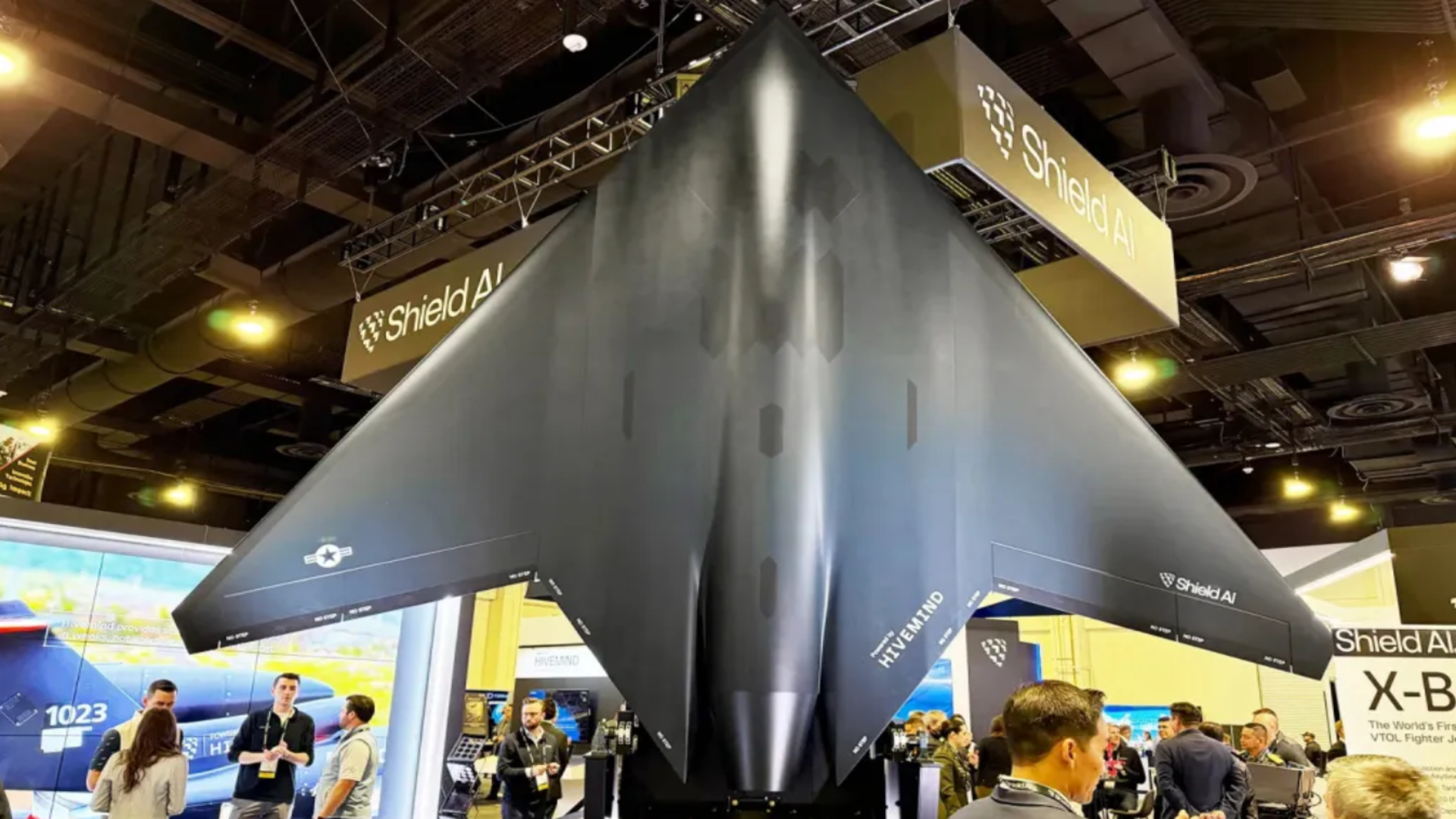
The U.S. Navy is on track to see its first full-scale Vertical Take-Off and Landing (VTOL) X-BAT unmanned combat aircraft by the end of October 2026, following a $200 million investment from Shield AI. The X-BAT is designed to fly 2,000 nautical miles and reach an altitude of 50,000 feet, with a projected combat radius ranging from 1,000 to 1,340 nautical miles.
The aircraft employs a tail-sitting design, enabling vertical takeoff and landing without the need for a conventional runway. Shield AI has already spent the past year conducting various tests, including wind tunnel, engine, and thermal evaluations, to mitigate technical risks before initiating flight demonstrations. The $200 million includes an initial $50 million investment, followed by an additional $150 million from the U.S. Navy, creating a total external funding of $200 million.
The aircraft's design includes internal bays for strike weapons and two hardpoints beneath the wings for additional weapons, drop tanks, or buddy-refuelling equipment. Shield AI anticipates achieving a fully equipped flight-test aircraft in 2028, with early operational capability slated for 2029. The X-BAT is part of the Navy's Runway Independent Maritime Expeditionary Strike initiative, aiming to operate combat aircraft without relying on conventional airfields, potentially expanding access to aircraft from amphibious warfare ships and dispersed land locations.
Written by urgent.news from TechRadar's reporting — not their text. Machine-written — may contain errors; check the original before relying on it.