Unmanned tanks to spearhead combat of future, Russia takes lead with India close behind
Russia has introduced the unmanned Shturm tank, designed for breaching defenses and urban combat. The Indian Army is also converting T-72 tanks into unmanned vehicles using innovative technology. These vehicles will undertake high-risk missions while protecting crew members from threats. Other countries, including China and Australia, are exploring similar advancements in military robotics. This…
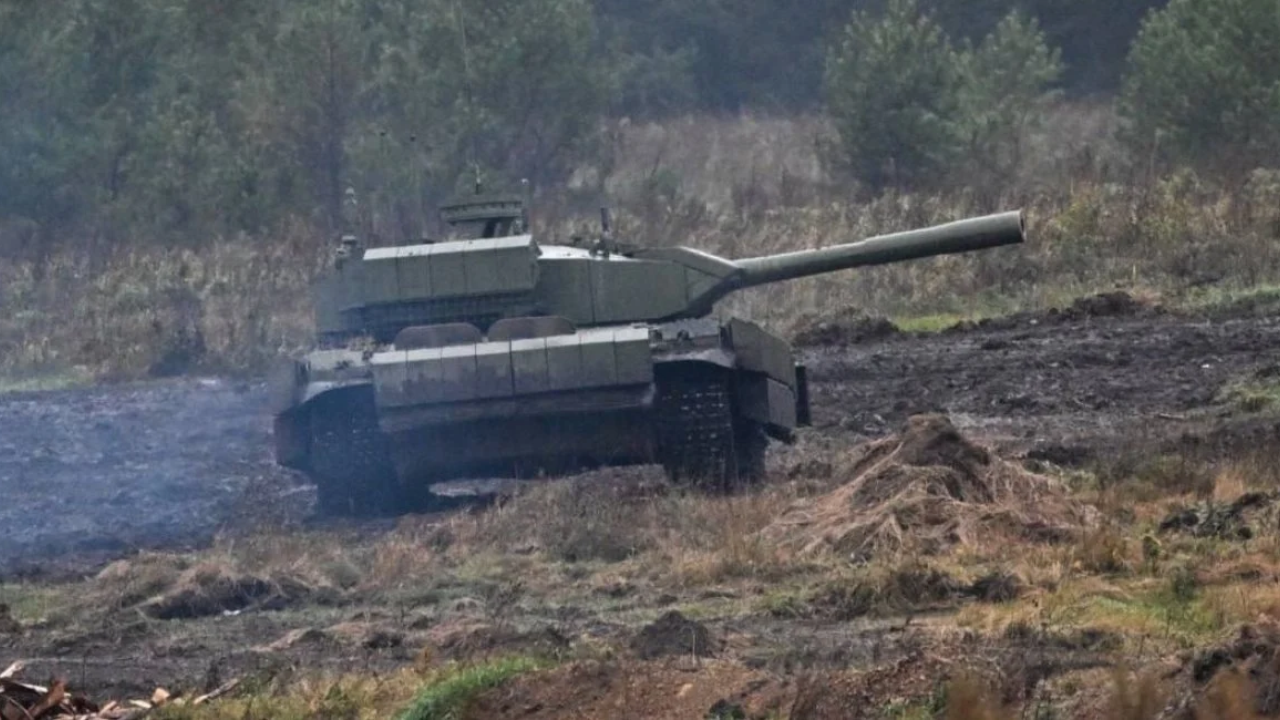
Russia has unveiled an unmanned tank called Shturm, meaning assault, at the Center-2026 military exercise. Shturm is based on the T-72 tank, also used by India's Army in large numbers. The primary purpose of Shturm is to breach fortified defensive lines and operate in urban environments. The development of Shturm began around 15 years ago, and it has now reached an initial operational readiness.
The Shturm system comprises a remotely operated combat vehicle and a separate crewed command vehicle, both built on a T-72 or T-90 chassis. The command vehicle, also known as a mothership tank, houses three operators who remain inside. Both vehicles must maintain a line of sight within a range of 3 to 4 kilometers.
The Shturm main configuration features a shortened 125 mm gun suitable for urban operations, along with a bulldozer blade and additional armor for increased protection against infantry anti-tank weapons. The Indian Army is also pursuing a similar unmanned tank concept, converting T-72 tanks into remotely operated vehicles using IP-based interfaces. This approach aims to operate the vehicles in a manned-unmanned teaming framework, enabling crewed and uncrewed assets to work together and enhance combat power.
The Indian Army plans to use unmanned T-72s for high-risk missions such as breaching minefields, acting as decoys, spearheading assaults, reconnaissance, and patrolling in contested zones. These unmanned tanks will transmit real-time data to command networks while operators and commanders maintain decision authority. By implementing manned-unmanned teaming, the Army anticipates generating combat mass without exposing tank crews to lethal threats, thereby improving survivability, tempo, and operational flexibility.
India's decision to convert the T-72 into an unmanned vehicle is a cost-effective way to extend the tank's operational life. This approach differs from the US and China, who are investing in entirely new platforms. Other militaries, including China and Australia, are also exploring unmanned tank concepts. China's Type 100 Smart Tank integrates AI-driven navigation, lidar, and modular armor, designed to work with other robotic platforms and manned vehicles.
Meanwhile, Australia's ATLAS system demonstrates autonomy ranging from remote control to autonomous navigation, with a turret that automates detection and engagement.
Written by urgent.news from Times of India's reporting — not their text. Machine-written — may contain errors; check the original before relying on it.