Ultra-Processed Food Intake May Not Be Linked to Colorectal Cancer
Researchers found no association between overall intake of ultra-processed foods and colorectal cancer in a large U.S. study. Anastasiia Krivenok/Moment/Getty Images Researchers report that consumption of ultra-processed foods doesn’t necessarily increase a person’s risk of developing colorectal cancer. They note that there is a wide range of foods considered ultra-processed, and each may carry…
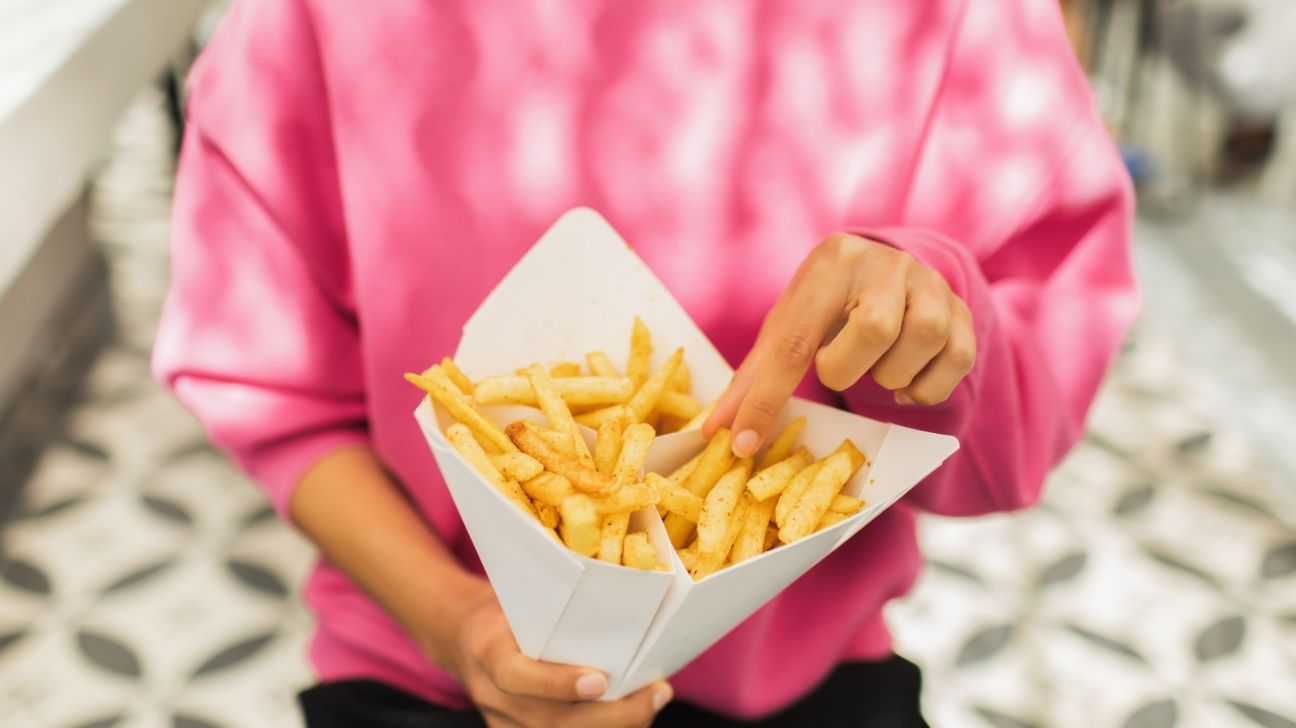
A recent study conducted by researchers from the National Cancer Institute (NCI) has found no link between the overall intake of ultra-processed foods and the incidence of colorectal cancer among more than 400,000 adults in the United States. The study, published in PLOS Medicine on October 15, analyzed data from the NIH-AARP Diet and Health Study, which included participants aged 50 to 71 who enrolled between 1995 and 1996.
Ultra-processed foods, which account for more than half of adults' energy intake in the U.S., encompass a wide range of products, including processed meats, ready meals, and sugary drinks. While some studies have suggested that high consumption of ultra-processed foods may increase the risk of heart disease, type 2 diabetes, and obesity, the connection between these foods and colorectal cancer has been less clear.
The NCI researchers noted that there is a wide range of foods considered ultra-processed, and each may carry different risks. They found that higher intake of whole grains, fiber, dairy products, and calcium from ultra-processed sources was associated with lower colorectal cancer incidence, while meat from ultra-processed sources was linked to higher incidence.
The study also revealed that replacing 10% of the gram weight from ultra-processed food intake with minimally processed foods was associated with a 2% lower incidence of colorectal cancer.
Despite the findings, experts caution that simply classifying foods by their level of processing may not provide a complete picture. Experts like Marissa Shams-White, PhD, from the American Cancer Society, emphasized that the source of the food and additives like preservatives, flavorings, sugars, and pigments used to enhance palatability could play a significant role in cancer risk.
However, limitations to the study include the primarily older, white American participant population and the measurement of ultra-processed food intake only once at the beginning of the study period. Nonetheless, gastroenterologist Ashkan Farhadi, MD, found the results "very interesting" and emphasized the importance of examining the specific type of ultra-processed foods rather than relying solely on the "ultra-processed" label.
Written by urgent.news from Healthline News's reporting — not their text. Machine-written — may contain errors; check the original before relying on it.