Twelve Golden Rules of real estate development in Ghana, Africa
Real estate development is one of Africa's greatest opportunities for economic growth and wealth creation. With a young population, rapidly expanding cities, and rising demand for quality housing, commercial, industrial and mixed-use properties, the potential is enormous. However, success requires far more than buying land and constructing buildings. Many projects fail because developers start…
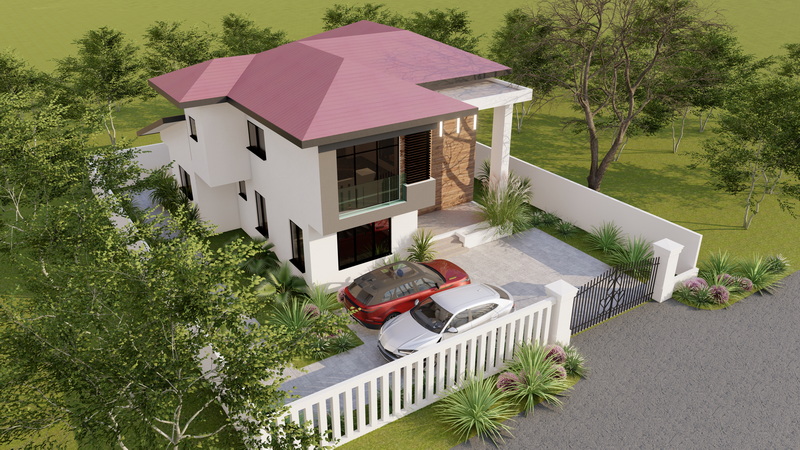
Ghana's real estate development sector holds immense potential for economic growth and wealth creation. With a youthful population, expanding cities, and increasing demand for various types of properties, the opportunities are vast. However, the success of any project hinges on meticulous planning and adherence to certain key principles. Here are the twelve golden rules that can guide developers to achieve sustainable success in the Ghanaian real estate market.
Rule 1: Choose the Right Location
The value of a property is heavily dependent on its location. A visually appealing building in a suboptimal location may struggle to attract tenants or buyers, while a well-designed property set in the right area can command premium prices and maintain high value over time. When selecting a site, developers must consider factors such as accessibility to roads and transport networks, proximity to essential amenities like schools, hospitals, and markets, availability of vital services such as water, electricity, and internet connectivity, and the overall security and safety of the area.
It's crucial to assess not only the current state of the location but also its projected development over the next 10 to 20 years, including potential new roads, hospitals, and commercial centers.
Rule 2: Build With Quality Materials and Workmanship
While quality materials and skilled labor may come at a higher initial cost, they are essential to ensure the long-term success and durability of the property. Investing in durable, standards-compliant materials and hiring experienced professionals to oversee every stage of construction is a wise decision. Poor quality materials can lead to structural issues, such as cracks, leaks, and electrical faults, resulting in costly repairs and damage to the developer's reputation.
To maintain the highest standards, developers should conduct thorough soil testing and foundation work, use top-grade concrete and steel, ensure proper roofing and waterproofing, install reliable plumbing and electrical systems, and furnish the property with high-quality finishes. Each stage of construction should be closely inspected before moving on to the next.
It's also important to avoid compromising on specifications solely for the sake of increasing profit margins. Every completed property serves as a public advertisement of the developer's commitment to quality.
Written by urgent.news from MyJoyOnline Ghana's reporting — not their text. Machine-written — may contain errors; check the original before relying on it.
This story
This is one outlet's version. Read the fullest account.
- Twelve Golden Rules of real estate development in Ghana, Africa myjoyonline.com