Trace the killers: Kerala High Court directs UIDAI to match fingerprints in murder probe
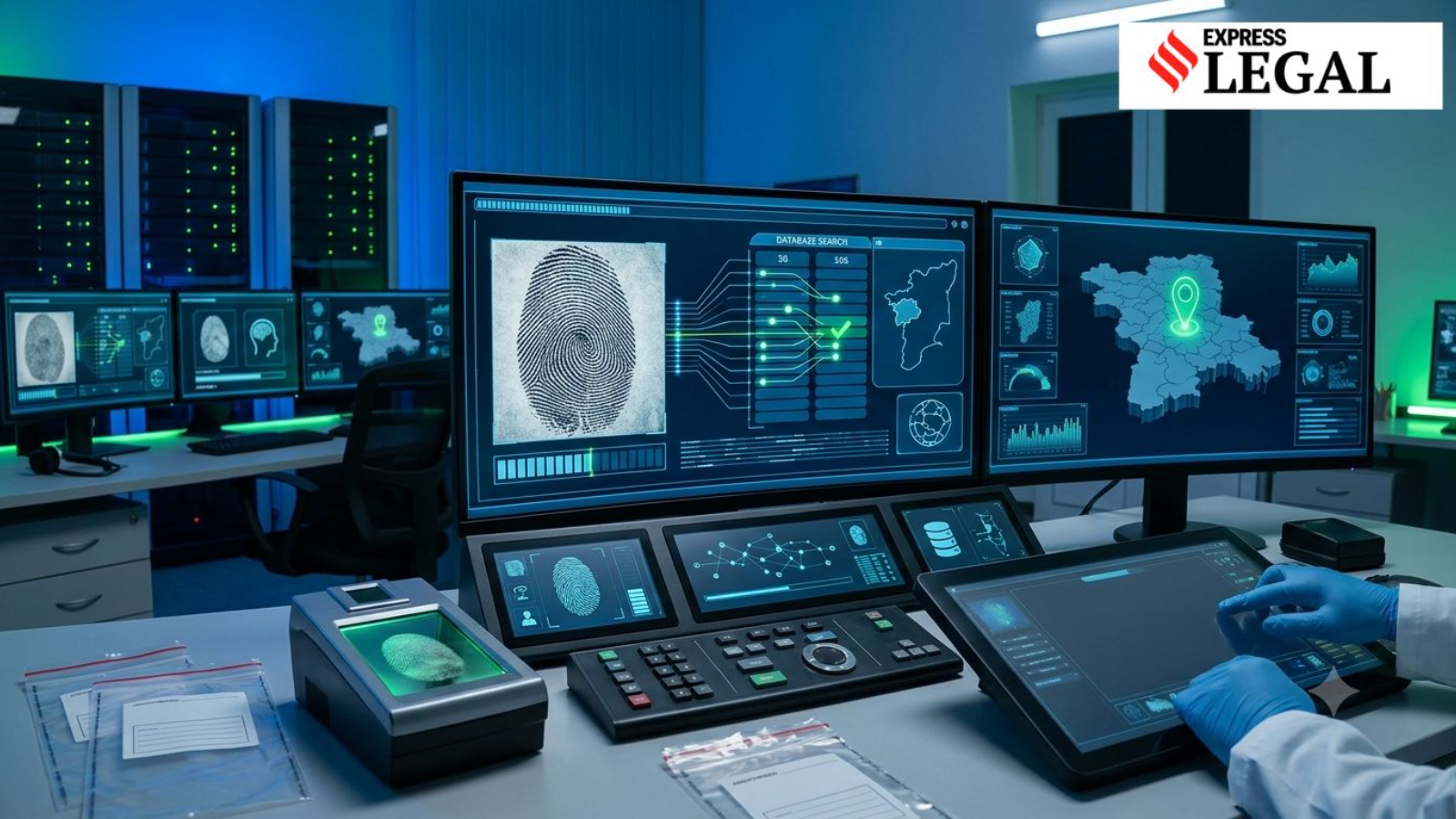
In a groundbreaking decision, the Kerala High Court has instructed the Unique Identification Authority of India (UIDAI) to assist the Kerala police in identifying murder suspects by comparing their crime scene fingerprints with the biometric database of Coimbatore district. The court's ruling was made in response to a plea filed by the Kerala police seeking aid in locating the suspects responsible for the brutal murders of a middle-aged couple on November 14, 2016.
The Kerala police claimed they had caught one suspect whose fingerprint matched the one collected from the crime scene, but were unable to find the other culprits despite comparing the six fingerprints with over 1,200 individuals. The police sought the help of UIDAI, but the agency initially rejected their request. Consequently, the police approached the high court for assistance.
Advocates for UIDAI and the central government argued that sharing biometric and other information from the UIDAI's database would infringe upon the privacy rights of millions of citizens and create a floodgate of requests from other investigating agencies. The court, however, noted that the law did not require the disclosure of core biometric information, and the requirement for the Aadhaar number holder's presence could not be applied in this case as there was no need for the investigating agency to seek help from UIDAI if they were aware of the suspects' whereabouts.
The high court directed UIDAI to compare the suspects' fingerprints with the fingerprints stored in its database for Coimbatore District and inform the police of the location of those persons whose fingerprints matched the suspects'. Once the whereabouts of the matching individuals are conveyed to the investigating agency, they can proceed with further investigation steps.
Written by urgent.news from The Indian Express's reporting — not their text. Machine-written — may contain errors; check the original before relying on it.