Threats by Yemen's Houthis to hit Saudi Arabia again rattle Gulf bourses
Gulf markets ended lower on Thursday as the Houthis threatened more attacks on Saudi Arabia, putting the country’s benchmark index on track for a sixth weekly loss. The Saudi index dropped 0.3%, pulled down by a 3.1% slide in ACWA Power Company and 0.4% fall in oil behemoth Saudi Aramco. On Wednesday, Yemen’s Houthis pledged to keep attacking airports and oil facilities in the kingdom. The threat…
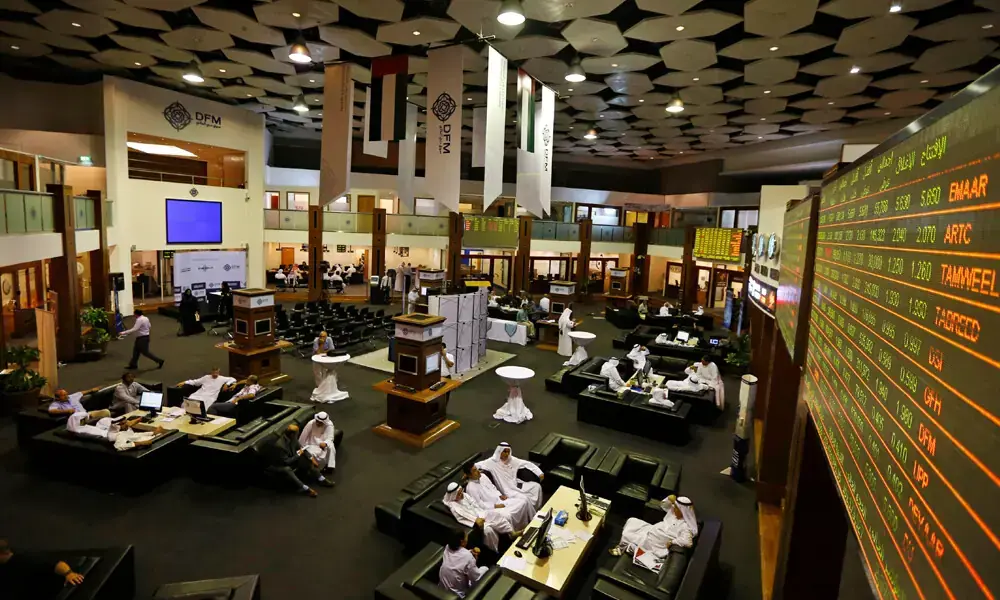
Gulf markets experienced a downturn on Thursday as the Houthis issued threats of further attacks on Saudi Arabia, causing the country's benchmark index to face its sixth weekly loss. The Saudi index slipped by 0.3%, influenced by a significant 3.1% decline in ACWA Power Company and a 0.4% drop in the dominant Saudi Aramco.
On Wednesday, the Houthis had vowed to continue their assaults on Saudi airports and oil facilities, following a Houthi strike the previous day that inflicted severe damage to Aramco's headquarters in Dhahran. According to multiple sources, the attack resulted in widespread fires, extensive damage, and the injury of three individuals who were present during the incident.
In response to the escalating threats, the European Union and Gulf states decided to cancel a joint summit scheduled to take place in Saudi Arabia next week, as concerns grew over the potential impact on air travel to and from the kingdom. These concerns were highlighted by officials on Thursday.
The International benchmark oil price experienced a $1.15, or 1.1% decrease, reaching $104.91 per barrel by 11:57 GMT. Additionally, concerns regarding shipping risks intensified, with reports of a container ship and a dry bulk carrier sinking near the Strait of Hormuz within 24 hours of projectiles hitting them in separate incidents, according to maritime officials.
The regional stock markets witnessed substantial losses, with Qatar's index leading the decline, falling 1.2% to its lowest level in over six years. Investor sentiment remained fragile due to prolonged negotiations, leaving geopolitical risks unresolved. Milad Azar, a market analyst at XTB MENA, commented that the ongoing negotiations have left lingering concerns about the potential escalation of tensions.
The International Monetary Fund cautioned that a protracted war in the Middle East, along with further disruptions to energy production, shipping routes, or critical infrastructure, poses the most significant risk to economies in the Middle East and Central Asia. Meanwhile, outside the Gulf region, Egypt's blue-chip index showed a positive trend, advancing by 1.5%, following a rebound from its six-day slide.
The IMF official responsible for Egypt noted that the country has managed to stabilize its macroeconomy despite challenging external conditions, but must expedite reforms to reduce the state's involvement in the economy.
Written by urgent.news from Business Recorder's reporting — not their text. Machine-written — may contain errors; check the original before relying on it.