There was a city here
I almost didn't notice the sign. Driving through Cheorwon on a research trip last July, we kept passing things that looked like landscape but weren't: a bridge that ended halfway across a river, a building with no roof, a railway disappearing into trees. There was a lot to see. There wasn't much left to see it. Our next stop, our guide said, was Gimhwa. The first thing I noticed was how beautiful…

At first glance, the sign in Cheorwon went unnoticed during a research trip in July. The landscape resembled something natural, with a bridge ending halfway across a river, a roofless building, and a railway vanishing into the trees. The area was rich in history and activity, with roads branching out in all directions and mines among the top in the country. Schools and markets thrived in the bustling hub.
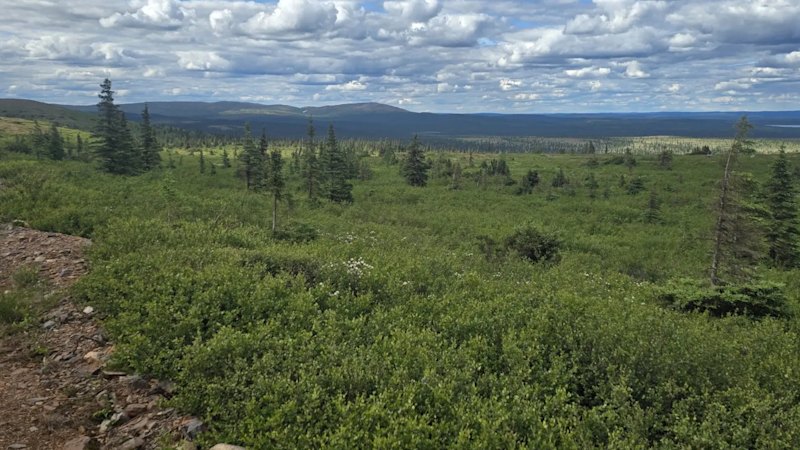
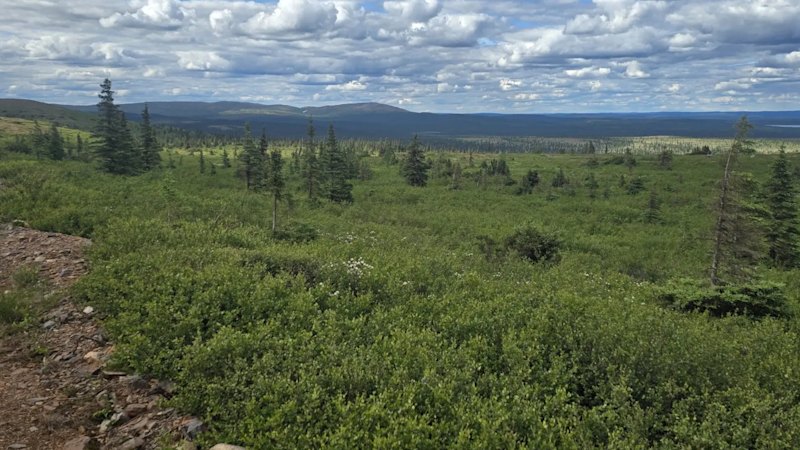
However, the guide was quick to point out that there wasn't much left to see. The next destination was Gimhwa. Upon arrival, the guide marveled at the serene beauty of the place, describing it as a corner of paradise. The peaceful lake lay still, surrounded by birds and gentle wind. Yet, upon closer inspection, a troubling revelation surfaced.
The tranquility of Gimhwa was not something earned, but rather a reminder of a tumultuous past. The stillness was a hollow substitute, a place that had once been anything but peaceful.
The guide explained that wars not only claimed lives but also devastated landscapes. Gimhwa's quietude was not a testament to peace, but rather an absence of life. It made the reporter ponder what the trees and the lake might have to say about their experiences. What stories would they tell of the battles that once raged, the lives that were lost, and what was taken from this once-thriving community?
Before the Korean War, Gimhwa was a bustling center of commerce and industry. Its strategic location allowed its roads to extend in all four directions, connecting it to neighboring regions. The mines in the area were among the most productive in the nation, ranking within the top two. The town was alive with markets, schools, and a vibrant community. The war had left a lasting impact, stripping the place of its former glory and leaving behind a haunting silence that spoke volumes about what was lost.
Written by urgent.news from The Korea Times's reporting — not their text. Machine-written — may contain errors; check the original before relying on it.
Also reported by 1 other outlet
- There was a city here koreatimes.co.kr