The ‘intangible economy’ is making everyone miserable
It's hard to feel satisfied when so much of our wealth is no longer in the physical realm.
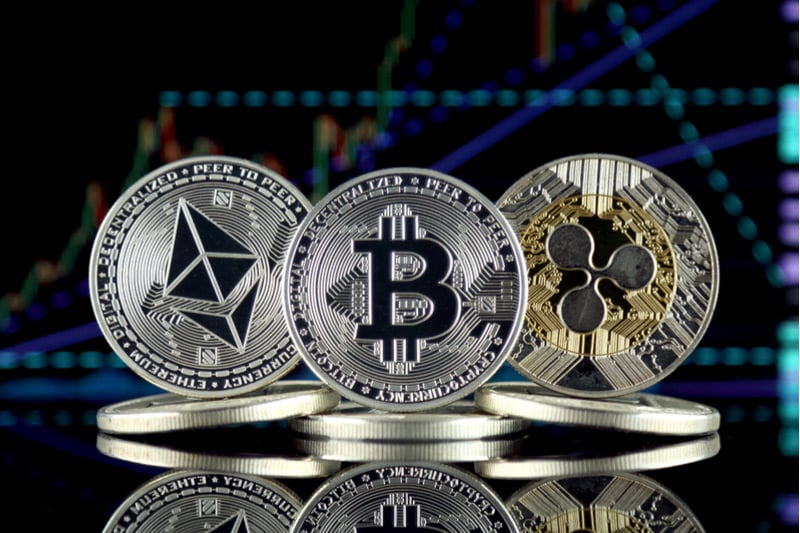
The intangible economy has led many to feel economically miserable, despite America's unprecedented wealth and prosperity. In today's digital age, fewer tangible possessions exist, making it difficult to feel satisfied when most wealth is intangible. Stock investing, for example, allows young people to gain wealth without the burden of a down payment or being tied to a specific location.
However, owning stocks is an abstract form of wealth, as it's challenging to feel personally attached to a company like Amazon.com Inc. Furthermore, intellectual property now constitutes a significant portion of the stock market, contributing to this intangible economy.
This shift in wealth ownership has led to a decline in community and belonging, as more socialization occurs in virtual spaces. Additionally, more individuals work in services sectors, creating valuable skills but with no tangible output. This intangible nature of our labor has also contributed to income and wealth inequality, as wages are lower yet less dispersed in a service-based economy.
The increasing focus on knowledge work has led to growing income inequality, as wages in physical jobs are lower yet less dispersed. This new economy rewards knowledge and expertise more than physical labor, resulting in longer, healthier lives. However, the lack of physical labor and the rise of intangible wealth have made it harder for people to feel content, as the benefits are less tangible and satisfying compared to owning a home or having a significant financial portfolio.
While the intangible economy has made us richer and longer-lived, the benefits can feel elusive due to our innate need for status and physical possessions. The new status games, such as those on social media, can be less satisfying than tangible achievements like owning a large house or having a substantial brokerage account. Nevertheless, it is essential to remain optimistic about the future, as norms and culture evolve over time, and people may eventually find new ways to connect and rebuild community in this ever-changing intangible economy.
Written by urgent.news from Straits Times Business's reporting — not their text. Machine-written — may contain errors; check the original before relying on it.