The hidden costs of fracking: boom in Argentina linked to trail of sickness
Families in Vaca Muerta, the centre of Patagonia’s shale operation, report cancers, miscarriages and pollution In Allen, a small town in Argentine Patagonia, many people living on the same street ended up falling ill. For some, it was severe migraines, nausea or skin irritation. For others, cancers, congenital abnormalities, miscarriages or stillbirth seemed to affect foetuses or children. People…
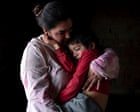
In the heart of Patagonia, families living near an active fracking site have reported a range of health issues, including cancers, miscarriages, and pollution. The community of Vaca Muerta has seen an increase in severe migraines, nausea, and skin irritation among residents. Formerly a peaceful area, Calle Ciega 10 has become a focal point for these concerns, with about 20 families living in close proximity to the well.
Roxana Valverde, a resident of the area for nearly three decades, has witnessed multiple cases of cancer and stillbirths among her neighbors, attributing these illnesses to the fracking operations. Medical professionals acknowledge the possibility of pollution from fracking but stress the need for further studies to establish a direct link with certainty.
The Vaca Muerta region, which stretches across four provinces, is home to more than 2,600 active wells and has been a significant contributor to Argentina's economy. Recently, the Argentine government, led by Javier Milei, has prioritized the region to aid in economic recovery. Foreign companies such as Chevron, TotalEnergies, and Shell have joined the fray, capitalizing on the region's vast shale gas and oil reserves.
Despite the economic benefits, environmental experts warn of the profound ecological and health risks associated with fracking. While the well on Calle Ciega 10 ceased operations in 2019, work resumed earlier this year, drawing criticism from the residents who feel their complaints have gone unheard. Analía Celeste Saldías, whose family has suffered from various health issues, including a stroke and congenital malformation in her son, laments the lack of action from the courts and the government.
She suspects that a nearby pond, which provides water for daily use, may have been contaminated by the well's activities. Indigenous communities, such as the Zonal Xawvn Ko Mapuche and the Añelo Lof Campo Maripe Mapuche, have also reported numerous health issues, including miscarriages and respiratory disorders among their members.
The Mapuche people, a dominant Indigenous group in Argentina, have also observed the adverse effects on their livestock, with several animals born with deformities or complications during birth. Healthcare professionals in the region, including Silvia Ávila, dean of the faculty of medicine at the National University of Comahue, urge the government to monitor citizens' health and ensure transparency.
However, they lament the lack of medical and scientific research to determine the extent of the health impacts caused by the fracking industry.
Written by urgent.news from Guardian Health's reporting — not their text. Machine-written — may contain errors; check the original before relying on it.