The global water conversation is changing – now the UAE and the world must act
One of the defining characteristics of UN conferences is the opportunity to bring together perspectives and stakeholders whose paths might otherwise rarely cross. During the high-level week at the 81st UN General Assembly in New York last month, I engaged to technology leaders on artificial intelligence, investors on infrastructure, policymakers on climate resilience, business leaders on…
The United Nations General Assembly recently convened in New York, providing a platform for various stakeholders to discuss global issues. Among them were technology leaders, investors, policymakers, businesspeople, and researchers. Despite their diverse areas of expertise, they all shared a common concern: the need for a resilient, prosperous, and disruption-resistant future.
This common thread led them to the topic of water, which proved to be a crucial element in addressing interconnected challenges. Water is essential for food security, powering the energy transformation, sustaining economic strength, and providing reliable access to safe water for thriving communities. Recognizing water's importance has evolved over time, with the international community now understanding it as a strategic asset that underpins resilience, enables opportunity, and supports long-term prosperity.
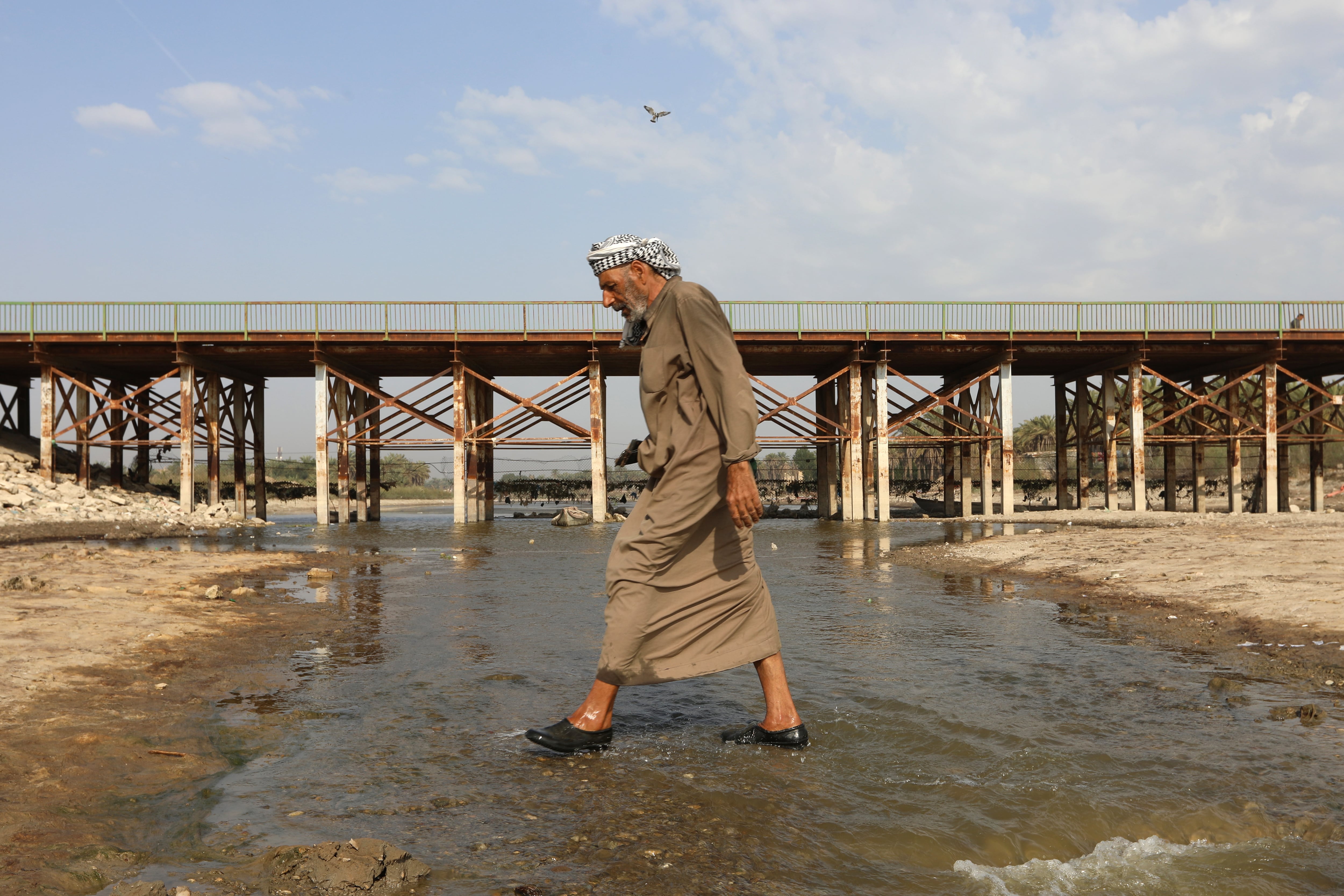
However, the challenges are immense. Agriculture consumes approximately 70% of global freshwater withdrawals, and many livelihoods rely on water-intensive sectors. When water becomes scarce or contaminated, the ramifications extend far beyond the water sector, impacting food prices, employment, businesses, communities, and investment.
Moreover, the human toll is significant. In over 70% of households, women and girls are responsible for fetching water, spending between 200 to 250 million hours daily on this task. This burden deprives them of education, skill development, and employment opportunities. Water security is not just about conserving a resource; it is a matter of peace, stability, and human dignity.
When water systems fail, livelihoods suffer. Disrupted water systems lead to disrupted livelihoods, tested resilience, and strained co-operation between countries that share rivers, aquifers, and water systems. In the face of increasing global change, where trust in international cooperation is wavering, water becomes a critical factor in fostering collaboration.
The United Arab Emirates, a nation grappling with water scarcity, recognizes the importance of water in shaping cities, economies, and futures. Their approach to international cooperation, exemplified by the historic UAE Consensus at Cop28, underscores the necessity of collective action to tackle interconnected climate challenges.
This consensus highlights the need for practical solutions and multilateral implementation. The Crosscurrents Report, recently released by the UAE, delves into the growing interplay between artificial intelligence (AI), water, and energy. As digital infrastructure expands, energy and water demands will rise. However, AI also offers solutions to water management, such as leak detection, irrigation improvements, drought forecasting, and optimized infrastructure.
The implications of AI extend beyond water and energy management; they reveal a broader truth – that the systems supporting our economies cannot be planned in isolation. Decisions about energy influence water, water impacts food production, industry, communities, and economic growth, and climate adaptation affects all of them. The future will not be built by addressing one issue at a time; it will depend on our ability to effectively integrate and manage these interconnected systems.
Written by urgent.news from The National UAE's reporting — not their text. Machine-written — may contain errors; check the original before relying on it.
Also reported by 1 other outlet
- The global water conversation is changing – now the UAE and the world must act thenationalnews.com