The China decoupling paradox: why the world still needs its manufacturing machine
Talk of global decoupling from China has persisted for years, as has speculation that emerging economies such as India and Vietnam could soon replace it as the “world’s factory”. But for Indian hardware engineer Neeraj Arora, the growth of India’s electronics manufacturing industry has not eliminated the need to source components from China. Instead, it has changed the nature of those imports. A…
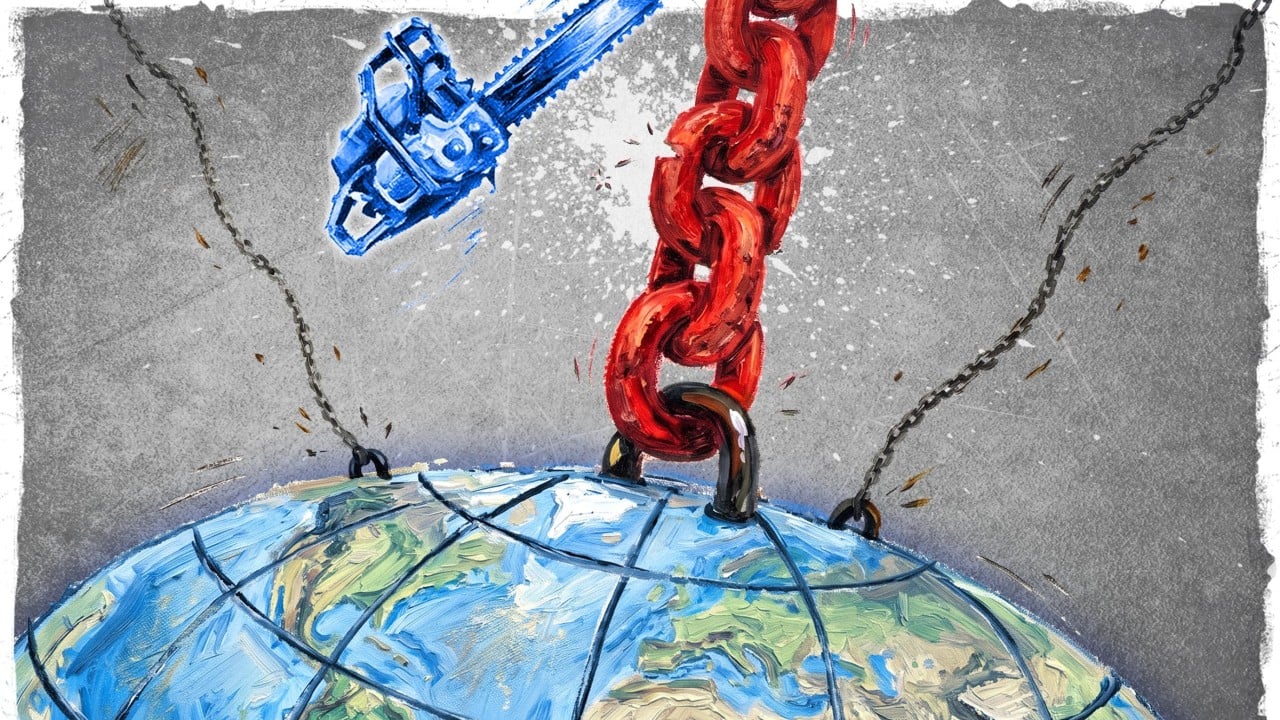
Global decoupling from China has been a topic of debate for years, with emerging economies like India and Vietnam often speculated as potential replacements for the manufacturing hub. However, for Indian hardware engineer Neeraj Arora, the growth of India's electronics manufacturing industry has not led to a complete shift away from sourcing components from China.
Instead, it has transformed the nature of those imports. A decade ago, Arora imported finished phone chargers from China. Today, more of these products are made in India, but manufacturers still rely on Chinese parts for assembly.
Arora's experience, along with broader economic data, highlights the difficulty countries face in diversifying their supply chains. Shifting production out of China does not always mean reducing dependence on Chinese industry. A recent Morgan Stanley report found that China continues to strengthen its role in global supply chains, even during trade tensions.
The analysts noted that China has deepened its presence in global supply chains by capturing value-added content in global imports and increasing exports to emerging markets.
While India has made significant progress in electronics manufacturing, 52% of its imported Chinese content still goes into domestic investments. The Morgan Stanley analysts found that China's share of value-added content in global imports has risen from 12.6% in 2017 to 14.3% in 2024. In Vietnam, 55% of imported Chinese content is channeled towards exports. This indicates broader regional supply-chain integration, centered around China.
Arora's experience underscores the difficulty of replacing mainland China's manufacturing ecosystem. Taiwan's higher-end products are less suited to low-cost goods, and Vietnam offers fewer options. Only China has the necessary ecosystem. However, India is making headway, with the government's Electronics Component Manufacturing Scheme supporting local production of parts and partially assembled products. Despite this progress, local manufacturers continue to rely on China's extensive network of component suppliers.
Written by urgent.news from South China Morning Post's reporting — not their text. Machine-written — may contain errors; check the original before relying on it.