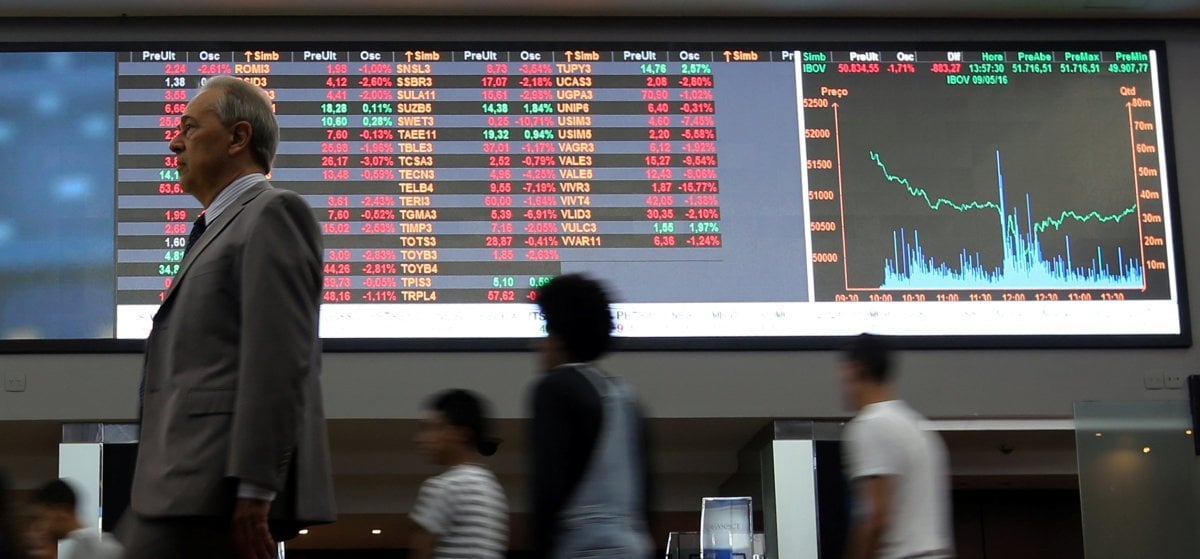
Takaichi trade gets a rethink one year on as bond appeal grows
For much of Sanae Takaichi's first year as prime minister, the prevailing trade in Japan was straightforward: buy stocks, sell bonds. Not anymore.
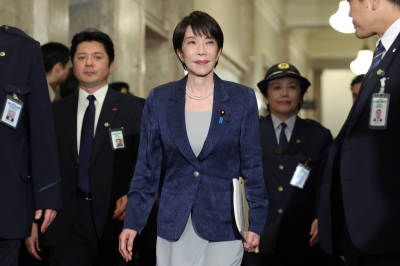
One year after assuming the role of Japanese prime minister, Sanae Takaichi's trade strategy has begun to face scrutiny and a potential shift in approach. Initially, the prevailing trend was to buy stocks while simultaneously selling bonds. However, this perspective is now evolving.
Financial experts at prominent asset management firms, including JPMorgan Asset Management and Mitsubishi UFJ Asset Management, are starting to question the efficacy of the so-called Takaichi trade. They are becoming less cautious about bonds.
Recent bond auctions have presented attractive entry points for investors, with yields reaching favorable levels. Additionally, mounting pressure from the United States government to implement fiscal restraint is dampening Takaichi's expansionary agenda.
The prime minister's expansionary stance, coupled with strategic industry support, contributed to a surge in stock prices, reaching record highs. This shift occurred after debt fears resurfaced in January, causing a significant impact on global bond markets.
Investors who held a portfolio consisting of long positions in the Topix index and short positions in Japanese government bonds have experienced a remarkable return of over 30% over the past year. This performance outpaced the Topix, as indicated by Bloomberg Intelligence data.
Written by urgent.news from Japan Times's reporting — not their text. Machine-written — may contain errors; check the original before relying on it.