Stockity: Digital Trading Platforms Gain Ground as More Users Explore Financial Markets Online
The way people access financial markets has changed sharply in recent years. A smartphone and an internet connection can now provide tools that once required specialist terminals, extensive software and far more technical knowledge. That shift has helped online trading platforms attract a wider audience. It has also created a new challenge: making sure easier […] Stockity: Digital Trading…
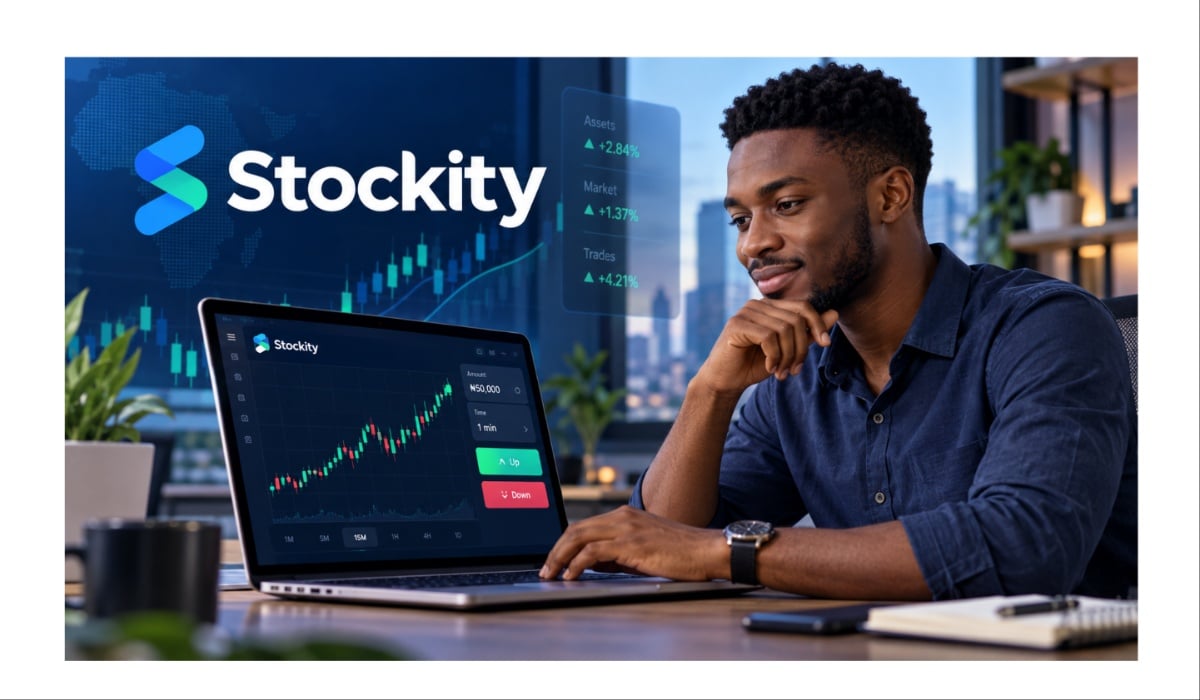
Digital trading platforms are gaining traction as more users explore financial markets online. Smartphones and internet connections now provide tools that once required specialized terminals and extensive software knowledge. This shift has expanded online trading platforms' audience, but it also presents a challenge: ensuring easy access doesn't lead to underestimating financial risk.
Nigeria and other rapidly growing digital markets are particularly attractive to users due to the prevalence of mobile services in everyday transactions. Trading platforms are becoming part of this broader move towards digital financial services. A more user-friendly interface does not equate to simpler markets. Modern platforms remove unnecessary friction, with charts that are easier to read, quick asset searches, and account controls available on a single screen.
Stockity (<https://stockity.com/en>) is one example of such a platform, offering access to over 140 assets and a demo account for users to practice trading before using real money. While these features make a platform more accessible, they do not guarantee predictable market movements. Prices can change rapidly, and even well-reasoned forecasts may prove inaccurate. Beginners need to understand that learning how to open a trade is quick, but recognizing when not to trade takes longer.
Demo accounts are often seen as a brief introduction to trading. However, they can be more valuable than that. Users can test the platform without risking their own funds, compare various approaches, become familiar with price charts, and observe how emotions influence decisions during sudden market changes. The primary advantage of demo trading is to discover where a strategy might fail, rather than proving its success.
This is crucial because emotions can cloud judgment, leading to poor decision-making. Keeping a trading journal can help identify costly habits and prevent them from going unnoticed.
Risk management begins before the first trade. Users must decide how much money they can afford to lose without impacting essential expenses like rent, food, education, loans, and emergency savings. Treating trading capital separately from money needed for daily life is also advisable. Setting limits before a trading session can help prevent a losing trade from escalating into a series of emotional decisions.
While online trading platforms have lowered many practical barriers to market participation, users must still exercise judgment. Preparation is key: learn the interface, use a demo account, keep records, set financial limits, and understand the regulations applicable to your country. Platforms like Stockity provide the necessary tools, but ultimately, the responsibility for deciding when and how much to trade rests with the user.
Remember, online trading can lead to substantial losses, including potential loss of the entire trading account balance. Users should carefully assess their financial situation and consider independent financial advice if needed.
Written by urgent.news from Daily Post Nigeria's reporting — not their text. Machine-written — may contain errors; check the original before relying on it.