Stock selloff extends to Asia as chip rout deepens
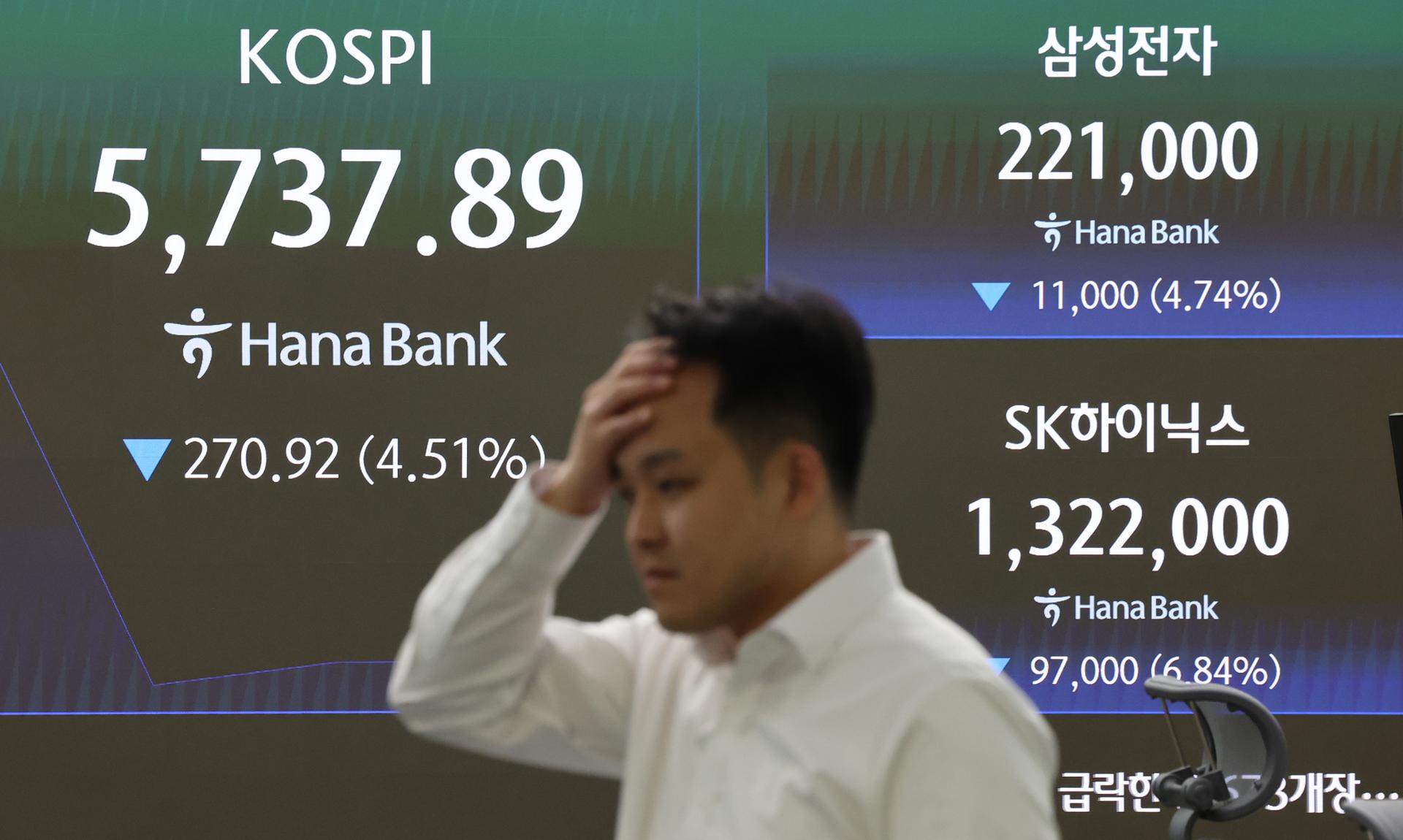
The selloff in equities extended to Asia following a decline in chip stocks on Wall Street, as higher-than-anticipated US inflation sparked expectations of more aggressive Federal Reserve rate hikes. The MSCI Asia Pacific equities index fell 1.5%, marking its fourth consecutive decline, primarily due to losses in South Korea, a key indicator of artificial intelligence investments.
The Kospi Index plummeted up to 6.5%, reaching its lowest point since late July, with chip giants Samsung Electronics and SK Hynix plummeting at least 7%. Tech sentiment remained bleak, with Nasdaq 100 Index futures tumbling by up to 1%. Earlier, the Russell 2000 entered a correction, and a widely monitored gauge of US semiconductor stocks experienced its longest losing streak since May 2025.
CoreWeave Inc. shares plummeted up to 17%, trading its debt due in 2032 at less than 78 cents on the dollar for the first time since April 2025. Rising US inflation fueled bets on additional Fed tightening, raising the possibility of more rate hikes even if policymakers delay any action until October. Although Treasuries initially declined after the data release, they regained most of the previous losses due to demand for bond yields nearing multiyear highs.
Stubborn inflation, driven by soaring oil prices since the Middle East conflict, raises the likelihood of more aggressive Fed rate hikes. Market strategist Ronald Temple noted the Fed's growing risk of falling behind in controlling inflation. Treasuries surged at the beginning of Asian trading, with yields falling at least three basis points across the curve.
Gold recovered after three days of losses to approximately $4,140 per ounce. Oil prices eased marginally, falling 0.5% to $105.50 per barrel. The US consumer price index increased 0.6% in September compared to the previous month and rose 3.7% year-over-year, driven by higher fuel costs and a stronger-than-expected underlying price pressures gauge.
Fed Chairman Kevin Warsh vowed to steer markets based on his assessment of monetary policy. The inflation surprise will intensify scrutiny of his remarks later on Thursday in Bangkok, where he is set to meet International Monetary Fund Managing Director Kristalina Georgieva. Two-year Treasury yields surged by up to 16 basis points following the inflation report, reaching 5.15% for the first time since 2007.
Market expectations now suggest around 40 basis points of hikes by the end of January, with the probability of an October increase also increasing. Market participants are confident that inflation remains stubborn and heading in the wrong direction, although the Federal Reserve is anticipated to pause rate changes in October but is expected to resume hikes in December.
Written by urgent.news from The Economic Times's reporting — not their text. Machine-written — may contain errors; check the original before relying on it.