South Korea removes safety barriers to let humanoid robots work alongside humans in factories
South Korea's industry ministry announced the approval on October 13 through its regulatory sandbox program, which allows companies to test new technologies under exemptions from existing requirements. Read Entire Article
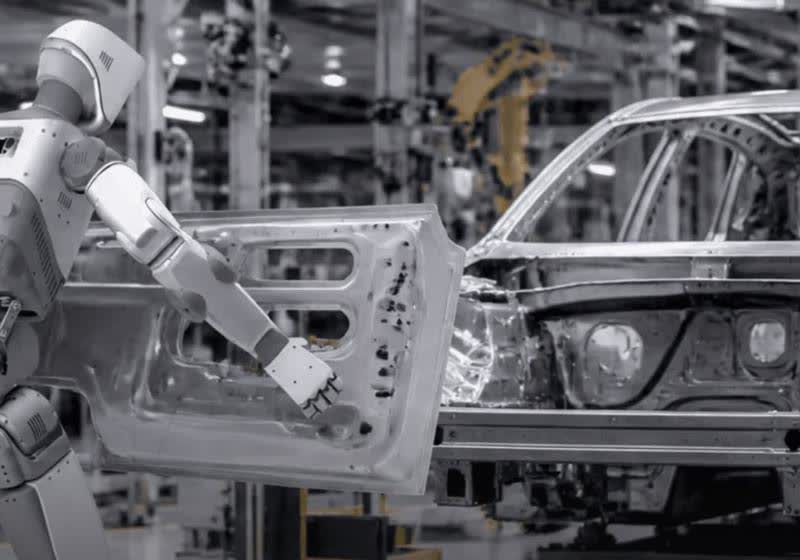
South Korea has removed safety barriers to allow humanoid robots to work alongside humans in factories. This decision was made through the country's regulatory sandbox program, which permits companies to test new technologies under exemptions from existing rules. However, the industrial robot safety rules in South Korea were originally designed for stationary machines, not human-like robots that can move freely.
As a result, the robots will have to operate within certain safety standards, and additional safety measures will be in place during the trials. The 20 robots will be used for various tasks, such as cleaning semiconductor packaging components, positioning car parts, stacking scaffolding brackets, and moving refrigerated logistics packaging.
The trials will take place at semiconductor, automotive, shipbuilding, and logistics sites. South Korean officials believe that humanoid robots can help address labor shortages, increase productivity, and perform jobs that are either too repetitive or too dangerous for humans. However, there is concern among workers about potential job losses due to the introduction of these robots.
Hyundai's union has warned that deploying humanoids could lead to significant job losses, while the company has stated that the robots will help reduce physically demanding and dangerous work. The effectiveness of these robots remains uncertain, with some studies suggesting that they may only match about 30% to 50% of human productivity.
There are also fears that fully capable humanoid robots could displace a large number of workers, causing significant economic disruption. Bill Gates has suggested that one solution could be to make these robots pay FICA taxes when they replace humans.
Written by urgent.news from TechSpot's reporting — not their text. Machine-written — may contain errors; check the original before relying on it.