Skydance’s merger exposes a gap between what pays for media and what democracy needs
Only 33% of Americans trust mass media, versus 68% in 1972. Now one company owns CNN, CBS News, HBO and Warner Bros., and it plans $6 billion in cuts.
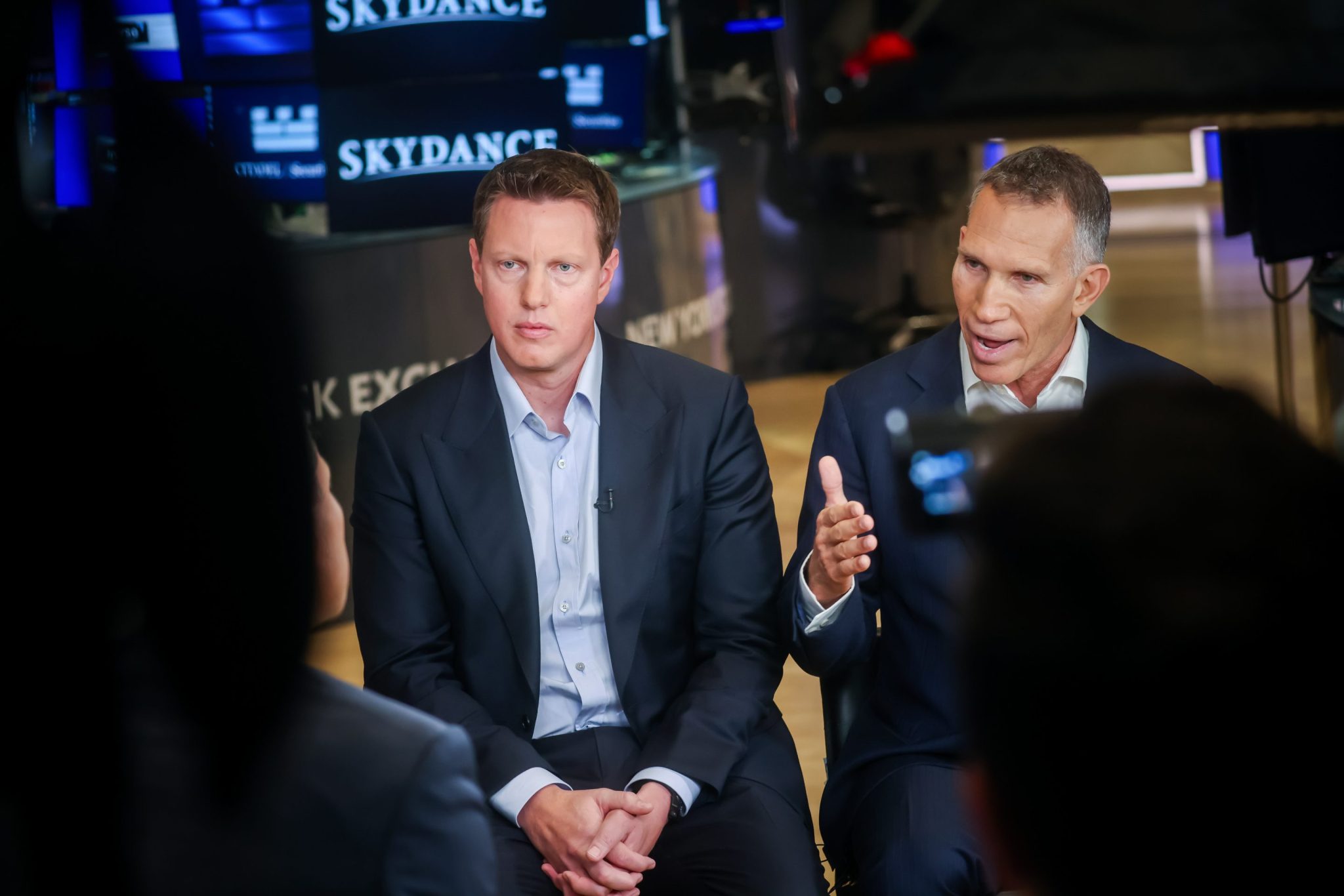
The media landscape has become increasingly dominated by a small number of large corporations, sparking concerns about the potential impact on democracy. In 2004, media critic Ben Bagdikian warned that five corporations had acquired "more communications power than any despot or dictatorship." Two decades later, the merger between Paramount and Warner Bros.
Discovery, resulting in the creation of Skydance Corporation, has brought this warning back into the spotlight. Skydance now controls CNN, CBS News, Warner Bros., Paramount Pictures, HBO, Paramount+, and a large collection of cable networks, live sports, and entertainment franchises, with a total valuation of about US$110 billion.
The merger, valued at approximately US$110 billion including debt, is expected to cut at least $6 billion in costs within the next three years. However, a coalition of 12 states sued to block the merger on antitrust grounds, arguing that it would reduce competition in movies and television. As a result, the merger required a multiyear movie production and theatrical release guarantee, as well as the establishment of an editorial independence board for CNN and CBS News.
The concerns surrounding media consolidation extend beyond just competition. Media critic and scholar believes that the size and ownership of media companies matter significantly. The entities that own the media institutions ultimately determine its leaders, budgets, and editorial decisions. With greater market pressures favoring increased scale and efficiency, there is a risk that independent reporting and diverse voices could be compromised, undermining the very foundations of democracy.
Throughout American media history, there has been an ongoing debate about the appropriate role of the media in a democratic society. While the United States initially embraced a largely private, commercial broadcasting system, other nations, such as the United Kingdom, opted for publicly funded alternatives like the BBC. These differing approaches were shaped by contrasting beliefs about the primary purpose of broadcasting: whether it should primarily operate as a business or carry broader public obligations.
Over time, the market perspective has gained dominance in the United States. In 1981, Mark Fowler, the chairman of the Federal Communications Commission under President Ronald Reagan, famously described television as "a toaster with pictures," arguing that broadcasters should primarily respond to audience demands through ordinary market forces. However, scholars like Robert McChesney have argued that concentrated commercial media has emerged as a "significant antidemocratic force."
The issues surrounding media concentration are not new. In 1947, the Hutchins Commission on Freedom of the Press warned about the concentration of mass communication in fewer hands and encouraged greater social responsibility. For decades, the Federal Communications Commission (FCC) placed limits on broadcast ownership to promote competition and diversity.
However, with the rise of digital media platforms, a new class of gatekeepers has emerged. Today, social and video platforms, such as Facebook, YouTube, and TikTok, have become the primary channels through which people access news in many countries. While these platforms provide access to information, their primary objective is to maximize user engagement, often prioritizing sensational content over objective reporting.
As a result, news consumption patterns have shifted, with Americans spending an average of more than 13 hours per day consuming media. Yet, despite this extensive exposure, Americans exhibit a lack of trust and confidence in the media's ability to report the news accurately and fairly. Only 33% of Americans trust mass media to report the news fully and fairly, down from 68% in 1972. Additionally, many struggle to discern the truth from misinformation in the news.
While media concentration is not the sole cause of these problems, it is clear that the consequences of increased media abundance have not effectively addressed issues of knowledge, misinformation, or trust. Ultimately, the question remains: who produces the information democracy needs to function effectively? Democracy assumes that citizens will have sufficient information to make informed choices and hold powerful institutions accountable.
However, markets alone do not guarantee the production of such information. Media scholars emphasize the importance of understanding that journalism provides benefits beyond mere profit, and without adequate investment in independent journalism, democracy may be at risk.
Written by urgent.news from Fortune's reporting — not their text. Machine-written — may contain errors; check the original before relying on it.