Sedition: courts must act where Parliament fails
Under its sacred judicial oath of office, the judiciary has the duty not only to safeguard constitutional rights but also facilitate the empowerment of such rights.
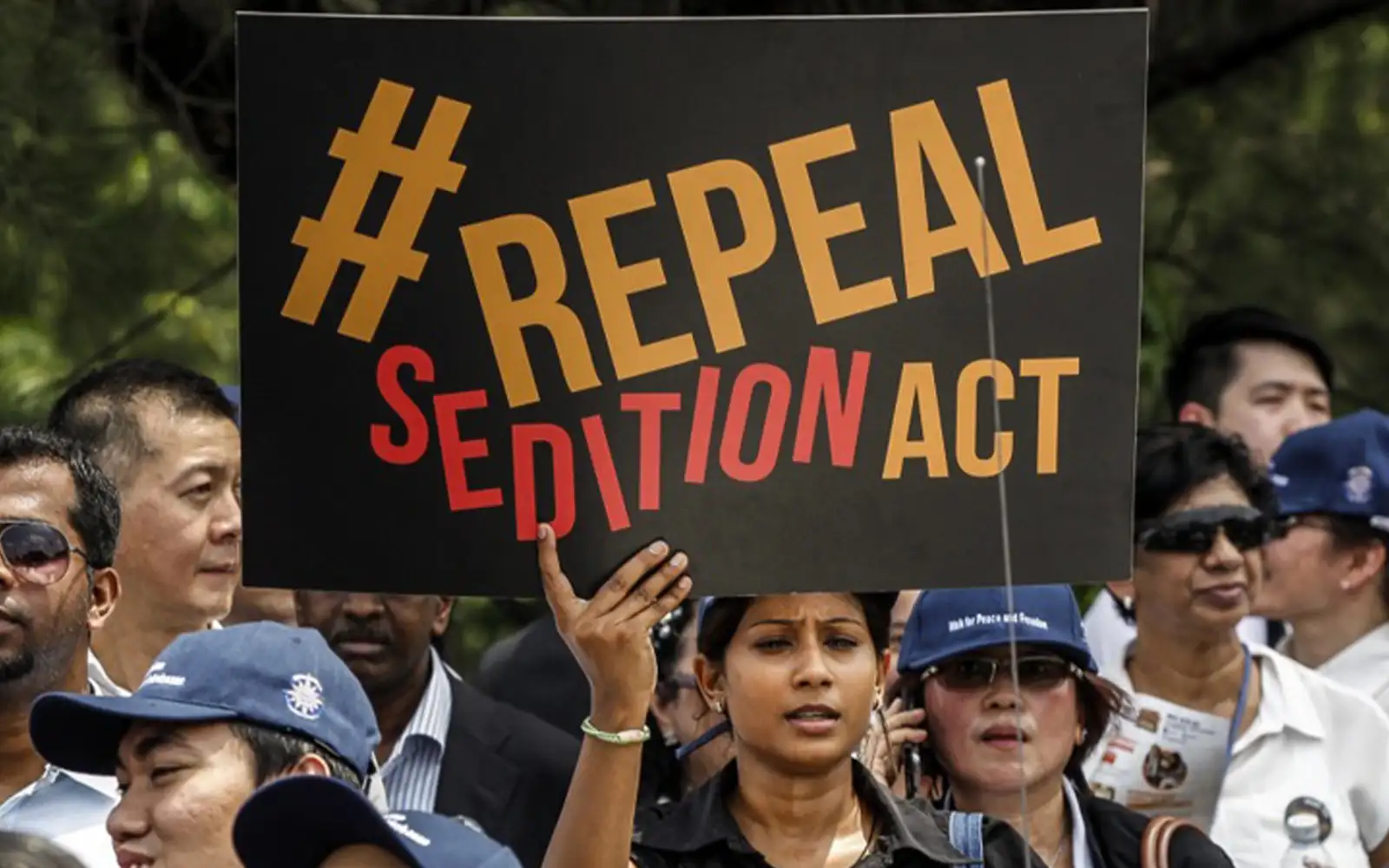
In a recent column, the author argued that the Sedition Act 1948 should be abolished unless Parliament revises the Federal Constitution to acknowledge it as a valid limitation on free speech. Recently, the prime minister himself advocated for the repeal of this colonial-era law to genuinely honor Malaysia's independence. The prime minister’s remarks at a Merdeka event in UiTM were particularly significant as his Pakatan Harapan coalition has championed the cause for years.
Nevertheless, no political leaders have yet taken action to fulfill their promise, allowing the restrictive law to remain on the books long after its expiry date, still in use against ordinary citizens. The current focus of the Dewan Rakyat is the supply bill for the 2027 government, making it unlikely that the Sedition Act will be addressed anytime soon.
The attorney-general, tasked with safeguarding public interest, could file a motion in the Federal Court requesting the Act be struck down; however, his lack of initiative suggests that it is not currently on his radar. The Bar Council, NGOs, activists, or a member of the public may need to take up the cause. Despite the challenges, the courts possess the constitutional authority to bring about change, given the political leaders' negligence.
The courts' oath of office, which requires them to "preserve, protect, and defend" the constitutional rights of all Malaysians, obligates them to take an active role in empowering these rights. The author believes that strategic constitutional challenges should be brought before the relevant courts, invoking their suo motu powers.
A letter to the High Court or the Federal Court should suffice to initiate the process, in line with the legal practice in India. However, the courts should not act independently; they should involve the Attorney General, the Malaysian Bar, the Advocates Association of Sarawak, and the Sabah Law Society in assessing whether the Sedition Act is compatible with the constitutional supremacy regime.
It is essential not to accuse the courts of overstepping their bounds, as our political leaders have already expressed a desire to remove the law. Ultimately, the legal industry must step up to the plate. The opinions expressed in this article are solely those of the writer and do not necessarily represent those of FMT.
Written by urgent.news from Free Malaysia Today's reporting — not their text. Machine-written — may contain errors; check the original before relying on it.
Also reported by 1 other outlet
- Sedition: courts must act where Parliament fails freemalaysiatoday.com