S&P 500 ends higher as traders shift from AI to healthcare
Several technology stocks fell, as investors scrutinised AI-related companies whose debt loads leave them vulnerable to rising interest rates.
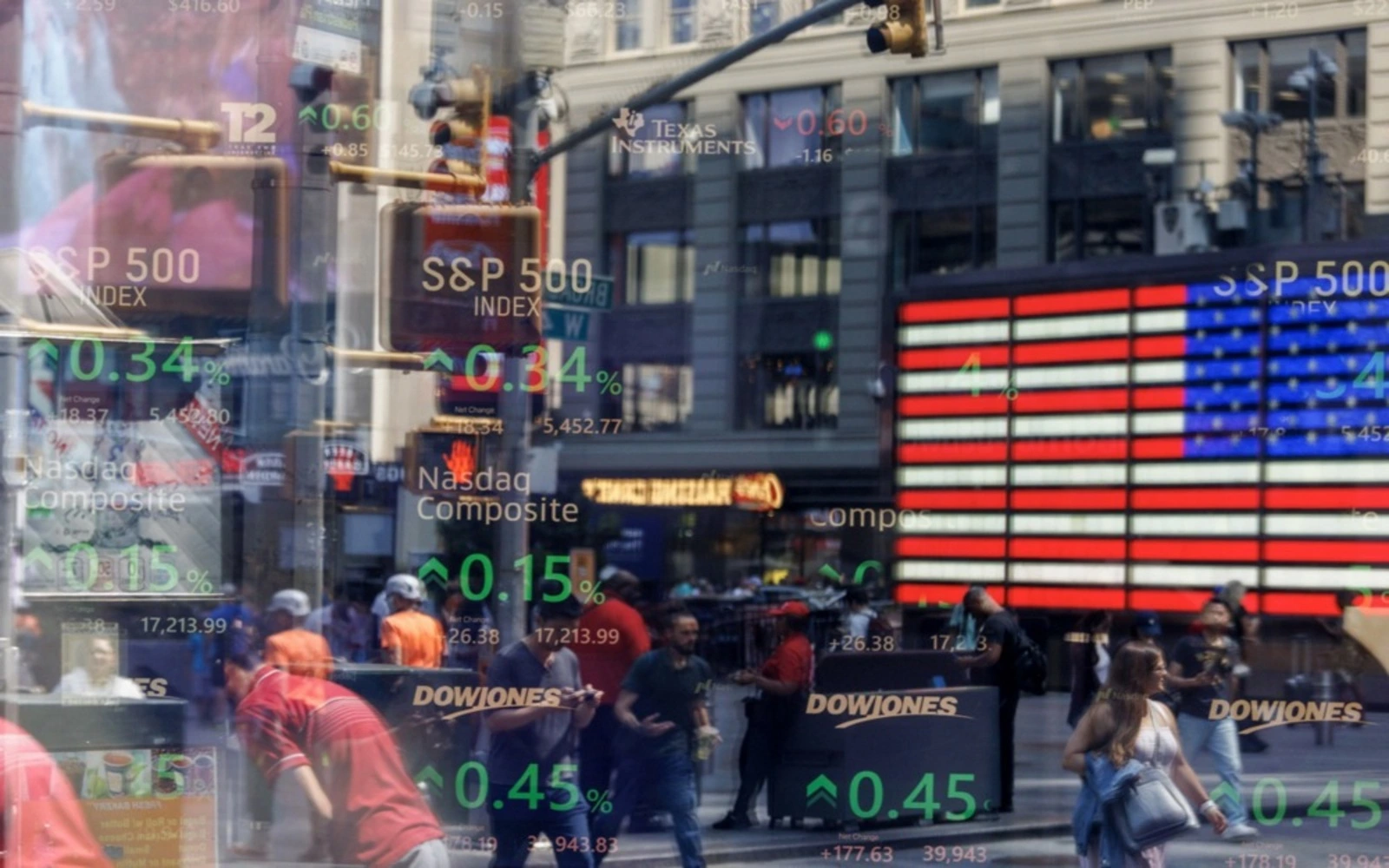
The S&P 500 finished higher on Thursday, bouncing back from early declines as investors moved their focus from AI stocks to healthcare and consumer stocks. Several technology firms experienced losses, with Nvidia falling 1.8% and Dell Technologies and Hewlett Packard Enterprise each dropping 6.9% and 7.1%, respectively. This shift was attributed to concerns over AI-related companies' mounting debt loads, which make them susceptible to rising interest rates.
Drugmaker Eli Lilly experienced a 3% gain, UnitedHealth increased by 2.8%, and Walmart rose 1.4% following rating upgrades from Deutsche Bank. These three companies played a significant role in the S&P 500's gains for the day. The yield on 10-year Treasuries declined, but remained near multiyear highs, reflecting investor worries about inflation fueled by high oil prices.
Jed Ellerbroek, a portfolio manager at Argent Capital Management, noted that the cost of financing various assets like homes and data centers has risen, impacting multiple sectors within the stock market. The S&P 500 closed the session at 7,744.06 points, marking a 0.33% increase, while the Nasdaq climbed 0.08% to 26,713.03 points, and the Dow Jones Industrial Average rose 1.08% to 52,177.69 points.
Trading volume on US exchanges surged to 20.7 billion shares, surpassing the average of 17.6 billion shares over the past 20 sessions. Eight of the 11 S&P 500 sector indexes increased, led by healthcare, which rose 1.84%, followed by a 1.71% gain in materials. Despite hitting a record high last week, the S&P 500 remains up about 13% throughout 2026, primarily driven by AI-related stocks.
The index's low price-to-earnings valuation indicates that investors are pricing in an eventual slowdown in earnings growth, fueled by AI heavyweights, according to Ellerbroek. Data revealed that US producer prices surged to the highest level in 4-1/2 years in September, indicating that inflation concerns are expanding beyond energy products.
Rising consumer inflation data on Wednesday also heightened expectations of additional interest-rate hikes by the Federal Reserve, contributing to a sell-off in Wall Street. While there has been some rotation among larger stocks, this movement of investors from AI to healthcare is not uncommon and has occurred periodically, according to Joe Saluzzi, co-head of equity trading at Themis Trading.
Interest rate traders have a 67% probability of the Federal Reserve raising rates during its December policy meeting, up from 62% on Wednesday, according to CME's FedWatch tool.
Written by urgent.news from Free Malaysia Today's reporting — not their text. Machine-written — may contain errors; check the original before relying on it.
This story
This is one outlet's version. Read the fullest account.
- S&P 500 ends higher as traders shift from AI to healthcare businesstimes.com.sg
- S&P 500 ends higher as traders shift from AI to healthcare freemalaysiatoday.com
- US stocks: Dow, S&P 500 end higher as traders shift from AI to healthcare economictimes.indiatimes.com