Raila’s handshakes: How political truces shaped Kenya’s democratic journey
As Kenya marks one year since the death of former Prime Minister Raila Amollo Odinga on Thursday, October 15, 2026, his political legacy extends beyond opposition campaigns and presidential contests to a series of negotiations that reshaped relationships between Kenya’s rival political camps. From working with President Daniel arap Moi to the 2008 power-sharing agreement […]
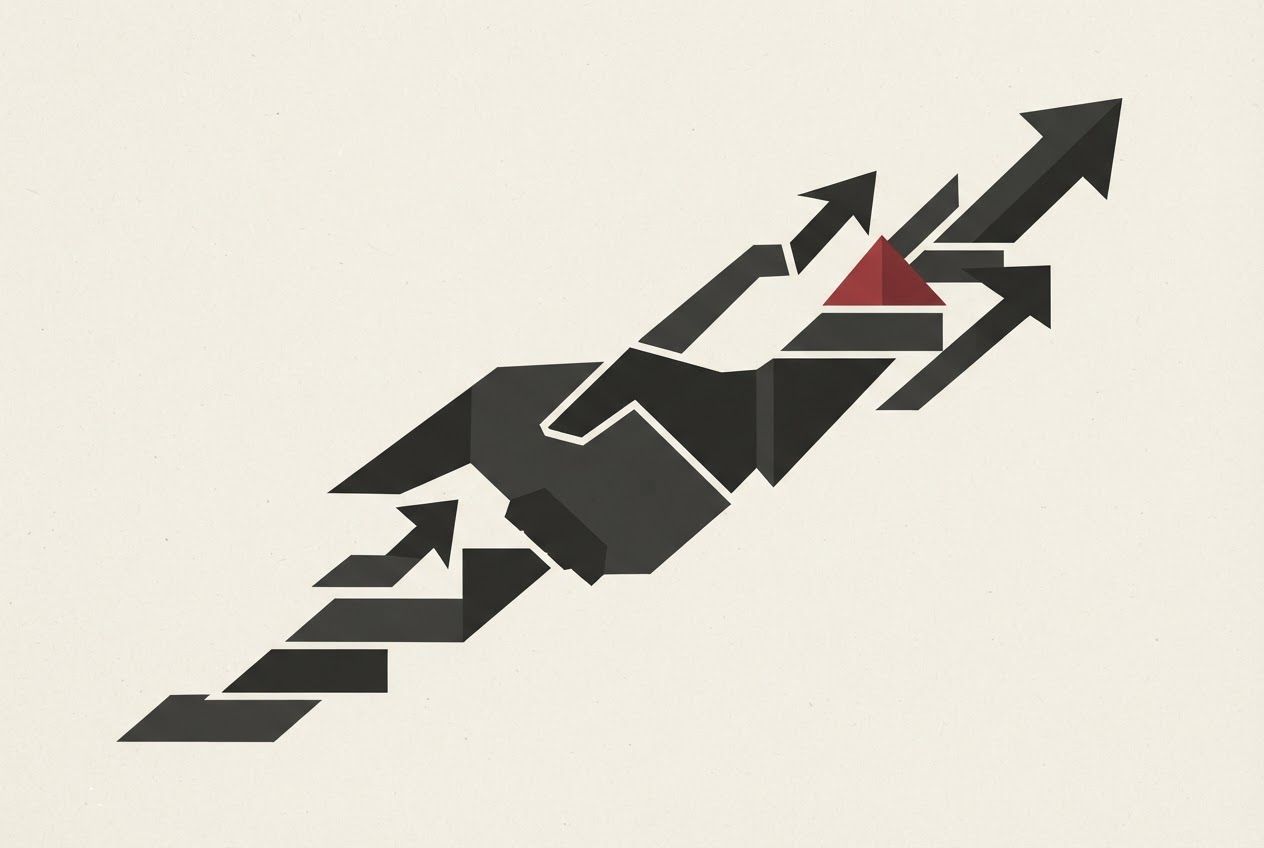
As Kenya commemorates the passing of former Prime Minister Raila Amollo Odinga on October 15, 2026, his political influence transcends opposition rallies and electoral battles to encompass a series of negotiations that have redefined connections between Kenya's opposing political factions. Odinga's career has been marked by his ability to negotiate with leaders he had once contested, making political compromise a hallmark of his tenure.
The most recent and significant collaboration was with President William Ruto, initiated following the Gen Z-led protests of 2024, resulting in a framework for dialogue and cooperation. These "handshakes" are pivotal in discussions regarding whether political accommodation has bolstered stability in Kenya or compromised the accountability vital in a multiparty democracy.
Odinga's history of political flexibility can be traced back to his early 2000s partnership with Kenya African National Union (KANU) during the regime of Prime Minister Daniel arap Moi. He later aligned with other opposition figures, notably Mwai Kibaki, who played a crucial role in forming the National Rainbow Coalition (NARC) which secured victory in the 2002 General Election against KANU.
The most landmark agreement of his political career was brokered post the disputed 2007 presidential election which resulted in widespread violence causing over 1,000 deaths and displacing hundreds of thousands. Mediated by Kofi Annan, the subsequent National Accord saw Kibaki retain the presidency while Odinga became prime minister, forming the Grand Coalition Government.
This arrangement not only quelled the immediate political deadlock but also contributed to the drafting of Kenya’s 2010 Constitution, which introduced significant institutional reforms such as devolved governance. However, despite the short-term stabilisation, the coalition did not eradicate the issues that led to the violence, notably corruption and accountability for the post-election unrest.
The coalition's failure to fully resolve underlying problems underscored both the potential and constraints of power-sharing arrangements; while they can provide a temporary ceasefire during national crises, they may not necessarily eradicate the systemic weaknesses that precipitated the conflict. In 2018, Odinga and then President Uhuru Kenyatta reconciled after a period of tension following the 2017 election, leading to the launch of the Building Bridges Initiative (BBI).
This initiative aimed to address deep-seated divisions and propose constitutional reforms. However, it was thwarted by the courts, which ruled it unconstitutional in 2022. This setback did not deter Odinga; instead, he forged another alliance in 2024 with President Ruto, following widespread youth-led protests over issues like taxation, economic hardships, and governance.
The new agreement between the United Democratic Alliance (UDA) and the Orange Democratic Movement (ODM) addressed matters of inclusivity, corruption, devolution, and youth empowerment, paving the way for ODM members to participate in the government. Odinga's history of negotiating with political adversaries has often been seen as a demonstration of pragmatism, particularly when confrontational politics jeopardize national cohesion.
However, skeptics argue that such agreements might dilute opposition scrutiny by integrating former critics into administration without fully addressing the grievances that fuel public discontent. The balance between political stability and democratic accountability remains complex. While negotiations can de-escalate tensions, their efficacy in the long run hinges on the implementation of reforms, protective measures within institutions, and whether ordinary citizens perceive genuine progress.
As Kenya reflects on Odinga's life a year after his demise, his legacy offers a compelling narrative of how political reconciliations can reshape a nation. His narrative is not solely about alliances with successive presidents; it also embodies an ongoing discourse on reconciling competing interests, averting conflict, and maintaining the accountability that citizens rightfully expect from their elected officials.
Written by urgent.news from People Daily Kenya's reporting — not their text. Machine-written — may contain errors; check the original before relying on it.
Also reported by 2 other outlets
- Peter Kagwanja: Without Raila Kenya would not have the 2010 Constitution peopledaily.digital
- One year later, Kenya’s political landscape has permanently changed nation.africa