Raila and the politics of compromise: What changed, what didn’t
One year after Raila Odinga’s death, Kenya reflects on his legacy, electoral justice, constitutional reform and his final political pact with William Ruto.
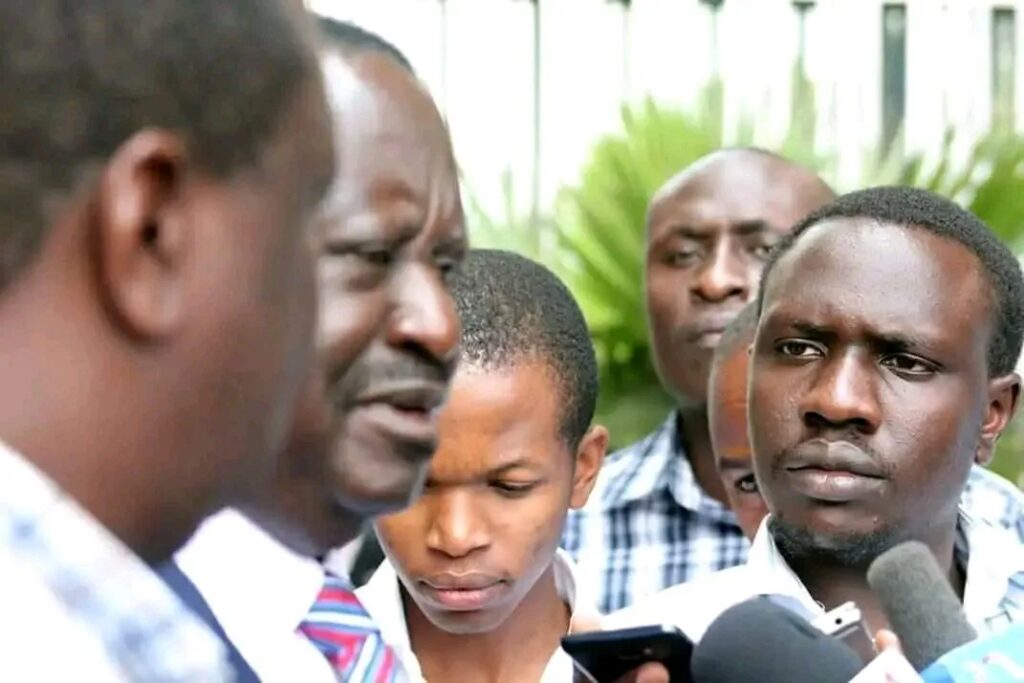
NAIROBI, Kenya, Oct 15 — From his early days in challenging Kenya’s one-party rule and helping bring about multiparty democracy to his controversial political realignment with William Ruto, Raila Odinga embodied the complexities of Kenya’s democratic journey. When Kenya nominated him for the African Union Commission chairmanship in August 2024, his partnership with Ruto united political adversaries, sparking debate over the cost of compromise and the preservation of his movement’s core values.
One year after Odinga’s passing, his legacy remains a reflection of Kenya’s ongoing struggle with power, accountability, and electoral trust.
Raila's impact extended beyond his political career. As a prominent figure in the struggle for multiparty democracy, he turned resistance into mass mobilization, keeping electoral competition and constitutional reform at the forefront of national discourse. Political analyst Professor Adams Oloo praised Odinga's selflessness, stating that he sacrificed not only for Kenya but also for the broader African continent.
House Minority Leader Junet Mohamed remembered him as a leader who knew when to fight and when to lay down his arms, highlighting the balance between confrontation and negotiation throughout his career.
Odinga's political career was marked by strategic alliances and compromises. After his first presidential bid in 1997, he joined forces with the ruling KANU party in 2001, serving as energy minister before returning to the opposition to lead the fight against President Mwai Kibaki's proposed constitution in 2005. The Orange Democratic Movement, which included key figures like Ruto and Mudavadi, emerged as a powerful political force ahead of the 2007 election.
The disputed election resulted in widespread violence and political instability, leading to the formation of a power-sharing government that included Odinga as Prime Minister in 2008.
Despite these compromises, the 2017 presidential election annulled by the Supreme Court revealed the fragility of electoral trust. Odinga's National Super Alliance demanded accountability from the electoral commission, but the subsequent reconciliation with the Kenyatta government through the Building Bridges Initiative failed to address deep-seated concerns about governance and political inclusion.
Odinga's legacy, according to allies, is one of selflessness and a commitment to the greater good, even when personal interests were at stake. As Kenya reflects on the impact of Raila Odinga, the question remains: what has truly changed because of his contributions, and what aspects of his career still linger as unfinished business in the country’s evolving political landscape?
Written by urgent.news from Capital FM Kenya's reporting — not their text. Machine-written — may contain errors; check the original before relying on it.