Qatar urges diplomacy, respect for international law to secure lasting Mideast peace
Qatar has called for further diplomatic efforts to resolve the Middle East conflicts, warning that continued tensions and restrictions on vital maritime routes threaten regional stability and the glob...
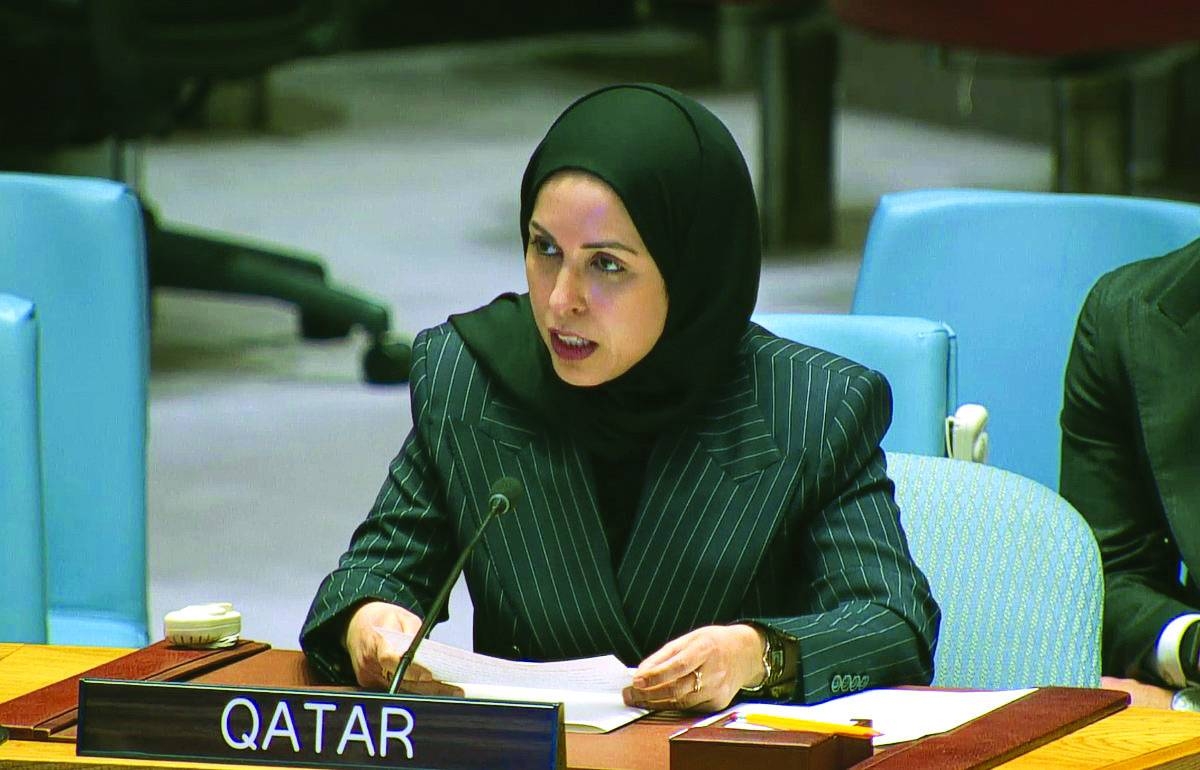
Qatar has urged for continued diplomatic efforts to resolve conflicts in the Middle East, warning that ongoing tensions and restrictions on crucial maritime routes jeopardize regional stability and the global economy. Speaking at the United Nations Security Council's quarterly open debate on the situation in the Middle East, including the Palestinian question, the Permanent Representative of Qatar to the UN, Sheikha Alya Ahmed bin Saif al-Thani, emphasized that respect for international law and peaceful resolutions are essential for enduring peace. She affirmed Qatar's commitment to promoting regional and international peace and security.
Regional tensions that began on February 28 have impacted security, stability, and development, Sheikha Alya noted. Qatar strongly condemned Iranian attacks targeting its sovereignty and territorial integrity, along with those against other regional nations, and called for strict adherence to UN Security Council Resolution 2817.
The envoy stressed the significance of safeguarding freedom of navigation under international law, particularly in vital maritime passages, and rejected the Strait of Hormuz being used as a tool of political coercion. She warned that the continued blockade of the strait endangers the interests of regional countries and the worldwide economy.
Qatar is also engaged in mediation efforts between the United States and Iran to foster dialogue and identify common ground, and supports Pakistan's mediation endeavors. Sheikha Alya strongly denounced Houthi assaults on King Khalid International Airport in Riyadh, Saudi Arabia, which resulted in casualties, injuries, and property damage, describing them as a grave breach of Saudi sovereignty and reaffirming Qatar's full support for the kingdom's right to safeguard its security and territorial integrity.
The Qatari envoy highlighted that Saudi Arabia's security is intrinsically linked to Qatar's security and the collective security system of the Gulf Cooperation Council.
The Palestinian issue remains central to Qatar's efforts towards a just and lasting Middle East peace. Qatar has been collaborating with Egypt, the United States, and Turkiye in mediation efforts that resulted in a ceasefire in Gaza, and calls for full implementation of US President Donald Trump's comprehensive plan endorsed by Security Council Resolution 2803.
This plan aims to alleviate the humanitarian crisis, facilitate reconstruction and recovery, and advance the prospects for a lasting peace. Qatar reiterated its unwavering rejection of any actions aiming to force or displace Palestinians from their homeland or alter the demographic makeup of the occupied Palestinian territory. The envoy also condemned Israeli settler incursions into Al-Aqsa Mosque, denouncing them as violations of international law and humanitarian law, and provocations to Muslims worldwide.
Doha also denounced Israel's settlement policies in the occupied Palestinian territory and rejected the E1 settlement plan, asserting that settlement expansion and settler violence against Palestinians and their properties undermine international peace endeavors.
Written by urgent.news from Gulf Times's reporting — not their text. Machine-written — may contain errors; check the original before relying on it.