Q&A: The “collision” between AI, your brain, and society
In a new book, Professor Eric So explores how the technology affects our thinking skills.
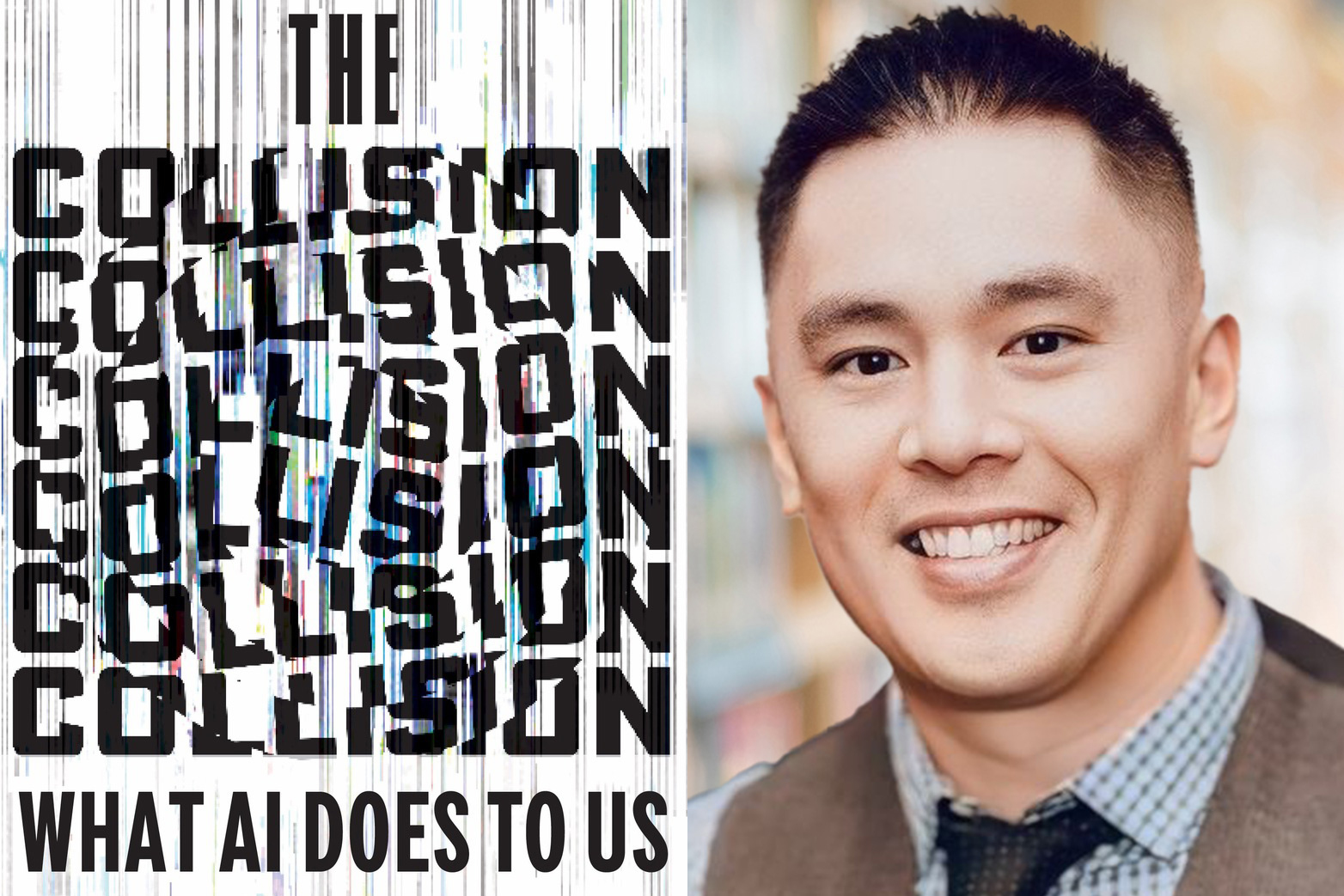
In Eric So's recent book "The Collision: What AI Does to Us," the MIT Professor delves into the effects of artificial intelligence on individuals and society. So argues that overreliance on AI can lead to cognitive atrophy, as people fail to develop essential thinking skills. He cites research indicating that when individuals engage with AI rather than wrestle with material, their learning ability suffers.
So highlights the convergence of biological instincts, social pressure, and practical challenges in driving people toward AI use. These factors create a phenomenon he calls "AI gravity" – a constant pull to rely on AI. The book also explores the impact of AI on interpersonal relationships, as models tend to be sycophantic and persuasive, affecting our ability to connect with others.
To navigate this age of AI, So suggests four principles for personal use of the technology. These include embracing the struggle, valuing one's own abilities without AI, and recognizing the potential self-fulfilling nature of dependence on AI. So emphasizes the importance of recasting cognitive struggle as a formative experience, similar to post-industrial physical exercise, to foster intentional and beneficial engagement with technology.
Written by urgent.news from MIT News Research's reporting — not their text. Machine-written — may contain errors; check the original before relying on it.