Pharma: Investoren wollten früheres Curevac-Werk kaufen – Biontech macht es lieber dicht
Interne Dokumente legen nahe: Der Impfstoff-Hersteller verhandelte monatelang über den Verkauf seiner mRNA-Labore in Tübingen – und brach dann ab. Das Millionen-Angebot hatte einen Haken.
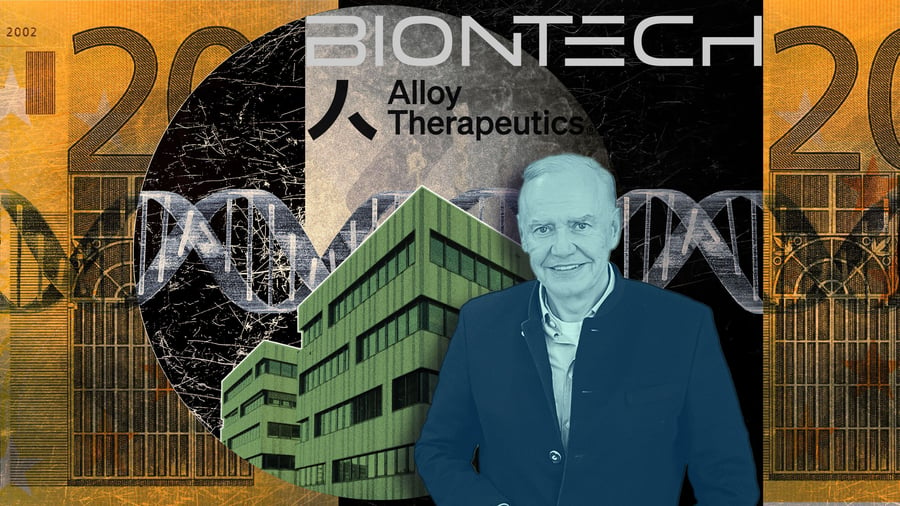
Biontech announced the closure of its Tübingen factory despite a consortium led by billionaire investor Peter Löw offering up to 20 million euros for the former Curevac site. Documents from the negotiations were obtained by the Handelsblatt. Biontech had announced the closure of its three German sites, including the mRNA research facility in Tübingen, which had been part of the Curevac company acquired by Biontech in 2025.
Extensive negotiations with serious potential buyers about the sale of this plant continued, but ultimately failed. The consortium wanted to take over the former Curevac plant. Among the investors was the Bavarian entrepreneur and property renovator Peter Löw, known as a former CEO of the listed participation company Arques Industries and his later involvement with the news agency dapd.
Löw formed a consortium with a German real estate group and an investment company. A fourth investor was the US biotech company Alloy Therapeutics, specialized in the development of biologics, particularly antibodies. The consortium created the Human Health Technologies AG to take over the plant. Detailed concepts circulated between Biontech and the consortium, including specific product categories and cost structures.
The Löw group informed insiders of the withdrawal of the offer over the phone on Friday, September 25th. The Löw group and Biontech declined to comment on the details of the negotiations. The negotiations had been ongoing between Biontech and Human Health Technologies since May, with the consortium demanding intensive conversations with Biontech's leadership, the employees' council, the dean of the University Clinic in Tübingen, the state government, and the federal ministries of research and economy.
It is said that the consortium demanded a government subsidy of around 100 million euros, which was not granted. The negotiations focused on patent rights and the concession that Alloy would not enter the oncology sector, the research and treatment of cancer. Alloy Therapeutics is affected by the Biosecure Act, a US law intended to prevent China from gaining access to sensitive data and know-how of biotech companies.
Many US biotech firms are reviewing their supply chains and seeking alternative locations, such as Europe. Alloy licenses its technology to third parties who then produce in China, with concern that such products would not be approved in the American market. The planned takeover of 500 employees from the former Curevac plant aimed to expand business in the medium term and become profitable from the third year.
By the second year, the plan was to start producing human medicines based on mRNA technology in Tübingen, the technology made Biontech famous with the COVID-19 vaccine. The first year would be bridged with products for veterinary medicine, such as vaccines for racing camels and hunting birds in the Middle East. Doubts about the consortium's business plan were not convinced by Biontech's management, who stated in a staff meeting that Human Health Technologies had no viable concept and could not demonstrate a sustainable business plan.
The potential buyer was therefore not expected to lead the company into a secure future, according to insiders. Employees told the Handelsblatt that at least there was clarity about their professional future. Biontech offered express bonuses to employees in Tübingen in addition to severance payments in the framework of a company-wide program.
All employees are leaving the company by the end of February 2027. The final offer from the consortium amounted to up to 20 million euros, but required a cash reserve of over 200 million euros. Biontech reportedly would have had to pay for the sale of the plant, while saving costs for closure and severance. A written statement from Biontech to the consortium is not available.
The decision was reportedly made unexpectedly by the consortium and met with disbelief and disappointment; the disappointment on the part of the buyers is great. In the industry, speculation arose that laboratories and know-how might move to China in the future, or that Biontech simply does not want to establish mRNA competitors in the country and serve its production capacities "on silver platters". Biontech denies such considerations, stating it has not received any Chinese investors.
Written by urgent.news from Handelsblatt's reporting — not their text. Machine-written — may contain errors; check the original before relying on it.