On Monday she sat in her cousin’s Kyiv apartment, and by Wednesday a Russian strike had left a hole where the window was
Her cousin, his girlfriend, and an aunt survived inside, and rescuers lifted them out 15 minutes after the blast.
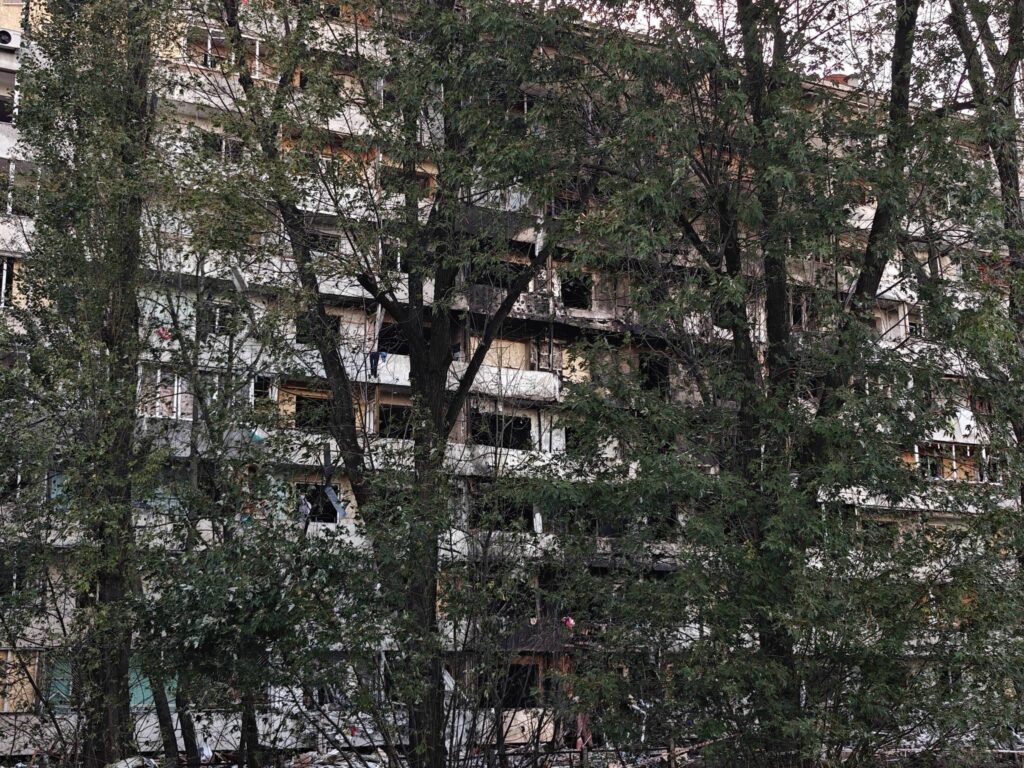
On Monday, Andrii Dubenko and his cousin Anna Danylenko were in her cousin's Kyiv apartment, reminiscing about happier times. By Wednesday, a Russian strike had destroyed a window, leaving a gaping hole in its place. The blast occurred on 13 October, during a Russian ballistic attack that targeted Kyiv's power plant, CHP-4, an announcement made by Ukrainian President Volodymyr Zelenskyy two days prior.
When the strike hit, Dubenko, his girlfriend, and a 72-year-old aunt were inside the nine-story building on Lisovyi masyv. They were rescued in a rescue basket 15 minutes later by State Emergency Service personnel. Anna later recounted the incident on Facebook, noting that the family's survival was attributed to the "rule of two walls," which advises anyone caught in a blast without immediate shelter to maintain at least two walls between themselves and the street, away from windows.
The aunt comforted the girlfriend, urging her not to dwell on the past but instead focus on the future. Among the remnants of what was once their cozy home, a porcelain fish continued to survive. This small fish, a cherished family heirloom, had been passed down through generations. Dubenko's mother had fond memories of playing with the fish during her grandmother's time, and Anna now dubbed the porcelain creature "the fish of unbreakability."
That same night, the aftermath of the strike was still palpable. Firefighters continued to battle the blaze, filling the hallway with smoke and water. As they worked, residents gathered to collect their broken possessions, tossing them out the window for safe disposal. The smell of burning permeated the air, a grim reminder of the destruction that had unfolded within the apartment building on that fateful Wednesday.
Written by urgent.news from Euromaidan Press's reporting — not their text. Machine-written — may contain errors; check the original before relying on it.