No more '6x1': Brazil's Congress approves shorter workweek
Lula pledge secured ahead of October 25 run-off; Incumbent will face Flávio Bolsonaro in battle for presidency. Leer más
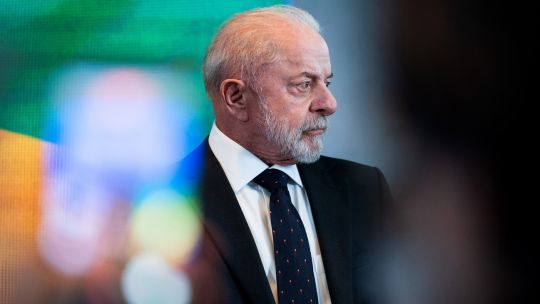
Brazil's Congress has just approved a shorter workweek, a move President Luiz Inácio Lula da Silva hopes will sway voters ahead of next week's election run-off. The government has been advocating for this change for months, aiming to give workers two additional days off each week, reducing the maximum workweek from 44 to 40 hours.
The primary focus is on Brazil's working-class population, who have traditionally supported Lula's leftist base. Currently, millions work six days a week, a schedule known as "6x1". This reduction will be implemented gradually over the next 14 months. The vote finalized the legislative process for the measure, which had already passed the Chamber of Deputies.
The constitutional reform received a resounding 75 votes in favor and only one against in the Senate. Senator Omar Aziz, who sponsored the bill, believes this is the most significant gain for Brazilian workers since the 1988 Constitution. After the vote, senators chanted in support of Lula. The measure, a demand from recent mass demonstrations backing Lula's re-election against Jair Bolsonaro, had also been supported by Senator Flávio Bolsonaro, who called the proposal "opportunistic" but ultimately voted in favor.
Lula has hailed the victory as a "breakthrough" that will endure, stating it began in the streets and stems from the aspirations of the working class. He emphasized that this was electoral opportunism by opposition lawmakers. In the upcoming run-off, the president's remarks aimed to criticize Bolsonaro for his change of heart on the issue.
However, the success of the bill hinges on the election outcome. Senator Veneziano Vital do Rego warned that the measure's relevance next year depends on a government committed to progress and social causes. While Lula has made improved working conditions a cornerstone of his campaign, Bolsonaro has proposed a plan to reduce public spending.
Written by urgent.news from Buenos Aires Times's reporting — not their text. Machine-written — may contain errors; check the original before relying on it.