New proposed bill would make video games something you own, not rent
The "Power to the Players Act" bill would direct the FTC to write rules ensuring that buying a video game translates into ownership and not a revocable license. Games that depend on online servers would also have to offer an offline mode before those servers are switched off. Rep. Ritchie... Read Entire Article
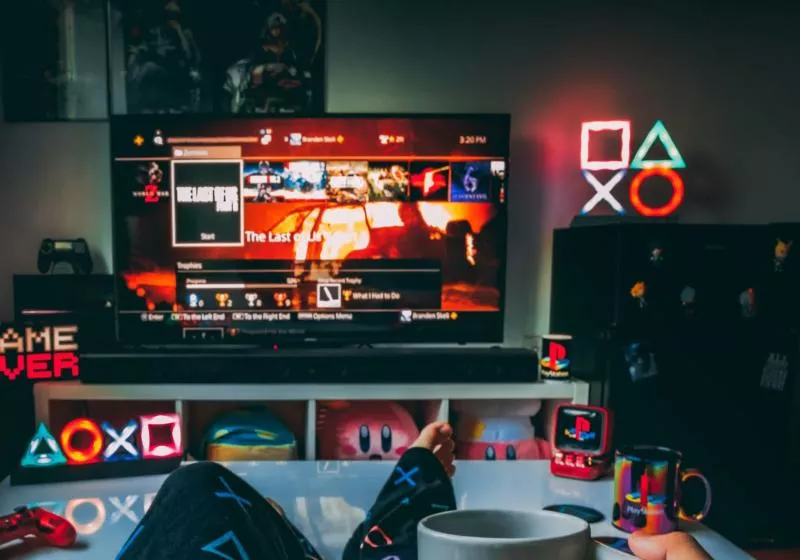
A proposed bill in Congress aims to change the way video games are bought and sold. Representative Ritchie Torres introduced the Power to the Players Act, which would direct the Federal Trade Commission (FTC) to create rules ensuring that purchasing a video game grants ownership rather than a revocable license. The bill seeks to grant three rights to gamers: to own, to play, and to transfer the games they purchase.
To illustrate the issue, Torres referenced NBA 2K25, a game that sold for $70 (or $100 for the All-Star Edition). The game's online servers are set to shut down on December 31, roughly two years after its launch. Once the servers are offline, the modes that most players purchased the game for will also disappear. Torres argued that a game that can be taken away upon a company's decision is not a true purchase, but rather a rental disguised as a sale.
The bill focuses on games rather than movies or music and hopes to set a precedent for other digital purchases. Torres hopes the bill will restore the historical norm of owning physical cartridges and discs. The proposal comes after a challenging year for the Stop Killing Games movement, which aimed to raise awareness about game shutdowns.
The movement garnered over 1.2 million signatures but faced challenges, with the European Commission settling on a voluntary code of conduct instead of legislation. Similarly, a similar California bill (AB 1921) stalled in the Senate committee.
The Power to the Players Act goes beyond the California bill by targeting the license model itself, implying a right to transfer games and suggesting a potential resale market for digital games. However, US courts have generally ruled that software sold under a license is not covered by the first-sale doctrine, which allows the resale of used discs.
Torres' bill could be more ambitious than previous attempts, but the bill's future remains uncertain, as it has not been formally introduced yet, and bills rarely reach a floor vote in Congress.
Written by urgent.news from TechSpot's reporting — not their text. Machine-written — may contain errors; check the original before relying on it.