Neuer Saft fürs E-Auto: Auto unterwegs laden: So entwirren Sie das Tarif-Wirrwarr
Gleiche Säule, gleiche Strommenge – und trotzdem zahlt einer mehr. Ob Ladekarte, Roaming oder spontanes Laden: Worauf E-Auto-Fahrer vor dem Start achten sollten.
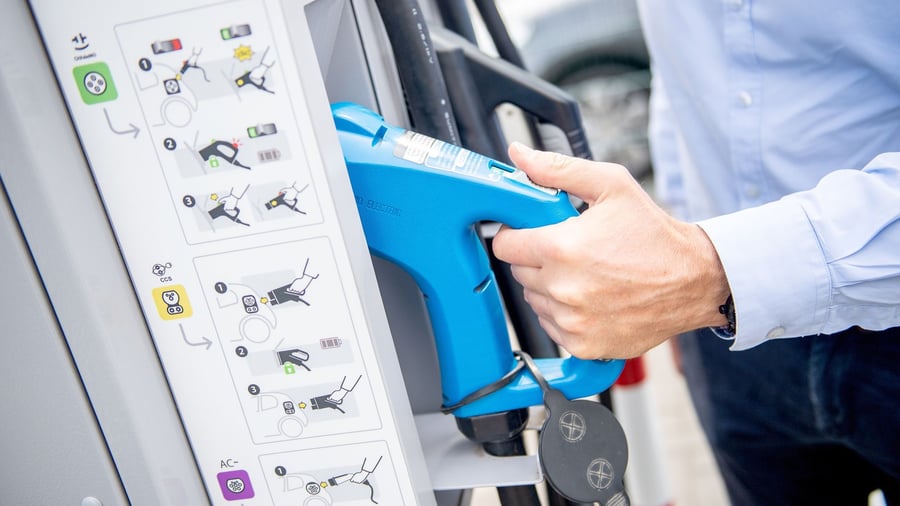
Imagine standing at a fuel pump, pumping as much as your neighbor, but paying more at the register because they receive a different price. Strange, right? Well, when it comes to electric vehicles and public charging stations, things are quite different. According to the TÜV association, the price you pay for charging can vary significantly even at a single charging station.
This is because some drivers use a charging card, while others can charge spontaneously (ad hoc) without registration. Those with a charging card are billed based on their tariff, while ad hoc charging incurs the price for spontaneous charging at that particular station. Even with a charging card, the price can differ depending on the location.
Many cards are also compatible with stations belonging to other operators. This "roaming" can make additional charging networks accessible but may be more expensive than charging within your own network. To get the best deal on public charging, those who frequently need to charge should choose their provider along their typical route.
In their app or card, they can see which stations are accessible with their card (or app) from their home or along frequently traveled roads. They can then compare prices from other operators at these stations. One-time registration for a charging tariff is usually required, but a monthly subscription may not be necessary. If the charging prices under your own usage profile are as good as they are with a subscription, a subscription might be worth it.
Those who rarely charge publicly might do well with a tariff that has no subscription fee. However, those who rarely charge at home or at work might notice small price differences over many charging sessions. In areas with different charging networks, a second tariff could be useful for added flexibility. If a driver wants to use energy without a tariff and app, they can charge ad hoc at many public stations, either with a debit or credit card or via a QR code that leads to a payment page via their smartphone.
Even those with a tariff should check both prices before charging. Spontaneous charging is often more expensive, but against the backdrop of a high roaming price with a card from a foreign provider, it might still be worth it. To keep track of what charging will cost, electric vehicle users must clearly associate the price of their tariff with the selected charging point before they start.
They should match the station's identification with the display in their app. Otherwise, they might be checking the wrong price. However, as long as all components are compatible, the charging process will start automatically with Plug & Charge once the cable is inserted. Therefore, it's essential to check which tariff is active before charging.
And for those who prefer to pay ad hoc, they should turn off the automatic start. Remember, besides the pure electricity cost, there may be starter, minute, parking, and blockage fees. After charging, make sure to match the energy amount, charging duration, and additional costs on the receipt or in the app with the conditions displayed beforehand.
Written by urgent.news from Handelsblatt's reporting — not their text. Machine-written — may contain errors; check the original before relying on it.