More to Malaysia-Egypt ties beyond religious studies
A strategic partnership between Putrajaya and Cairo yields more benefits for both countries in an increasingly complicated geopolitical environment.
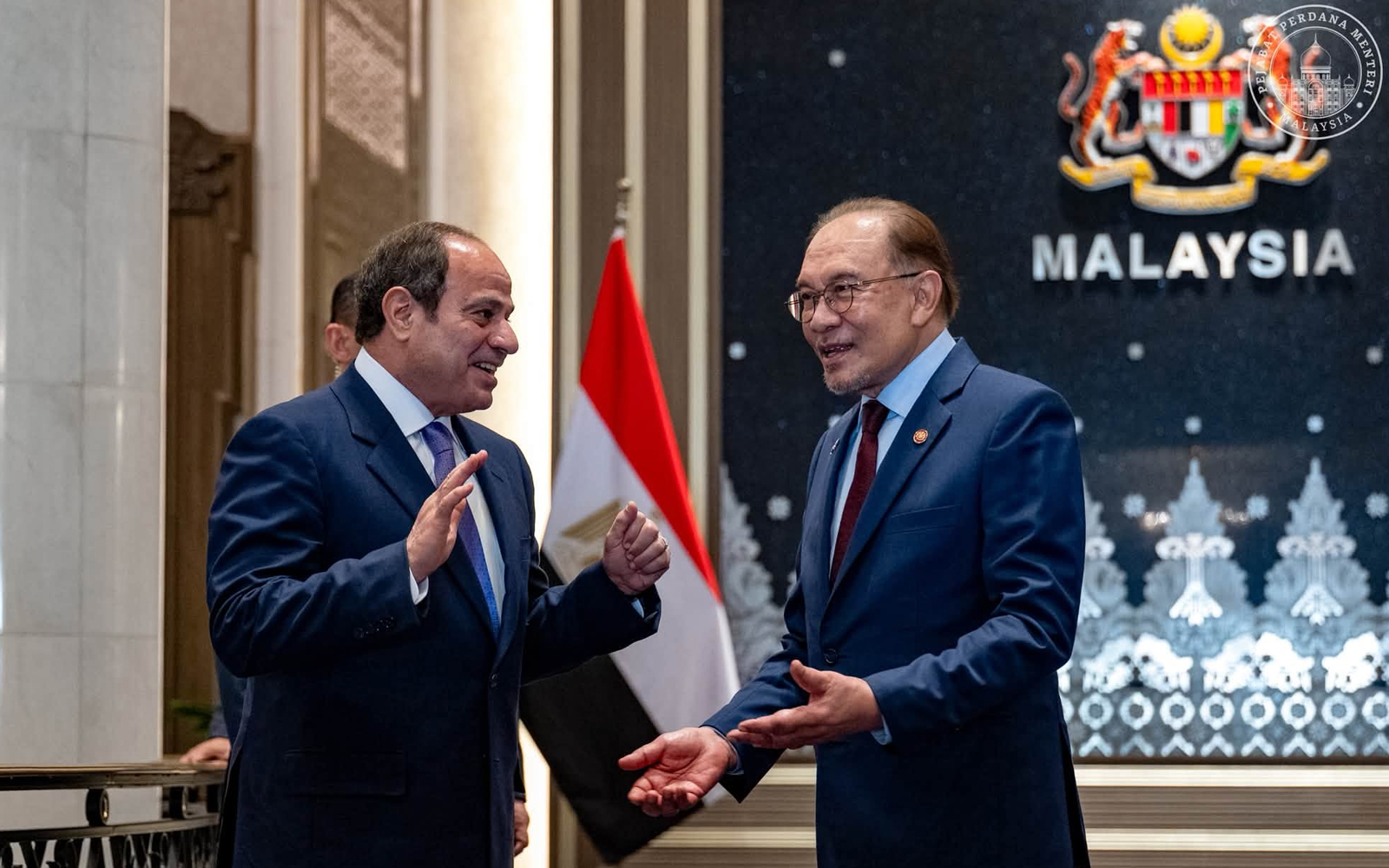
Prime Minister Anwar Ibrahim has suggested that Malaysia and Egypt should enhance their educational cooperation, extending beyond Islamic studies. This proposal is perceived as a strategic move to deepen Malaysia's geopolitical presence in the Middle East and North Africa. Egypt, often regarded as one of the nine key states within the region, possesses considerable influence and control over vital waterways such as the Suez Canal, which is crucial for international trade and security.
President Abdel Fattah El-Sisi's recent visit to Malaysia on October 10, 2026, signifies a step towards transforming their relationship into a comprehensive strategic partnership. Anwar Ibrahim's focus on various fields including engineering, medicine, electrical and electronics, artificial intelligence, and digital technology highlights the necessity of merging intellectual cooperation with economic and technological advancements in modern diplomacy.
However, while Al-Azhar University will continue to play a central role in Malaysia's religious and educational ties with Egypt, the theological education aspect should not limit their partnership. The geopolitical landscape surrounding both nations has become increasingly complex, necessitating a broader scope of collaboration.
Malaysia, being highly dependent on international trade, requires strategic depth beyond Southeast Asia. Egypt, with its strategic location at the crossroads of Africa, the Mediterranean, and the Middle East, and control over the Suez Canal, is a country that possesses unique advantages. Malaysia, with its technological expertise and industrial prowess, can complement Egypt's strengths, leading to a mutually beneficial partnership.
This strategic partnership should involve more than just educational exchanges; it should encompass joint initiatives in maritime security, supply-chain resilience, energy transportation, and regional conflict management. Establishing academic programmes focusing on these areas could provide immediate benefits. Additionally, deepening defence dialogue, particularly in maritime awareness and military training, can strengthen resilience without forming military alliances.
While Malaysia's traditional foreign policy emphasizes non-alignment and Asean centrality, a closer relationship with Egypt would align with these principles and reflect the growing Asean interest in extending its strategic scope beyond its immediate region. The proposed partnership should be evaluated based on tangible outcomes such as joint research centres, student exchanges, investment projects, and coordinated diplomatic efforts.
This approach would demonstrate genuine progress and underline the complementary strengths of both nations. Egypt offers Egypt's geographical centrality, diplomatic expertise, and access to Africa and the Arab world. In return, Malaysia contributes its technological capabilities, industrial experience, and connectivity to Southeast Asia.
Strengthening Malaysia's strategic depth in the Middle East and North Africa is no longer a luxury but a geopolitical necessity.
Written by urgent.news from Free Malaysia Today's reporting — not their text. Machine-written — may contain errors; check the original before relying on it.
Also reported by 1 other outlet
- More to Malaysia-Egypt ties beyond religious studies freemalaysiatoday.com