LEGACY OF A BOY-KING: Tutankhamun’s treasures testify to Africa’s timeless, soul-shattering artistry
An awe-inspiring visit to Cairo’s Grand Egyptian Museum shatters lifelong Eurocentric myths, uncovering the deep, unmistakably African roots and soul-shattering beauty of King Tut’s ancient treasures.
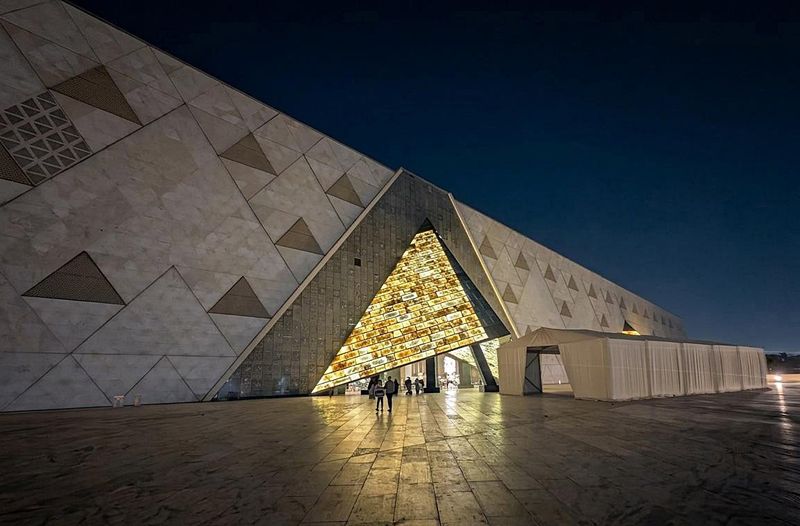
Visiting Cairo's Grand Egyptian Museum shattered lifelong Eurocentric myths, revealing the deep, unmistakably African roots and soul-shattering beauty of King Tut's ancient treasures. The museum, opened less than a year ago after numerous delays, is the world's largest museum dedicated to a single civilisation. Upon entering, visitors are greeted by a vast plaza with date palms and alabaster tiles, leading to a building with a pyramid-like triangle on its marble-and-glass facade, adorned with hieroglyphs bearing the names of Egyptian kings and queens.
Inside, the museum is a feast for the eyes, with a statue of Ramses II in the central foyer, sculptures memorialising 3,000 years of pharaonic rule, and 12 galleries of exquisite artefacts. The highlight of the museum is the Tutankhamun galleries, where all the artefacts discovered in King Tut's tomb in 1922 have been reunited. These include four giant, gilded funerary shrines inscribed with hieroglyphs, three coffins shining in gold with inlaid glass, portraying Tutankhamun as the god Osiris, and a golden chariot near a ceremonial throne.
The museum also houses exquisite objects such as jewellery, sculptures, an alabaster shrine for Tutankhamun's organs, and a funerary bed with post heads in the shape of hippos, cows, and lions. These treasures are displayed individually, making for a mesmerising experience.
Written by urgent.news from Daily Maverick's reporting — not their text. Machine-written — may contain errors; check the original before relying on it.