Learning faster with AI is making you worse at remembering
As artificial intelligence makes it easier to get the answers you want to any question, retaining knowledge is becoming a rare skill. The Ebbinghaus forgetting curve (introduced by psychologist Hermann Ebbinghaus in 1885) proves that we lose most of what we learn over time if we don’t reinforce it or put it into practice. People are not interested in retention. They may be thinking, Who cares if…
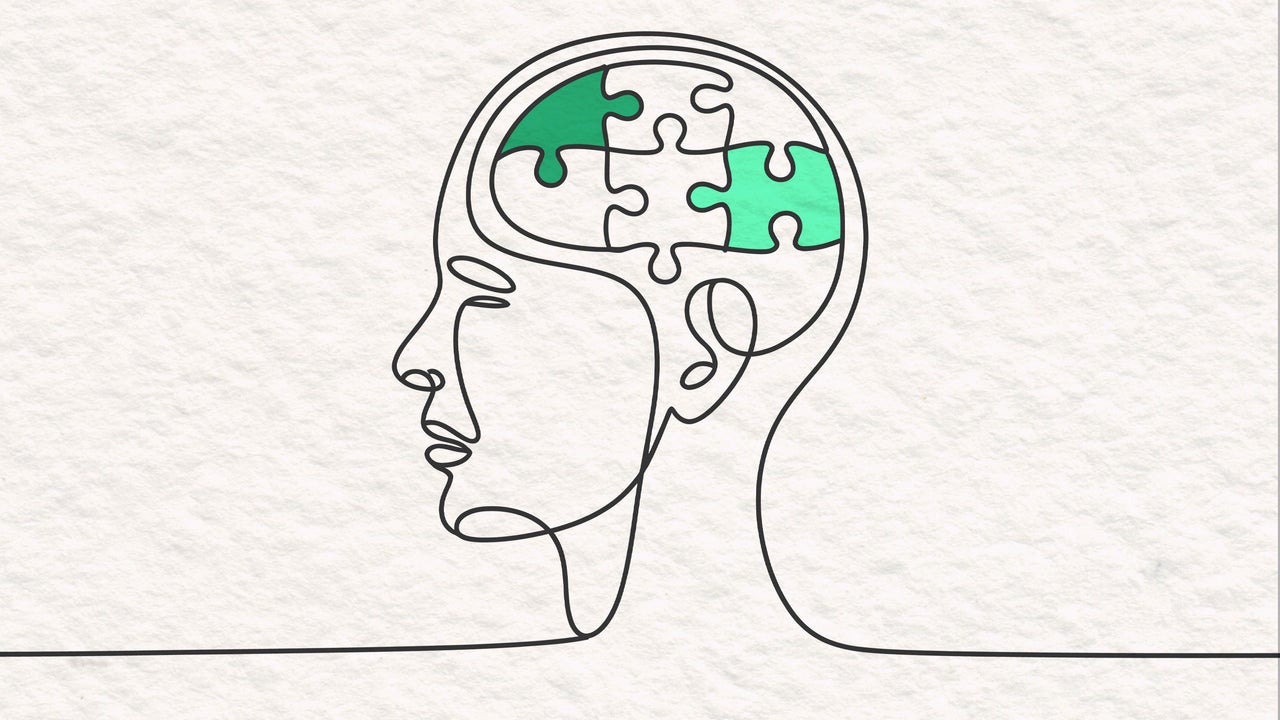
Artificial intelligence has made it easier to find answers to any question, but this convenience comes at a cost. The process of retaining knowledge is becoming increasingly rare. Psychologist Hermann Ebbinghaus discovered that we lose most of what we learn over time if we don't reinforce it or apply it. People may not care about retention, but they are losing valuable thinking capacity without realizing it.
Ebbinghaus' forgetting curve is steep and unforgiving, especially when no effort is made to remember or recall information.
Reading, highlighting, and rereading information may feel productive in the short term, but most of the information is gone by the next day. Relying solely on AI tools to do our thinking for us can make the forgetting process even worse. The brain keeps information it has worked hard to retain, so actively recalling and practicing the material is crucial for retention.
Active recall and spaced repetition are two proven learning techniques that work better than other methods. After learning something new, try retrieving it from memory. These techniques have been studied for years and outperform other learning methods. You can apply them even if you don't need the knowledge for tests. Doing so has brain benefits, strengthening memory recall for other things.
Simply closing a book and trying to explain the ideas to yourself on paper is a good start. Making these learning techniques a habit, even with a failed recall attempt, can improve retention.
Another method to improve knowledge retention is the Feynman Technique, named after physicist Richard Feynman. Pick a concept and write it down as if you're teaching someone who knows nothing. When you get stuck, go back to the source. This process forces you to identify what you don't know and can improve clarity of thought. However, spaced repetition is still necessary for long-term retention.
Combining the Feynman Technique with spaced repetition can create an effective learning process. Teach what you've learned to someone else, then test yourself on it the next day and week. This process keeps your brain engaged in the learning process, treating the knowledge with the seriousness it deserves. While AI can provide quick answers, it's easier and more dangerous at the same time.
It can lead to cognitive offloading, where you rely on AI for thinking and miss the mental struggle that builds knowledge retention. Always verify the information provided by AI tools with the source to ensure accuracy.
Written by urgent.news from Fast Company's reporting — not their text. Machine-written — may contain errors; check the original before relying on it.