Korea's favorite budget meal passes safety check but falls short on nutrition
In the fluorescent-lit aisles of Korea’s ubiquitous convenience stores, the humble "gimbap," or seaweed rice roll, has long served as a lifeline for cash-strapped students, busy office workers and night-shift commuters. Priced between 2,800 and 3,600 won ($2 to $3), these tightly wrapped cylinders of rice, seaweed and various fillings offer an unbeatable combination of speed and affordability.…
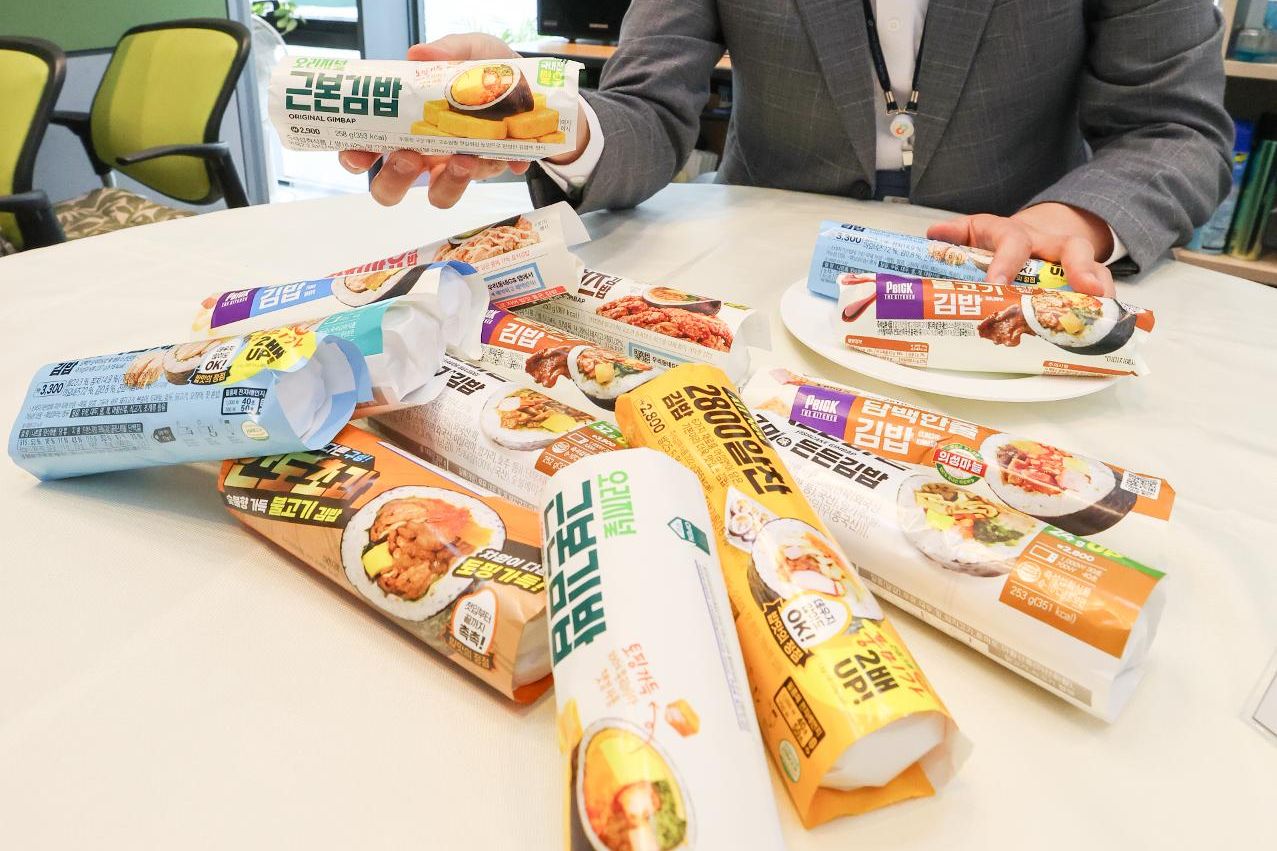
In Korea's convenient stores, the inexpensive seaweed rice rolls known as gimbap remain a go-to choice for those on a tight budget. Costing between 2,800 and 3,600 won ($2 to $3), these compact sushi-like parcels provide quick and cheap sustenance for students, office workers, and commuters. However, a recent consumer watchdog report has uncovered a downside to this convenient meal option.
As rising inflation forces more people away from restaurants and towards grab-and-go counters, the Korea Consumer Agency has released a quality and safety evaluation of popular gimbap lines from major chains like GS25, CU, 7Eleven, and Emart24. While these products successfully pass rigorous food safety standards, lacking harmful heavy metals, bacteria, and excess preservatives, they still fall short in the nutrition department.
The report reveals that these budget-friendly gimbap options offer a dietary imbalance, lacking the balance needed for optimal health.
Written by urgent.news from The Korea Times's reporting — not their text. Machine-written — may contain errors; check the original before relying on it.
This story
This is one outlet's version. Read the fullest account.