Kadi vs. neem patta: Dietician explains which herb is a better addition to your diet
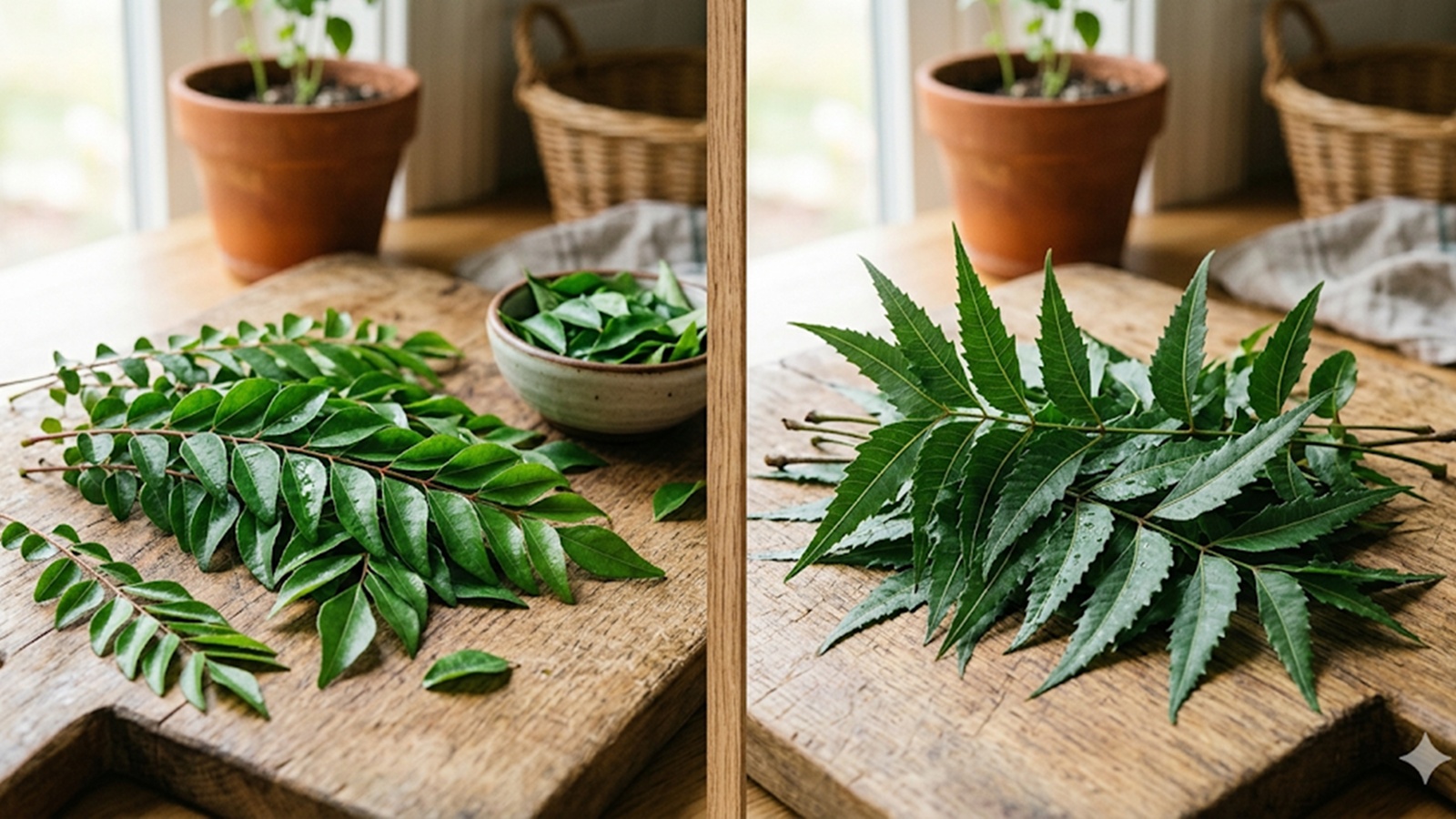
Curry leaves and neem leaves are both commonly used herbs in Indian cuisine and traditional medicine. Curry leaves, obtained from Murraya koenigii, are known for their aromatic properties and are often used in dals, chutneys, and tempering. Neem leaves, derived from Azadirachta indica, have a strong, bitter taste and are associated with wellness practices, consumed in small amounts.
Nutritional expert Kanikka Malhotra, a consultant dietician and diabetes educator, explains that curry leaves are high in antioxidants, including vitamins A, B, C, E, and beta-carotene. They aid digestion by stimulating enzymes, regulate blood sugar through improved insulin sensitivity, lower bad cholesterol, and promote hair growth.
Neem leaves, on the other hand, contain over 140 bioactive compounds such as nimbin, azadirachtin, and quercetin. These provide potent antibacterial, antiviral, antifungal, and anti-inflammatory effects, detoxify the blood, boost immunity, heal skin infections, and reduce fever.
While both herbs contribute to oxidative stress reduction and support organ health, they serve different purposes. Curry leaves gently enhance metabolic health and nutrient absorption for daily wellness, while neem's bitter taste targets acute issues like pathogens and inflammation. However, neem may slightly suppress appetite or cool digestion if consumed excessively.
Malhotra recommends safely incorporating curry leaves and neem leaves into a daily diet. For curry leaves, 8-12 fresh leaves can be consumed daily in various ways, such as chewing on an empty stomach, tempering dishes, or boiling as tea. Neem leaves should be consumed in moderation, either by chewing 4-8 tender leaves in the morning (spitting out the pulp) or by taking 10-20ml of fresh juice diluted in water. Both herbs should be used for 3-4 week cycles, with dry-roasted or powdered versions for storage.
Precautions include starting with a low dosage to test tolerance, as curry leaves can lower blood sugar and may interact with statins. Neem leaves may cause gastric upset, low blood pressure, or affect autoimmune issues. It is essential to rinse neem leaves well to remove pesticides, increase water intake, and pair with ghee or honey to balance the bitterness. Regular blood work is advised to monitor any potential impacts.
Written by urgent.news from The Indian Express - Lifestyle's reporting — not their text. Machine-written — may contain errors; check the original before relying on it.
This story
This is one outlet's version. Read the fullest account.