JPMorgan Chase blocks outside AI agents, limiting what Muse can do for users
JPMorgan Chase blocks outside AI agents like Muse from moving money or paying bills. This follows Amazon's decision to block Muse.
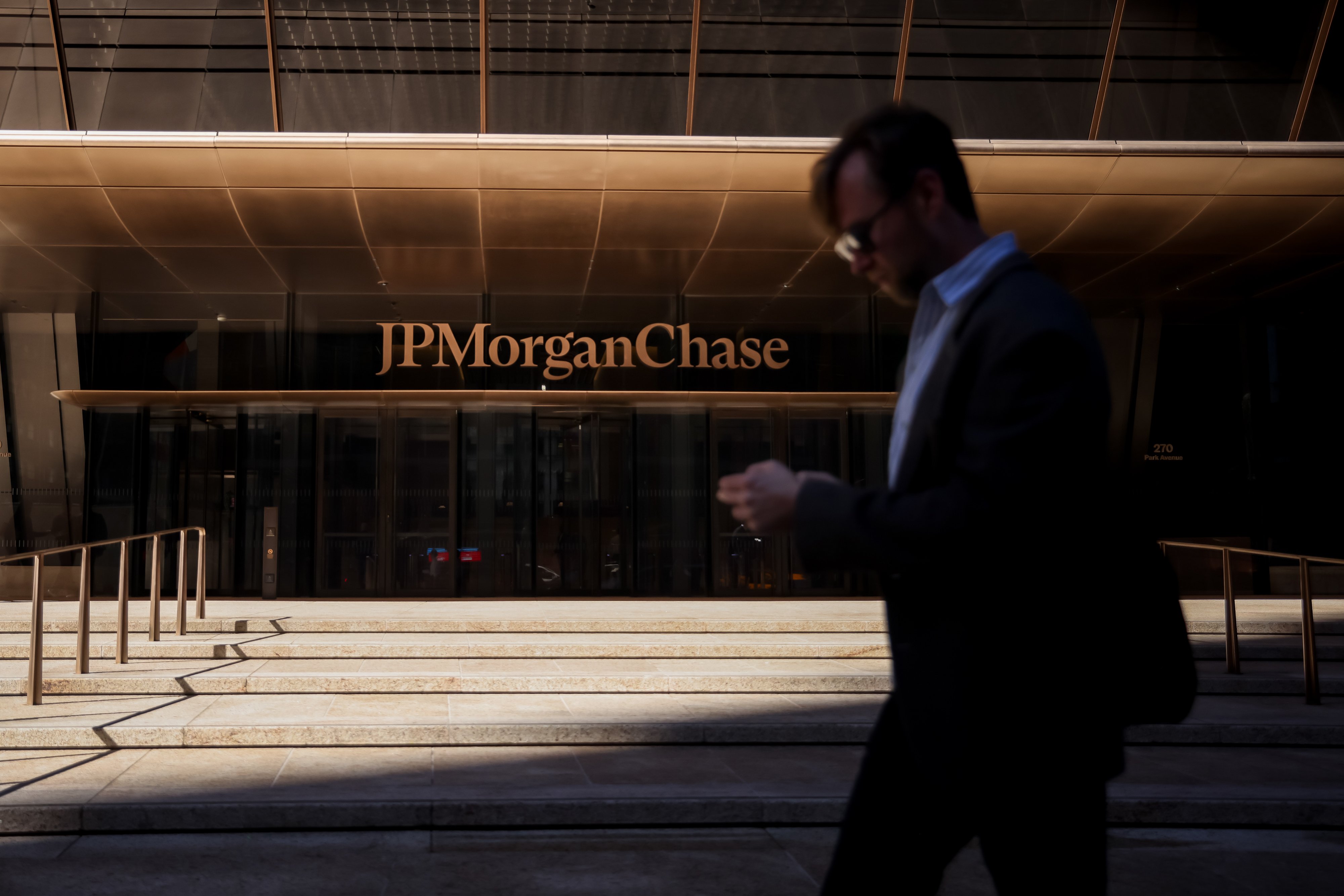
JPMorgan Chase is restricting outside AI agents like Meta's Muse from accessing customers' bank accounts, CNBC reported. This move follows Amazon's recent decision to block Muse from shopping on its site, limiting the capabilities of one potential all-in-one assistant. JPMorgan Chase CEO Jamie Dimon cautioned during the Oct. 13 earnings call about thousands of rogue agents that could pose risks to clients and the bank.
The focus is on preventing unauthorized access to customers' accounts. Chase's spokesperson confirmed that third parties can't obtain customers' banking credentials or log into accounts on their behalf. Users can still get assistant help with understanding their finances, but moving money or paying bills remains a task that requires direct user involvement.
The same restriction applies to bill payments requiring logging into Chase accounts. While Amazon and Chase are restricting outside AI agents, they are simultaneously developing their own tools, such as Amazon's Buy for Me shopping agent and JPMorgan's Smart Cash, which forecasts cash flow and moves funds. This situation may leave users uncertain about what tasks Meta's Muse can actually complete, with the assistant still requiring human assistance for many financial tasks.
Written by urgent.news from Mashable's reporting — not their text. Machine-written — may contain errors; check the original before relying on it.