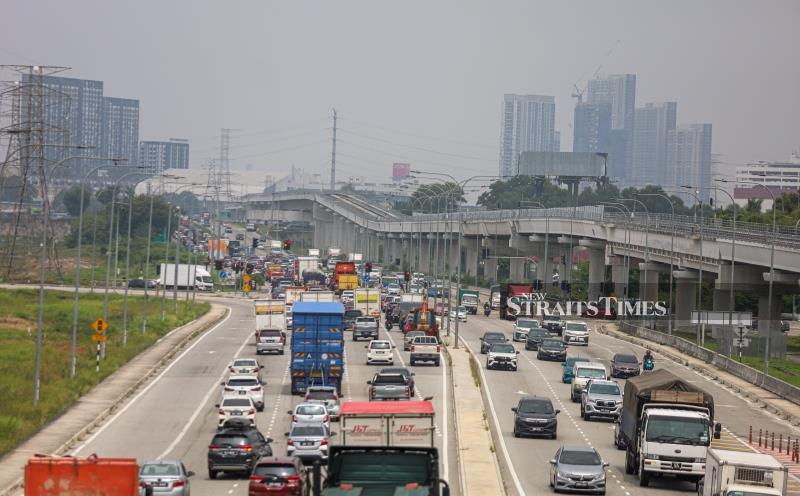
It’s time for action to catch up with data — Chandra Mohan Sinnandavar
OCTOBER 15 — Over the years, I have spent enough money replacing mobile phones that, looking back, I could probabl...
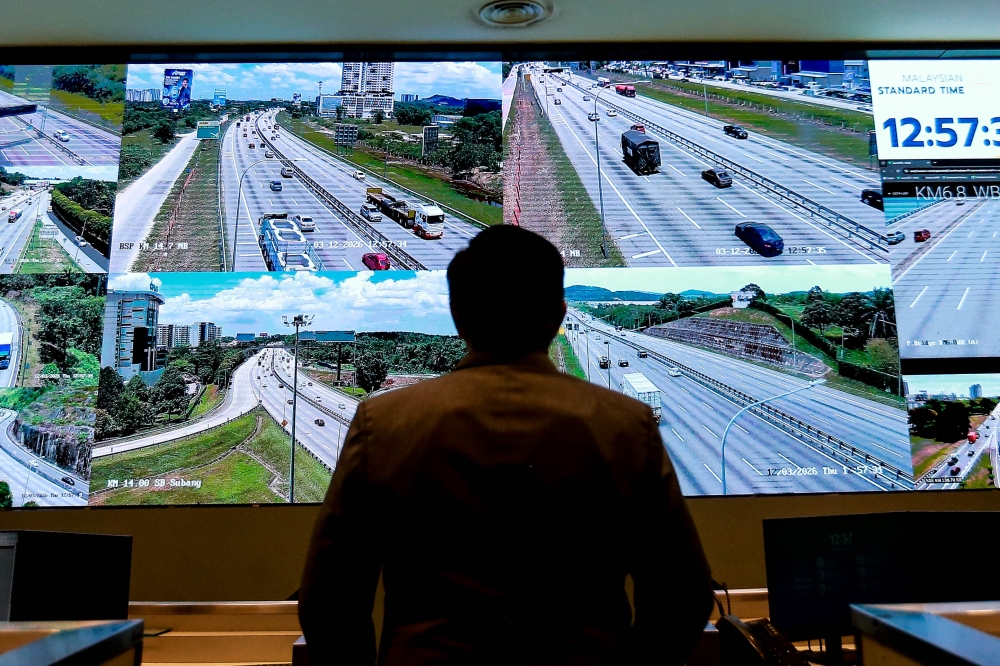
In a recent editorial, Chandra Mohan Sinnandavar argues that the government's latest policy announcement concerning telematics systems in commercial vehicles may prove to be a costly distraction. Sinnandavar questions the effectiveness of mandating such technology without demonstrating that existing systems are being adequately utilized and analyzed.
The author points out that modern GPS monitoring systems already capture vehicle speed, location, and potentially unsafe driving patterns, including harsh braking and rapid acceleration. However, there is a lack of evidence showing how effectively this information has been used to address driver safety risks. Sinnandavar asks how many speeding alerts have resulted in corrective action, how many repeat offenders have been identified, and what improvements in driving behavior have been achieved.
Sinnandavar suggests that the government should first demonstrate the effectiveness of current GPS data analysis before introducing more sophisticated telematics systems. He argues that simply mandating additional technological features will not necessarily improve road safety unless authorities can effectively utilize existing data to identify and rectify unsafe driving behavior.
The author warns that investing in advanced telematics systems without first addressing compliance with existing GPS monitoring may lead to wasted resources and the same enforcement issues.
The editorial emphasizes that the real challenge lies in identifying drivers who fail to comply with safety requirements and taking corrective action. Sinnandavar contends that the focus should be on enforcing basic compliance with existing GPS systems before introducing more advanced telematics technology. He argues that purchasing a more sophisticated phone does not guarantee that its owner will become smarter, and similarly, more advanced telematics systems do not automatically make non-compliant operators safer.
Sinnandavar suggests that the Ministry of Transport (MOT) should first prove that existing GPS devices are being installed, functioning properly, and are being monitored effectively. Only after demonstrating success in leveraging existing data can the government justify additional investments in more sophisticated technology. The author concludes that buying a more advanced phone does not inherently make its owner any safer, and the same principle applies to managing road safety.
Written by urgent.news from Malay Mail's reporting — not their text. Machine-written — may contain errors; check the original before relying on it.