Inside the Kenyan manufacturer betting on Africa’s industrial future
In a central Nairobi factory, a steady stream of household, hair and skincare products rolls off the production line. HACO Industries makes around 90 products designed for African consumers. Its brands reach more than 3 million families across the continent, while raw materials are sourced from more than 500 farmers in Africa. For Mary-Ann Musangi, … The post Inside the Kenyan manufacturer…
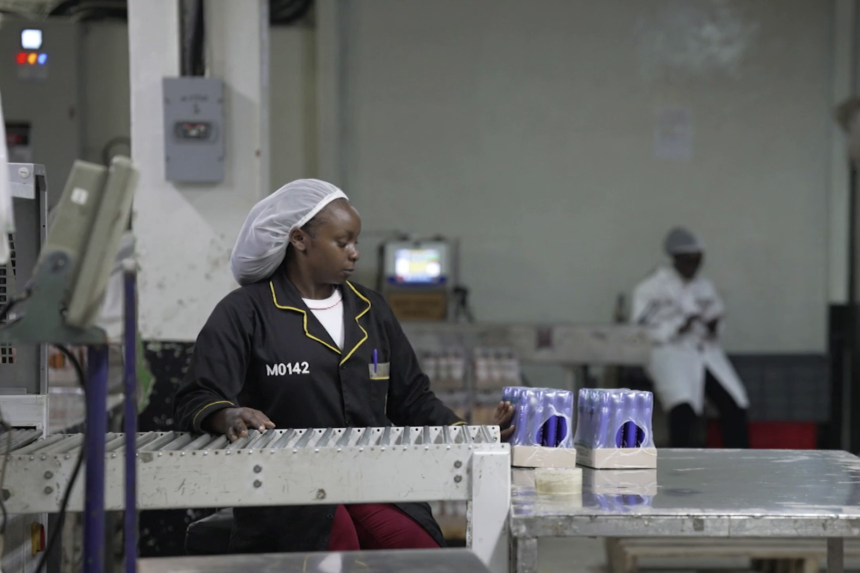
HACO Industries, a Kenyan manufacturer, is betting on Africa's industrial future by producing household, hair, and skincare products tailored for African consumers. The company currently exports to eight African countries and has a presence in Kenya, Uganda, Rwanda, the Democratic Republic of Congo, and Zambia. HACO's plastics plant can produce 5 million components per month, while another plant processes and packs 1,365 metric tons of products monthly.
The company aims to strengthen its supply chain by sourcing more raw materials within Africa, with shea butter now being imported from Uganda or Ghana at a lower cost. HACO plans to automate more operations, quadrupling its current production rate to around 12,000 items per hour. To support its goal of exporting to 30 African countries by 2030, HACO will establish five regional hubs across the continent, beginning with Ghana as its West African manufacturing base.
Collaborating with local companies is crucial for expansion, as Africa's fragmentation in terms of countries, boundaries, taxation laws, policies, culture, language, and currency makes partnerships essential. HACO's decision to manufacture in Africa is seen as a vital route to economic growth and job creation, with the company's founder, Mary-Ann Musangi, emphasizing the importance of retaining value generated by raw materials in Africa.
Written by urgent.news from Egypt Independent's reporting — not their text. Machine-written — may contain errors; check the original before relying on it.