Indonesia fights fire with dry ice as toxic haze spreads across region
Having tried cloud seeding and water bombing, one pilot project will see dry ice dispersed by plane across the province of South Sumatra As fires ravage Indonesia, emitting a toxic smoke that has drawn the ire of regional neighbours, the government is testing an unusual new approach to tackle the haze: dry ice. Having tried cloud seeding, water bombing and sending in army personnel to fight the…
Indonesia is testing an unusual new method to combat toxic haze spreading across the region: dropping dry ice on the province of South Sumatra. After trying cloud seeding, water bombing, and sending in army personnel, coordinating security minister Dudung Abdurachman said the president has directly instructed the trial of dispersing dry ice to help tackle the haze in South Sumatra.
The government expects to observe the results before considering a wider implementation of this method. Indonesia has been battling its worst fire season in over a decade, with nearly 900,000 hectares burned since January due to the "godzilla" El-Nino and the persistent practice of "slash and burn" farming, particularly for crops like palm oil.
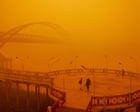
Millions of Indonesians have suffered respiratory illnesses from the thick smoke and apocalyptic tangerine haze, while neighboring countries including Singapore, Malaysia, and the Philippines have also been affected. In a move to address the crisis, the Indonesian government plans to drop 1.5 tons of dry ice over the city of Palembang on Thursday, aiming to improve air quality and visibility.
However, experts caution that while dry ice might offer temporary local relief, it is not a definitive solution to the pervasive issue. Indonesia's president has ordered intensified firefighting efforts and called for a crackdown on suspected fire starters, but the government has struggled to contain the blazes, which have particularly ravaged peatland areas that burn slowly underground.
The Indonesian government faces criticism over its response, including a class action lawsuit accusing it of "gross negligence." The haze has forced schools to close, flights to be grounded, and has placed Singapore among the world's most polluted cities, prompting the city-state to provide subsidies for haze-related medical treatment and distribute N95 masks to eligible residents.
Written by urgent.news from The Guardian's reporting — not their text. Machine-written — may contain errors; check the original before relying on it.